
Beautiful Plants For Your Interior
Beautiful Plants For Your Interior
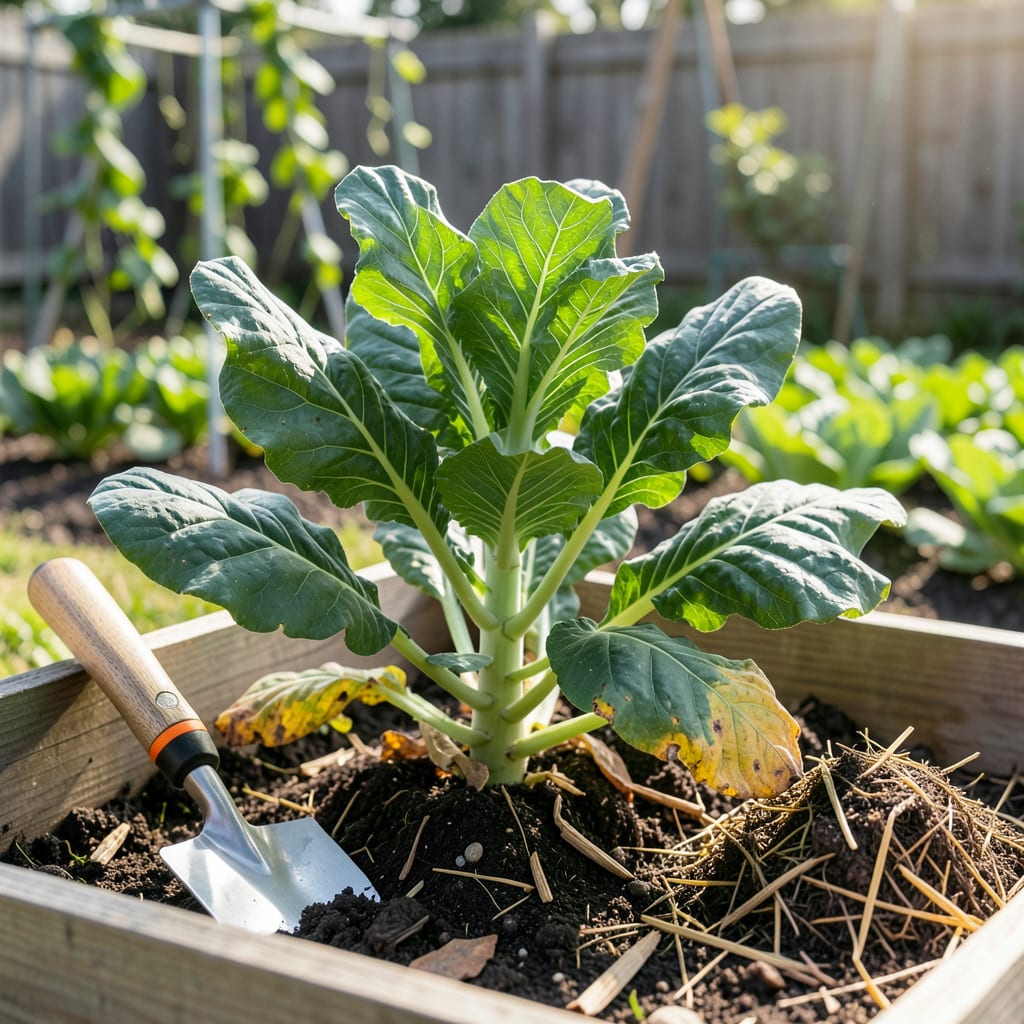
If you’ve ever bitten into bitter, tough collards, chances are the timing was off. In Zone 7, that sweet spot between frost and heat makes all the difference—plant too early and you’ll battle stunted growth, too late and summer turns your greens into chewy disappointment.
I’ve spent seasons fine-tuning the perfect windows for spring’s tender leaves and fall’s heavy harvests. Whether you’re sowing seeds or setting transplants, we’ll nail down the exact dates—plus the pro tricks to stretch your season. No more guessing games, just crisp, flavorful collards when you want them.
If you’re growing collard greens in Zone 7, timing your planting is the secret to plentiful harvests. This region’s mild winters and hot summers create two perfect windows: early spring and late summer. I’ve found that nailing these dates means sweeter leaves and longer production. 🌱
Zone 7’s last frost date (around April 15) and first frost (near November 1) are your guideposts. For spring, aim to plant 4–6 weeks before the last frost. Fall plantings should go in 8–10 weeks before the first frost to establish roots before winter.
| Season | Planting Window | Method | Notes |
|---|---|---|---|
| Early Spring | March 1–April 1 | Direct sow or transplant | Soil temp 40°F+; use row covers if frost threatens. |
| Late Summer | August 15–September 15 | Direct sow preferred | Avoid heat stress; mulch to retain moisture. |
| Fall Extension | October (succession) | Transplant only | Use cold-hardy varieties like ‘Champion’. |
Pro Tip: For spring, start seeds indoors 6–8 weeks before transplanting to get a head start!
For spring collards, I recommend planting as soon as the soil is workable—usually late February to early March for Zone 7. These cool-season greens thrive in 50–75°F temperatures. If you’re direct sowing, scatter seeds ¼-inch deep and thin to 18 inches apart once sprouted. ☀️
Fall plantings are my favorite because collards sweetened by light frost are unbeatable. Start seeds in late July to early August indoors, then transplant outside by mid-August. This gives plants time to mature before temperatures drop. A thick mulch layer helps protect roots from early freezes.
Watch your microclimate—urban areas in Zone 7 often run 5–10°F warmer than rural spots. If you’re in a city, you might plant 1–2 weeks earlier in spring or delay fall planting slightly. I use a soil thermometer to confirm temps are above 40°F before sowing. 🌡️
Succession planting extends your harvest. For spring, sow a new batch every 2–3 weeks until early May. In fall, plant a final round by early September to ensure mature leaves before hard freezes. Collards can survive down to 15°F, but growth slows below 25°F.
If you’re short on space, collards grow well in containers (minimum 12-inch depth). Use a well-draining potting mix and keep soil moist. Container-grown collards may need more frequent watering, especially in summer. I’ve had great luck with ‘Georgia Southern’ in pots—it’s compact but productive. 🪴
Remember, soil prep matters as much as timing. Before planting, work in 2–3 inches of compost and ensure a pH of 6.0–6.8. Collards are heavy feeders, so I mix in a balanced fertilizer (like 10-10-10) at planting. Side-dress with nitrogen-rich amendments every 4–6 weeks for lush growth. ✂️
Pests like cabbage worms and aphids love collards. In Zone 7, I use floating row covers in spring to deter pests while letting in light. For fall plantings, neem oil sprays every 10–14 days keep infestations in check without harming pollinators. 💧
Even with perfect timing, small errors can derail your collard harvest in Zone 7. I’ve seen gardeners struggle with stunted plants or bolted greens—usually from avoidable missteps. Let’s tackle the top 5 mistakes that sabotage success, so you can grow robust, flavorful collards every season. ✂️
First up: ignoring soil pH. Collards thrive in slightly acidic soil (6.0–6.8). If your soil is too alkaline, leaves turn yellow and growth slows. I always test my soil with a simple pH kit before planting. Amend with sulfur or compost to adjust levels if needed. 🌱
Quick Fix: Mark your calendar with April 15 (last frost) and November 1 (first frost) to guide all plantings!
Another common issue: misjudging fall planting. Many gardeners wait until September, but collards need 60–75 days to mature. In Zone 7, that means seeding by mid-August or transplanting by early September. I use a planting calculator to count backward from our November 1 frost date. ☀️
Overcrowding seedlings is a silent yield-killer. When collards compete for space, leaves stay small and pests move in. Thin seedlings to 18 inches apart once they have 2–3 true leaves. If you hate thinning, plant seeds in small clusters and snip extras with scissors. 🪴
Don’t forget watering consistency. Collards need 1–1.5 inches of water weekly, especially in Zone 7’s dry spells. Inconsistent moisture leads to tough, bitter leaves. I water deeply 2–3 times per week in summer, using drip irrigation to keep foliage dry and prevent disease. 💧
Finally, pest neglect can wipe out a crop overnight. Cabbage worms and aphids adore collards. In spring, I cover seedlings with floating row covers until they’re established. For fall plantings, weekly neem oil sprays keep pests at bay. Handpick worms daily if you spot them—they blend in perfectly with the leaves!
One bonus tip: skip the fertilizer overload. While collards are heavy feeders, too much nitrogen causes leafy but weak growth. I side-dress with compost tea every 4–6 weeks instead of synthetic fertilizers. This keeps plants productive without burning roots or attracting pests. 🌿
Not all collards thrive equally in Zone 7’s swing between humid summers and chilly winters. After testing dozens of varieties, I’ve narrowed it down to the top performers that handle our heat spikes and light frosts like champs. The right cultivar can mean the difference between bolted bitterness and months of tender harvests. 🌱
For spring plantings, you’ll want varieties that resist bolting when temperatures climb. ‘Georgia Southern’ is my go-to—it stays sweet even in 80°F heat and produces massive, blue-green leaves. If you’re planting in containers, try ‘Top Bunch’, a compact heirloom that maxes out at 18 inches tall but delivers heavy yields.
| Variety | Best For | Heat Tolerance | Cold Hardiness | Days to Harvest |
|---|---|---|---|---|
| Georgia Southern | Spring/Fall | ⭐⭐⭐⭐⭐ | ⭐⭐⭐⭐ | 75–85 days |
| Champion | Fall/Winter | ⭐⭐⭐⭐ | ⭐⭐⭐⭐⭐ | 60–75 days |
| Top Bunch | Containers | ⭐⭐⭐⭐ | ⭐⭐⭐⭐ | 55–65 days |
| Vates | Cold Frames | ⭐⭐⭐ | ⭐⭐⭐⭐⭐ | 70–80 days |
Zone 7 Tip: For fall plantings, prioritize cold-hardy varieties like ‘Champion’ or ‘Vates’—they’ll survive teens (°F) and taste sweeter after frost!
For fall and winter, ‘Champion’ is unbeatable. It laughs at 20°F temps and keeps producing through Zone 7’s mild winters. I’ve harvested ‘Champion’ leaves in December after light snow—talk about a tough green! If you’re growing in cold frames, ‘Vates’ is another winner, with dark blue-green leaves that stay tender even in freezing temps. ☀️
Hybrid vs. heirloom? In Zone 7, I lean toward heirlooms like ‘Georgia Southern’ for flavor, but hybrids like ‘Flash’ (a fast-growing variety) are great for succession planting. ‘Flash’ goes from seed to harvest in just 55 days, perfect for sneaking in a late fall crop. Just watch for cabbage loopers—they love hybrids!
If disease resistance is a priority, ‘Tiger’ is a hybrid worth trying. It resists downy mildew, a common issue in Zone 7’s humid falls. I plant ‘Tiger’ in partial shade during summer’s peak to avoid bolting, then move it to full sun in September. Its savoyed leaves hold up better in rain than smooth-leaf varieties. 💧
Pro tip: Save seeds from your best-performing plants! Collards cross-pollinate easily, so if you grow only one variety (or bag the flowers), you can develop a Zone 7-adapted strain over time. I’ve had luck with saved ‘Georgia Southern’ seeds—each year, they seem to handle our climate a little better. 🪴
Summer planting isn’t ideal for collards in Zone 7. They thrive in 50–75°F and struggle when temperatures exceed 80°F. For summer harvests, focus on heat-tolerant varieties like ‘Georgia Southern’ and provide afternoon shade.
In Zone 7, plant collards no later than early September for fall harvests. They need 60–75 days to mature before the first frost (around November 1). Use row covers to extend the season if needed.
Both methods work! For spring, start seeds indoors 6–8 weeks before the last frost (around April 15). For fall, direct sow in late July to early August. Indoor starts give a head start, while direct sowing reduces transplant shock.
Use floating row covers in spring to deter cabbage worms and aphids. For fall plantings, apply neem oil every 10–14 days. Handpick pests daily—they blend in with the leaves! Companion planting with herbs like thyme can also help.
