
Beautiful Plants For Your Interior
Beautiful Plants For Your Interior
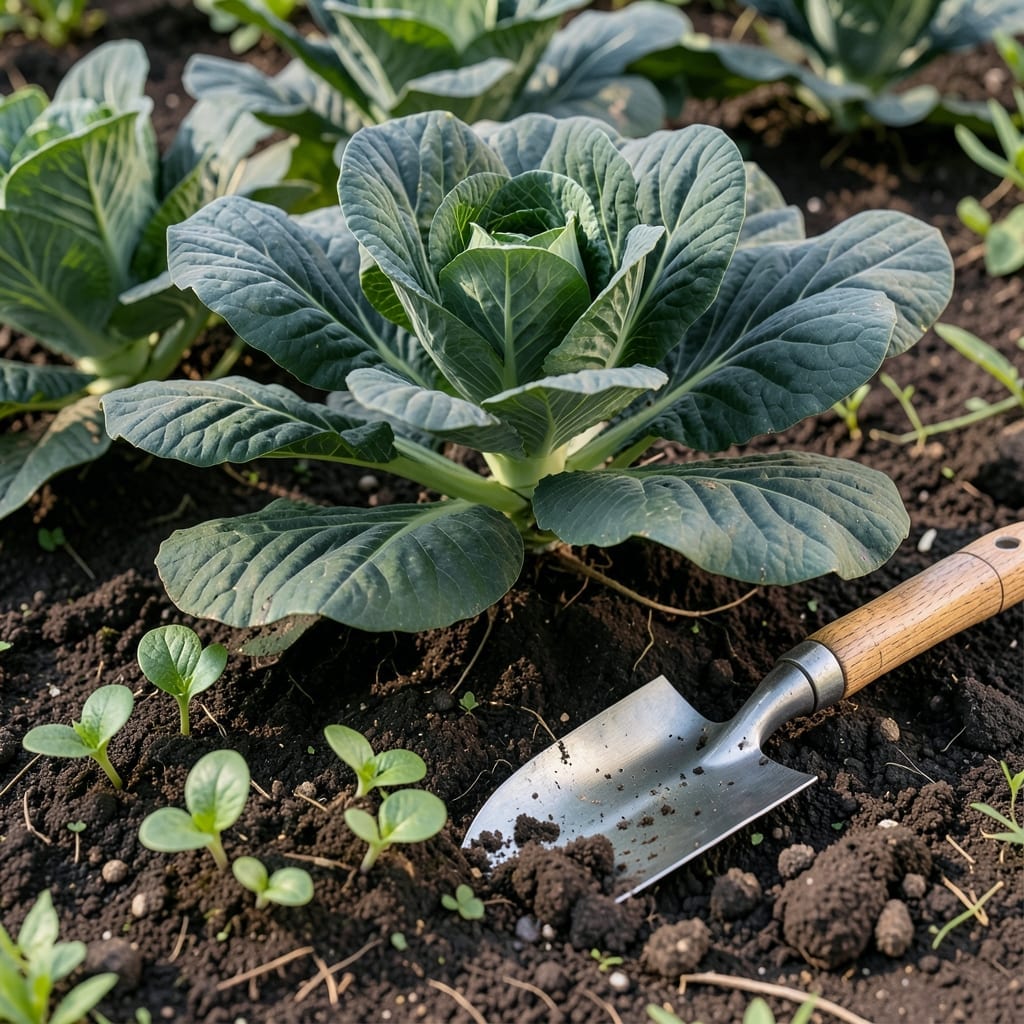
Timing is everything when planting Collards in South Carolina—plant too early or too late, and you risk bitter greens or stunted growth.
I’ve learned the hard way that 8a-8b climates demand precision. The difference between a thriving harvest and a disappointing one often comes down to just a few weeks.
Whether you’re a seasoned gardener or just starting out, knowing the perfect windows for Collards can transform your yield. Let me share what works best in our unique climate.
From frost dates to soil temps, I’ll break down exactly when to get those Collards in the ground for sweet, tender results every time.
Getting collards planted at the right time in South Carolina means the difference between a bitter harvest and sweet, tender greens. Our state’s USDA zones 8a-8b offer two prime windows for this cool-weather crop.
I’ve found that fall planting from mid-August to September produces the most flavorful collards, as they mature in cooling temperatures. A spring crop can also thrive when started in late February to March for an early summer harvest.
| Season | Planting Window | Harvest Window | Key Consideration |
|---|---|---|---|
| Fall | Mid-August to September | October to December | Plant 6-8 weeks before first frost |
| Spring | Late February to March | April to May | Avoid late planting to prevent bolting |
| Regional | Varies by zone | Varies by zone | Coastal: earlier, Upstate: later |
The Coastal Plains region can start 2 weeks earlier than the Upstate due to milder temperatures. I always check the soil temperature—collards germinate best at 60-75°F and grow best at 60-65°F.
In the Piedmont region, where I do most of my gardening, I aim to direct sow seeds by late August for fall collards. This gives them time to establish before the first frost around November 15 in most areas.
For spring planting, I wait until soil temperatures reach at least 40°F. Starting too early in cold soil leads to poor germination and weak seedlings. A soil thermometer is my best tool for precision.
Collards are frost tolerant, often sweeter after a light freeze. However, hard freezes below 20°F can damage plants. I use row covers to extend the season when temperatures dip.
In the Upstate, where frost comes earlier, I adjust my fall planting to early August. The higher elevation means cooler nights, so plants mature more slowly but develop exceptional flavor.
For both seasons, I prepare the garden bed with compost and ensure good drainage. Collards prefer fertile soil with a pH of 6.0-7.0 for optimal growth and sweetness.
Remember that succession planting every 2-3 weeks can extend your harvest. I’ve had great success with this method, ensuring a continuous supply of fresh greens throughout the season.
By following these timing guidelines and watching your local weather, you’ll enjoy abundant collard harvests in South Carolina year after year 🌱
I’ve found that succession planting is the secret to a continuous collard harvest in South Carolina. Plant new seeds every 2-3 weeks from late summer through early fall for a steady supply.
When cold snaps hit, I protect my collards with floating row covers. This simple step prevents frost damage and keeps leaves tender for harvesting well into winter.
For sweeter collards, I always amend my soil with compost or aged manure before planting. Rich soil produces leaves that are less bitter and more flavorful, especially in cooler weather.
Cabbage worms and aphids love South Carolina collards. I use neem oil or introduce beneficial insects like ladybugs to keep pests in check without chemicals.
I harvest outer leaves first, leaving the center to keep growing. This method gives me multiple harvests from each plant and extends my growing season by weeks.
With these techniques, I enjoy fresh collards from fall through spring. The key is staying ahead of weather changes and giving plants consistent care. ☀️