
Beautiful Plants For Your Interior
Beautiful Plants For Your Interior
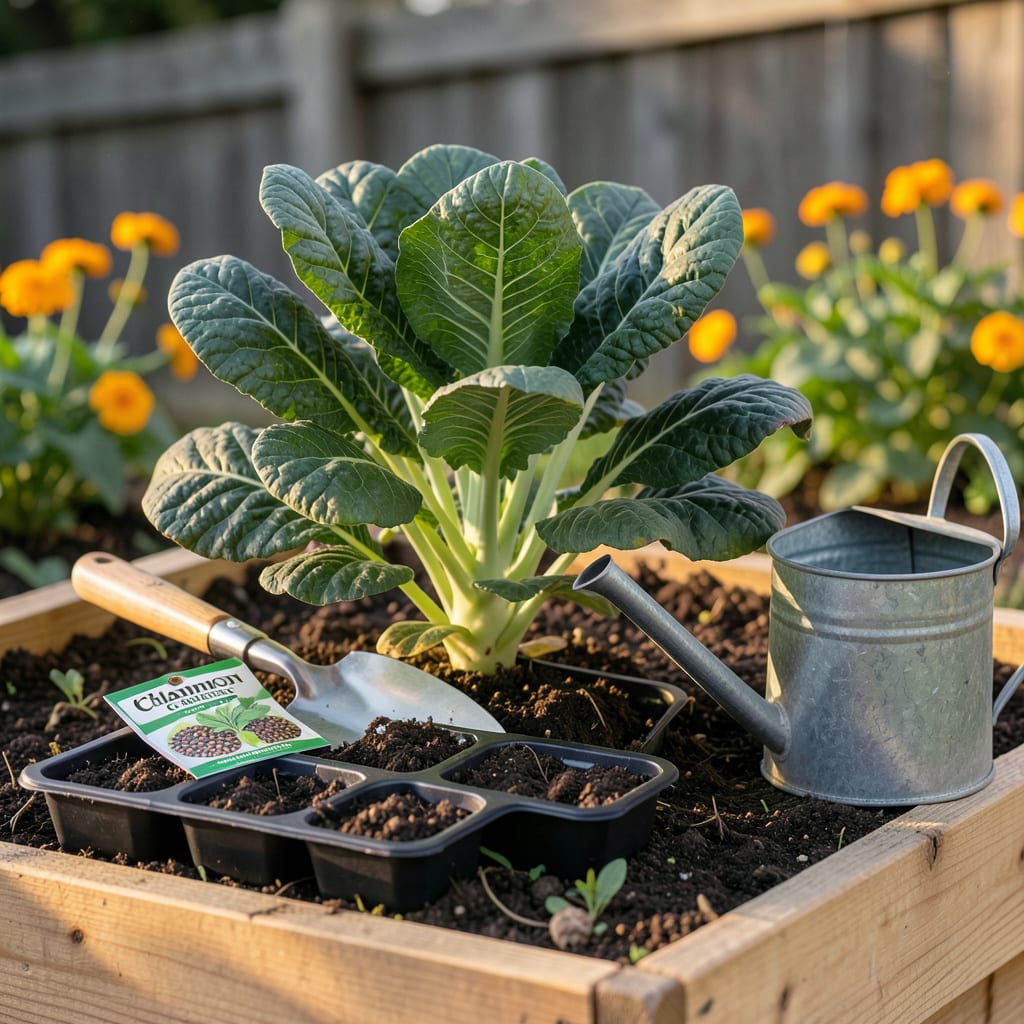
If you’ve ever bitten into homegrown collards that taste sweeter than store-bought, you know perfect timing makes all the difference. South Carolina’s climate gives us two prime windows to grow these leafy greens—but miss them, and you’ll be left with bitter or stunted plants.
I’ve tested planting dates across our state’s zones, and the results might surprise you. Whether you’re in Charleston’s coastal warmth or Greenville’s cooler upstate, I’ll show you exactly when to get those 🥬 collard seeds in the ground for a harvest that’ll make your neighbors jealous.
South Carolina’s diverse climate means collard planting times vary dramatically from the coast to the mountains. I’ve found that fall planting is the gold standard here—cooler temps sweeten the leaves and reduce pest pressure. But spring can work too if you time it right.
The key is working around our last frost date (March 15 in most areas) and first frost (November 15). Coastal gardeners get a longer window, while Upstate growers need to adjust for earlier frosts. Let’s break it down by region so you can plan your 🥬 collard crop with confidence.
| Region | Spring Planting | Fall Planting | Notes |
|---|---|---|---|
| Coastal (Charleston, Hilton Head) |
Feb 1–Mar 15 | Sep 1–Oct 31 | Longer season; watch for hurricane rains in fall. |
| Piedmont (Columbia, Aiken) |
Feb 15–Mar 30 | Aug 15–Oct 15 | Ideal for succession planting every 2 weeks. |
| Upstate (Greenville, Spartanburg) |
Mar 1–Apr 1 | Aug 1–Sep 30 | Earliest frosts—use row covers to extend season. |
For spring collards, aim to plant 4–6 weeks before your last frost. In Charleston, that means seeds can go in as early as late January under cloches. Upstate, wait until at least March 1 to avoid unexpected cold snaps.
Fall planting is where collards truly shine in SC. I start seeds indoors in late July for Piedmont transplants, or direct-sow in early August. The goal is mature plants by first frost—cold weather converts starches to sugars, making leaves sweeter and tender.
Soil temperature matters too. Collard seeds germinate best at 40–85°F. Use a soil thermometer—if it’s below 40°F, seeds may rot. In fall, I often pre-warm beds with black plastic for 2 weeks before planting.
Don’t forget succession planting! For a continuous harvest, sow new seeds every 2–3 weeks until your region’s fall cutoff. Coastal gardeners can push this into early November, while Upstate growers should stop by October 1.
Microclimates make a difference. If you’re in a low-lying area, expect earlier frosts. Near a brick wall? You’ve got extra warmth. I keep a garden journal to track these nuances year to year—it’s the best way to refine your timing.
Pro tip: Transplants give you a 2–3 week head start over direct sowing. Start seeds indoors under grow lights, then harden off before moving outside. This is especially useful for late fall plantings when days are shortening.
Remember, collards are biennials—they’ll overwinter in most of SC and bolt in spring. If you want year-round greens, leave a few plants in the ground and harvest side shoots. Just be ready for bitter flavors once they flower.
Finally, watch the 10-day forecast before planting. If a heatwave or cold snap is coming, adjust your schedule. I’ve lost count of how many times I’ve delayed planting by a week to avoid stressing young seedlings. Patience pays off with collards!
🌱Getting collards from seed to harvest in South Carolina is all about preparation and timing. I’ve found that soil prep makes or breaks a collard crop—especially in our clay-heavy Piedmont soils. Start by testing your soil pH; collards thrive in 6.0–6.8 range. Too acidic? Add lime.
Next, work in 2–3 inches of compost or well-rotted manure. This improves drainage and adds nutrients. I like to mix in a balanced fertilizer (10-10-10) at planting time, then switch to high-nitrogen (4-6-4) once leaves start growing. Remember, collards are heavy feeders!
| Step | Action | SC-Specific Tip |
|---|---|---|
| Soil Prep | Test pH, add compost | Add sand to break up clay |
| Planting | Sow ¼” deep, 12-18″ apart | Use shade cloth for spring |
| Watering | 1-2″ per week, morning | Avoid evening watering (fungus risk) |
| Fertilizing | High-nitrogen every 4 weeks | Stop 2 weeks before harvest |
| Pest Control | Row covers for loopers | Plant nasturtiums nearby |
For direct sowing, plant seeds ¼ inch deep and 12–18 inches apart. Thin seedlings to 18 inches for full-size plants. In spring, I use shade cloth to protect young plants from SC’s intense sun—especially in the Piedmont.
Watering is critical. Collards need 1–2 inches per week, delivered in the morning to prevent fungal issues. Drip irrigation works best in our humid climate. Mulch with straw or pine needles to retain moisture and suppress weeds.
Pests love collards as much as we do! Watch for cabbage loopers and aphids. I use floating row covers at planting and spray neem oil weekly. Planting nasturtiums nearby helps deter pests naturally.
Harvest leaves when they’re 6–8 inches long, starting from the bottom. Leave the central bud intact for continuous growth. In SC, you can often harvest until hard freezes (below 20°F) kill the plants. Coastal gardeners may get year-round harvests!
For fall plantings, time your last sowing so plants mature before first frost. In Columbia, that’s around October 15. Upstate, aim for September 30. Cold weather actually improves flavor, so don’t rush to pull plants after light frosts.
🌱Even experienced gardeners can stumble when growing collards in South Carolina. I’ve made my share of mistakes over the years, but learning from them has helped me grow bigger, sweeter harvests. The good news? Most issues come down to just three avoidable errors.
First up: planting too late in fall. Many gardeners wait until September to sow collards, but in most of SC, that’s cutting it too close. By the time plants mature, they’ve missed the frost-sweetening window. I aim to have transplants in the ground by mid-August for Piedmont gardens.
Collards need 4–6 weeks to mature before first frost. In SC, that means:
Late plantings often result in small, bitter leaves.
Another common pitfall is overcrowding plants. Collards need 18 inches of space to reach full size, but I see many gardeners squeeze them into 12-inch spacing. Tight quarters lead to stunted growth and increased disease risk in our humid climate.
I use the “hand rule” for spacing: when seedlings are 3–4 inches tall, I thin them so my hand can fit between plants. This ensures good airflow, which is crucial for preventing fungal diseases like downy mildew that thrive in SC’s moisture.
Finally, ignoring soil drainage spells disaster for collards. Our state’s clay-heavy soils hold too much water, leading to root rot. I always amend beds with 2–3 inches of compost and 1 inch of sand to improve drainage before planting.
For containers, ensure pots have drainage holes and use a mix of 60% potting soil and 40% perlite. Raised beds? Add a 2-inch layer of pine bark fines to the bottom before filling with soil. These small steps prevent soggy roots and keep plants thriving through our unpredictable weather.
🌱For Upstate regions like Greenville, aim to have seeds in the ground by September 30. This gives plants enough time to mature before the first frost, which typically arrives around November 15.
Nearly! Coastal areas like Charleston rarely see hard freezes, so collards often survive winter. You may need to replant in late summer for a continuous harvest, as plants eventually bolt.
Test soil temperature first—it should be at least 40°F. Use a soil thermometer and check moisture: it should crumble when squeezed, not stick together. Amend with compost if drainage is poor.
Spring heat stress is usually the culprit. Collards prefer cooler weather, so use 30% shade cloth if planting after April 1. Harvest leaves smaller (4–6 inches) for milder flavor.
Transplants give a 2–3 week head start, ideal for fall plantings. Direct sowing works well for spring but requires consistent moisture. For best results, start seeds indoors 4 weeks before transplanting.
