
Beautiful Plants For Your Interior
Beautiful Plants For Your Interior
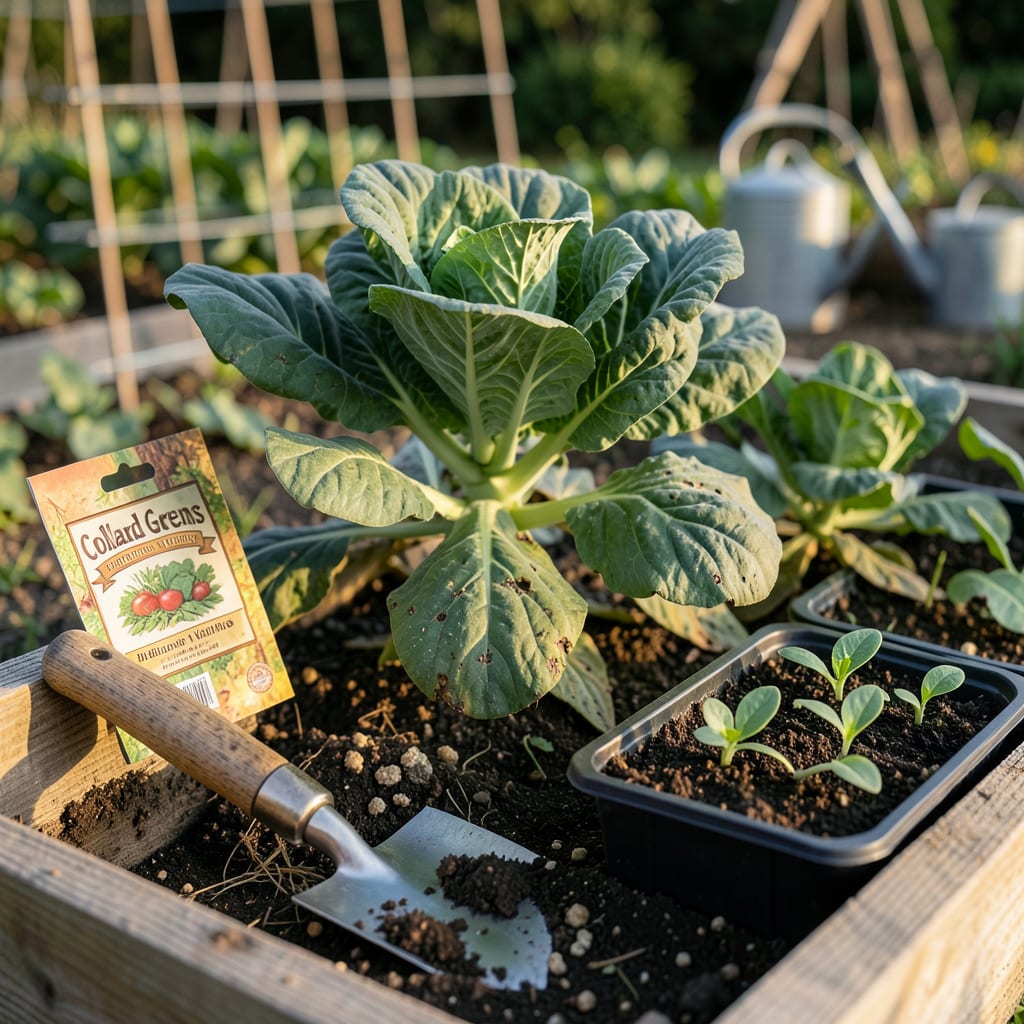
If you’ve ever bitten into bitter, tough collard greens, chances are they were planted at the wrong time. In Alabama’s unpredictable climate, timing isn’t just important—it’s everything for growing those sweet, tender leaves we all love.
I’ve seen gardeners struggle with bolting or stunted growth simply because they missed the perfect planting window. Whether you’re in Birmingham or Mobile, let me show you exactly when to get those 🥬 Collard Greens in the ground for a harvest that’ll make your neighbors jealous.
Alabama’s diverse climate means your collard planting schedule changes dramatically from the Tennessee Valley to the Gulf Coast. I’ve grown collards in both regions, and trust me—what works in Huntsville won’t fly in Mobile. The key is working with our long growing season and mild winters.
For most of Alabama, you’ll want two main planting windows: early spring (February–March) and late summer (August–September). But the exact timing depends on your USDA Hardiness Zone—we span Zones 7a to 9a here. Let’s break it down by region so you don’t waste seeds or time.
| Region | USDA Zone | Spring Planting | Fall Planting | Last Frost Date |
|---|---|---|---|---|
| Northern AL (Huntsville, Florence) |
7a–7b | Feb 15–Mar 15 | Aug 15–Sep 15 | April 1 |
| Central AL (Birmingham, Montgomery) |
8a | Feb 1–Mar 1 | Aug 1–Sep 1 | March 15 |
| Southern AL (Mobile, Dothan) |
8b–9a | Jan 15–Feb 15 | Jul 15–Aug 15 | February 15 |
Note: Soil temp should be 50°F+ for spring, 85°F or below for fall. Data sourced from Alabama Cooperative Extension.
Notice how Southern Alabama gets a head start in January? That’s because our Gulf Coast region rarely sees hard freezes. I’ve had collards survive winters there with just a light frost cloth. Meanwhile, up north, you’ll want to wait until soil temps hit 50°F—usually mid-February.
The fall planting window is where Alabama gardeners really shine. Our long autumns mean you can plant as late as September and still get harvests before Christmas. Pro tip: If you’re in Zone 9a (like Mobile), you can even sneak in a winter crop with protection.
For spring plantings, watch the soil temperature—not just the calendar. I use a simple soil thermometer (under $10!) to check. If it’s consistently above 50°F at 4-inch depth, you’re good to go. Planting too early in cold soil leads to slow germination and weak plants.
If you’re in Central Alabama (Zone 8a), aim for February 1–15 for spring. This gives your collards time to mature before the summer heat (above 85°F) makes them bolt. For fall, August 1–15 is ideal—plants establish before cooler weather slows growth.
Down south, you’ve got more flexibility. I’ve successfully planted collards in January in Mobile, but you’ll need to protect young plants from occasional cold snaps. Use row covers or cloches if temps dip below 25°F. The payoff? You’ll be harvesting while northern gardeners are still waiting to plant!
Remember, collards are biennials, meaning they’ll bolt (go to seed) after their first year. In Alabama’s climate, you can often overwinter plants for a second harvest. Just trim back old leaves in late winter and fertilize lightly. Many gardeners get two full seasons from one planting!
One final tip: Succession planting works beautifully here. Start a new batch every 3–4 weeks from August to September for continuous harvests. I like to interplant with kale or mustard greens to maximize space. With our long growing season, you can keep fresh collards on the table from November through May!
Now that you’ve got the timing down, let’s talk about the three biggest mistakes I see Alabama gardeners make with collards—and how to avoid them. Trust me, sidestepping these will save you a world of frustration (and bitter greens).
Even with perfect timing, I’ve seen Alabama gardeners ruin their collard crops by making these three avoidable mistakes. The first is planting too late in spring—once soil temps hit 85°F+, collards bolt faster than you can say “Southern comfort.” That’s why I always stop spring plantings by March 15 in Central AL.
The second blunder? Ignoring your soil pH. Collards thrive in 6.0–6.8 pH, but our Alabama clay often skews acidic. A simple $10 soil test kit saves weeks of stunted growth. I once lost an entire bed because I skipped this step—lesson learned the hard way!
The third mistake is underestimating Alabama’s pests. Our humid climate is a buffet for cabbage loopers and aphids. I lost half a crop before switching to floating row covers and weekly neem oil sprays. Now? My collards stay pristine without harsh chemicals.
Here’s a regional twist: Coastal gardeners (Mobile, Baldwin County) fight salt spray and sandy soil. If you’re near the Gulf, add 2 inches of compost and use windbreaks for young plants. Inland? Drought stress is your enemy—mulch heavily with straw or pine fines.
Don’t overlook variety selection either. ‘Georgia Southern’ handles our heat, while ‘Champion’ resists bolting. I’ve had best luck with ‘Vates’ for fall plantings—it’s cold-hardy down to 15°F, perfect for our mild winters. Always check the seed packet for “heat tolerant” or “slow bolt” labels.
Finally, watering mistakes wreck more collard crops than anything else. Our clay soil holds moisture but drains poorly. I water deeply once a week (1–1.5 inches), then let the top inch dry out. Overwatering leads to root rot; underwatering makes leaves tough. A simple rain gauge ($5 at any garden center) takes the guesswork out.
Remember, collards are forgiving—but only if you avoid these pitfalls. Get the timing, soil, and pest control right, and you’ll be harvesting sweet, tender leaves while others are stuck with bitter, holey greens. Next up, let’s talk about keeping that harvest going year-round with smart succession planting!
Alabama’s long growing season is a collard gardener’s dream—but only if you use succession planting. I’ve harvested fresh collards 10 months a year using this simple trick: stagger your plantings every 3–4 weeks from late summer through early fall. It’s the secret to avoiding gluts and gaps in your harvest.
The key is starting your first fall planting in mid-July (Southern AL) or early August (Northern AL). I plant a new batch every 21–28 days until mid-September. This ensures you’ll have young, tender leaves ready just as older plants start to bolt or slow down in winter.
For spring succession, I start seeds indoors in late January (Southern AL) or early February (Central/Northern AL). Transplant outdoors in 3–4 week intervals until mid-March. This gives you young plants ready to take over as older ones bolt in late spring. Pro tip: Use 30% shade cloth for April plantings to extend the season.
Don’t forget about interplanting! Collards play well with kale, mustard greens, and onions. I alternate rows to maximize space and confuse pests. The onions help repel cabbage loopers, while the mustard greens mature faster for early harvests. It’s like creating your own pest-resistant polyculture!
To keep plants producing longer, I use the “cut-and-come-again” method: harvest only the outer leaves, leaving the center to keep growing. With this approach plus succession planting, I’ve kept 6 collard plants producing continuously for 8+ months. Just
For winter protection in colder zones (7a–8a), use floating row covers or low tunnels. I’ve overwintered collards in Birmingham with just a thick mulch of straw and a frost blanket on the coldest nights. Come spring, these plants bounce back quickly, giving you a head start on the growing season. With these techniques, you’ll have collards ready to harvest 365 days a year in most of Alabama! 🌿
Summer heat above 85°F causes collards to bolt quickly. Stick to spring (Feb–Mar) and fall (Aug–Sep) plantings for best results. Use shade cloth if you must plant in early summer.
Use a soil thermometer to check 4-inch depth—collards need 50°F+ for spring and below 85°F for fall. In Central AL, this usually means mid-February for spring.
‘Georgia Southern’ handles heat well, while ‘Vates’ thrives in winter. For coastal areas, try ‘Champion’ for its bolt resistance. Always check for “heat-tolerant” or “slow-bolt” labels.
Water 1 inch per week, adjusting for rain. Our clay soil holds moisture, so let the top inch dry between waterings. Morning watering prevents fungal issues in humid climates.
Use containers at least 12 inches deep with well-draining soil. Container collards need more frequent watering—check soil daily during hot spells.
