
Beautiful Plants For Your Interior
Beautiful Plants For Your Interior
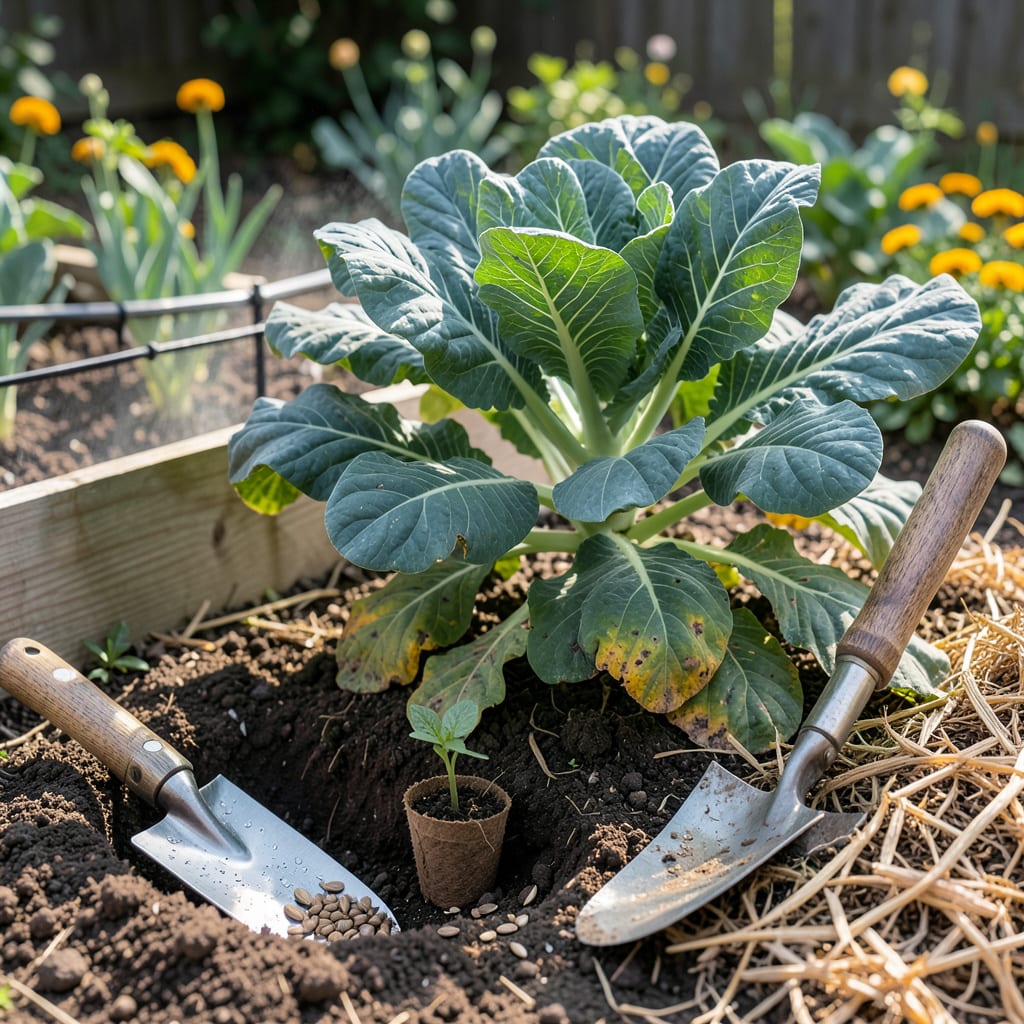
Texas gardeners know the struggle—plant your 🥬 Collard Greens at the wrong time, and the scorching sun or unexpected frost can wipe out your crop overnight. But here’s the good news: with the right timing, you can grow leafy, tender greens that thrive through our wild weather swings.
I’ve tested the ideal windows across Texas zones, and the difference is night and day. Whether you’re in the Panhandle or the Gulf Coast, I’ll show you exactly when to plant for bigger harvests and less stress. Let’s get those greens growing right.
If you’ve ever tried growing collard greens in Texas, you know our unpredictable weather can make or break your harvest. The secret? Planting at the right time for your specific region. Texas spans USDA zones 6a-10b, meaning what works in Dallas won’t always work in Houston.
I’ve found that fall planting is the golden window for most Texas gardeners. The cooler temperatures let collards thrive without bolting, while spring plantings need careful timing to avoid late frosts or early summer scorchers. Let’s break down the perfect schedule for your area.
| Texas Region | Spring Planting | Fall Planting | Key Consideration |
|---|---|---|---|
| North Texas (Dallas, Fort Worth) |
Feb 15 – Mar 15 | Sep 1 – Oct 1 | Avoid late spring frosts; use row covers if needed |
| Central Texas (Austin, San Antonio) |
Jan 20 – Mar 1 | Sep 15 – Oct 15 | Watch for sudden temperature swings in spring |
| South Texas (Corpus Christi, Laredo) |
Jan 1 – Feb 15 | Oct 1 – Nov 15 | Can plant earlier due to milder winters |
| Gulf Coast (Houston, Galveston) |
Jan 15 – Feb 28 | Sep 15 – Nov 1 | Humidity helps but watch for fungal diseases |
For spring planting, I always start seeds indoors 6-8 weeks before my last frost date. This gives my collards a head start before transplanting them outside. In North Texas, that means starting seeds around Christmas for a March transplant.
The fall window is where Texas gardeners really shine with collards. Planting in September means your greens will be well-established by the time the first frost hits. I’ve had collards survive Texas winters and keep producing until spring!
If you’re in South Texas, you’ve got the longest growing season. I recommend succession planting every 2-3 weeks from October through November. This ensures a continuous harvest rather than one big flush of leaves.
Remember that soil temperature matters more than air temperature. Collard seeds germinate best when soil is between 60-65°F. Use a soil thermometer if you’re unsure – it’s a game-changer for Texas gardeners dealing with our temperature swings.
For those in urban areas with microclimates (looking at you, Austin and Houston), watch your local weather patterns. Concrete and buildings can create heat islands that affect planting times. I’ve seen collards bolt in February in downtown Austin while thriving in the suburbs.
Don’t forget about day length – collards need at least 6 hours of sun daily. In our hot summers, afternoon shade becomes crucial. I use 30% shade cloth during peak summer months to protect my plants from scorching.
Pro tip: Always check your local frost dates and adjust accordingly. The dates in our table are guidelines, but Texas weather loves to keep us on our toes! When in doubt, plant a little earlier in fall rather than later – collards can handle light frosts better than heat waves.
With the right timing, you’ll be harvesting tender, sweet collard greens all winter long. And isn’t that what Texas gardening dreams are made of? 🌱
Texas heat doesn’t have to mean the end of your collard greens harvest. With a few smart strategies, I’ve kept my plants producing well into summer. The key is managing soil temperature and moisture levels while protecting leaves from scorching.
I’ve found that mulching makes a huge difference. A thick layer of organic mulch (like straw or shredded leaves) keeps roots cool and retains moisture. In my Central Texas garden, I apply 3-4 inches of mulch around each plant, keeping it a few inches away from stems.
For watering, I’ve developed a Texas-specific schedule. During 100°F+ days, I water every 2-3 days instead of weekly. The trick is deep watering – I aim for 1.5 inches per week, delivered in 2-3 sessions to prevent runoff.
When temperatures climb above 90°F, I switch to morning-only harvesting. This gives plants time to recover before the afternoon heat. I also remove any yellowing leaves immediately – they attract pests and waste the plant’s energy.
For fall-planted collards, I use row covers in late summer to protect young plants from intense sun while still allowing airflow. This simple step has extended my harvest by 4-6 weeks into early summer before I need to pull plants.
Don’t forget about soil health – I add compost monthly during growing season. Texas soils often lack organic matter, and collards are heavy feeders. A side dressing of compost tea every 3-4 weeks keeps my plants producing new leaves even in heat.
With these techniques, I regularly harvest collards until June in Central Texas. The plants may grow slower in heat, but they’ll keep producing if you give them what they need. 🌿
After years of growing collard greens in Texas, I’ve seen even experienced gardeners make simple mistakes that cost them their harvest. The biggest issue? Planting at the wrong time—either too late in spring or too early in fall. Both can lead to bolting or stunted growth.
Another common error is ignoring soil preparation. Collards thrive in well-draining soil with a pH of 6.5-6.8. I always test my soil before planting and amend with compost if needed. Texas soils often lean alkaline, which can lock out nutrients your collards need.
Many Texas gardeners also underestimate our pest pressure. Cabbage loopers and aphids love collards as much as we do! I use floating row covers immediately after planting to keep pests off without chemicals. For organic control, I spray with neem oil every 10-14 days.
Watering mistakes are another harvest killer. I see two extremes: either drowning plants or letting soil dry completely. Collards need consistent moisture—about 1-1.5 inches weekly. In our clay soils, I water deeply 2-3 times per week rather than daily light watering.
Finally, don’t overlook variety selection. Not all collards handle Texas heat equally. I stick with heat-tolerant varieties like ‘Champion’ or ‘Georgia Southern’. These keep producing when others bolt. For fall planting, I add ‘Vates’ for its cold hardiness.
Remember, Texas gardening is about adapting to our extremes. When you avoid these common mistakes, you’ll grow sweeter, more tender collards that keep producing month after month. 🌿
Fall planting is ideal for most Texas regions. The cooler temperatures prevent bolting and allow plants to establish before winter. Spring planting works but requires careful timing to avoid summer heat stress.
It’s challenging but possible with proper care. Use 30-40% shade cloth, maintain consistent moisture, and choose heat-tolerant varieties like ‘Champion’. Expect slower growth during peak heat.
Space plants 18-24 inches apart in rows 2-3 feet apart. This allows for good airflow and prevents disease. Closer spacing works for baby greens but reduces overall yield.
Planting too late in spring is the most common error. When temperatures exceed 80°F, collards bolt quickly. Always check your local last frost date and plant accordingly.
Containers dry out faster, so plant 1-2 weeks later in spring. Use large containers (5+ gallons) and monitor soil moisture daily during heat waves.
