
Beautiful Plants For Your Interior
Beautiful Plants For Your Interior
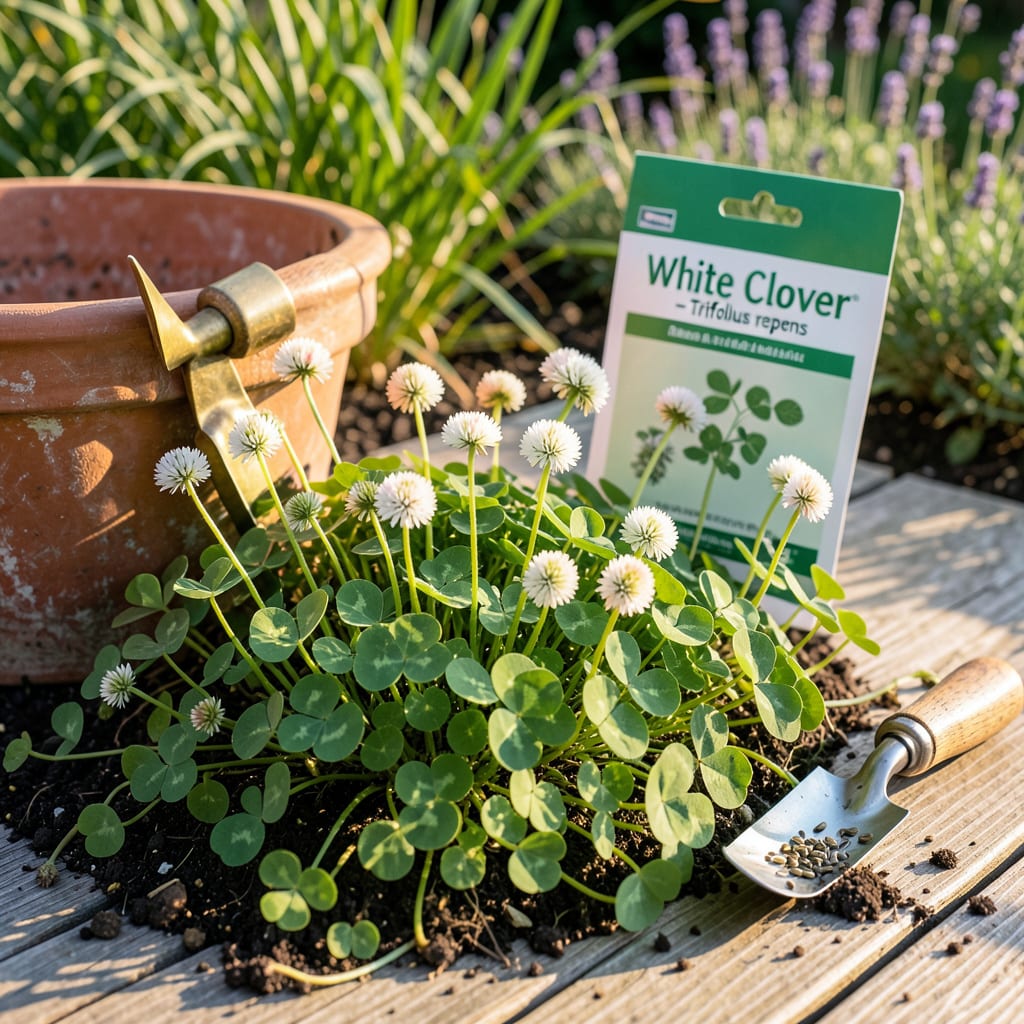
Timing can make or break your 🍀 Clover success in Virginia’s unpredictable climate. Plant a week too early or late, and you might face poor germination or winter die-off—especially in Zone 7a-8a’s swing between late frosts and summer scorchers.
I’ve tested the ideal windows for lush cover crops, and the difference is staggering. Whether you’re sowing for forage, lawn improvement, or soil health, I’ll show you the exact months to act—and why March-May and August-September are your golden opportunities.
Virginia’s Zone 7 climate gives us two prime windows for planting clover: early spring and late summer/early fall. The key is timing it around soil temperature—clover seeds germinate best when soils hit 45–50°F. Too cold, and they’ll rot; too hot, and they’ll dry out.
For most Virginia gardeners, that means aiming for March–May for spring planting or August–September for fall. But here’s the catch: coastal areas warm up faster than the Piedmont or mountains, so adjust your calendar based on your microclimate. I’ll break down the specifics below.
| Clover Type | Best Planting Time | Soil Temp | Notes |
|---|---|---|---|
| White Clover | March–April or Aug–Sept | 45–55°F | Cold-hardy; ideal for lawns & pollinators |
| Red Clover | April–May or Sept | 50–60°F | Needs warmer soil; great for forage |
| Crimson Clover | Sept–Oct (fall only) | 55–65°F | Winter-kill cover crop; plant 6 weeks before frost |
If you’re planting in spring, target 4–6 weeks before your last frost (around April 15 for most of Virginia). This gives seeds time to establish before summer heat. For fall planting, aim for 6–8 weeks before the first frost (typically October 15), so roots develop before winter.
Crimson clover is the exception—it’s a winter annual, so you’ll want to plant it in early fall (September) to maximize growth before it dies back. White clover, on the other hand, thrives in both seasons and handles Virginia’s summer droughts better than most.
Pro tip: Use a soil thermometer to check temps at 2-inch depth—this is where clover seeds germinate. If you’re seeing consistent 50°F+ readings, you’re in the clear. For those in cooler mountain regions (Zone 6a), push spring planting to late April–May and fall planting to early September.
Don’t forget about frost seeding—a lazy gardener’s dream! Broadcast clover seeds over frozen soil in late winter (February–March). The freeze-thaw cycles will naturally work seeds into the soil. It’s less precise but works well for white clover in established lawns or pastures.
For cover cropping, fall planting is usually best. Sow 4–6 weeks before your first frost to give clover enough time to establish. In Virginia, that’s typically mid-September to early October. This ensures strong root growth before winter dormancy, so your clover bounces back vigorously in spring.
If you’re mixing clover with grass (like for a clover-lawn combo), spring planting is ideal. The cooler temps and spring rains help clover compete with grasses. Just be sure to mow high (3–4 inches) to protect young clover plants from heat stress later.
Finally, watch the 10-day forecast before planting. If a heatwave or cold snap is coming, hold off. Clover seeds need consistent moisture for the first 7–10 days—dry spells or heavy rains can ruin germination. A light straw mulch can help retain moisture without smothering seeds.
Even with perfect timing, small missteps can sabotage your 🍀 clover planting in Virginia. I’ve seen gardeners lose entire patches by ignoring seasonal quirks—like our unpredictable late frosts or summer droughts. Let’s tackle the biggest pitfalls by season so you don’t repeat them.
In spring, the #1 mistake is planting too early when soils are still cold and wet. Clover seeds rot in below-45°F conditions. Wait until soil temps hit 50°F at 2-inch depth—usually late March in Coastal Virginia but mid-April in the mountains. Conversely, planting too late (after May) means young clover will struggle with summer heat before roots establish.
Summer planting is almost always a mistake in Virginia. The 90°F+ temps and dry spells stress young clover, leading to poor germination. If you miss the spring window, wait for late summer (August 15–September 1) when temps cool slightly and fall rains return. For crimson clover, never plant after October 1—it won’t establish enough to survive winter.
Another critical error? Broadcasting seeds on bare soil without coverage. Clover seeds are tiny and need light soil contact to germinate. After sowing, gently rake or roll the area to press seeds into the soil. For lawns, mow low before planting and keep foot traffic off for 2–3 weeks. In pastures, avoid planting clover where herbicides were used in the past 6 months—residual chemicals can stunt growth.
Virginia’s unpredictable late frosts (especially in the Piedmont) can wipe out early spring plantings. Always check the 10-day forecast before sowing. If a cold snap is predicted, delay planting or cover seeds with a light frost blanket. For fall plantings, harden off seedlings by reducing water 1 week before the first frost to encourage dormancy.
Finally, don’t overlook weed competition. Clover struggles against aggressive weeds like crabgrass or chickweed. Prep your site by solarizing (covering with clear plastic for 2–3 weeks) or using a vinegar spray (10% acetic acid) to kill weeds before planting. For cover crops, plant clover 2–3 weeks after terminating summer crops to reduce competition.
If you’re planting clover as a living mulch or green manure, avoid tilling it under too early. Wait until it reaches 50% bloom to maximize nitrogen fixation. In Virginia, that’s typically late May for spring-planted clover or early April for fall-planted stands. Use a flail mower to chop residue finely before incorporation.
Virginia’s soil is as diverse as its climate—from the clay-heavy Piedmont to the sandy Coastal Plain. To give your clover the best start, you’ll need to tailor your soil prep to your region’s quirks. The goal? A well-draining, pH-balanced seedbed that encourages strong root growth and nitrogen fixation.
Start with a soil test—it’s the only way to know exactly what your soil needs. Virginia’s Cooperative Extension offers affordable tests that reveal pH, organic matter, and nutrient levels. Clover thrives in pH 6.0–7.0. If your soil is too acidic (common in the Piedmont), add lime; if it’s alkaline (often in coastal areas), amend with sulfur or compost.
For cover crops, no-till planting works well in Virginia. Simply mow existing vegetation short, broadcast clover seeds, and lightly harrow or roll to ensure seed-to-soil contact. This method preserves soil structure and earthworm activity, which is critical for clay soils that compact easily.
If you’re overseeding clover into an existing lawn, first mow low (1–2 inches) and rake to expose bare spots. Then, mix clover seeds with sand or compost for even distribution. Water lightly but frequently—daily misting for the first week—to keep seeds moist without washing them away.
In pasture settings, consider frost seeding in late winter (February–March). Broadcast seeds over frozen ground, and let natural freeze-thaw cycles work them into the soil. This method is low-effort and mimics nature, but it’s less precise—expect 30–50% germination compared to traditional planting.
Finally, don’t skip the mulch. A light layer of straw or grass clippings (¼ inch) helps retain moisture and protect seeds from birds. Just avoid thick mulch—it can smother tiny clover seedlings. For best results, water gently after planting and keep soil moist for 7–10 days until germination.
Clover seeds germinate best when soil reaches 45–50°F at a 2-inch depth. In Virginia, this typically happens in March–April for spring and August–September for fall. Use a soil thermometer for accuracy—planting too early risks rot, while too late may cause drought stress.
Summer planting is risky in Virginia due to 90°F+ temps and drought. Young clover struggles to establish under heat stress. If you miss spring, wait for late August when temps cool and fall rains return. For existing stands, summer is fine—just water deeply twice weekly during dry spells.
First, mow low (1–2 inches) and rake to expose bare soil. Mix clover seeds with sand or compost for even distribution, then broadcast at ¼ lb per 100 sq ft. Water lightly daily for 7–10 days until germination. Avoid foot traffic for 2–3 weeks to protect delicate seedlings.
Frost seeding involves broadcasting seeds over frozen ground in February–March. Freeze-thaw cycles naturally work seeds into the soil—it’s low-effort but less precise, with 30–50% germination. Traditional planting (tilled or no-till) offers better control and higher success rates, especially for red or crimson clover.
Clover typically germinates in 7–14 days under ideal conditions. Full establishment—where it can outcompete weeds and fix nitrogen—takes 6–8 weeks. For cover crops, wait until 50% bloom (usually 60–90 days) before tilling under to maximize soil benefits.
