
Beautiful Plants For Your Interior
Beautiful Plants For Your Interior
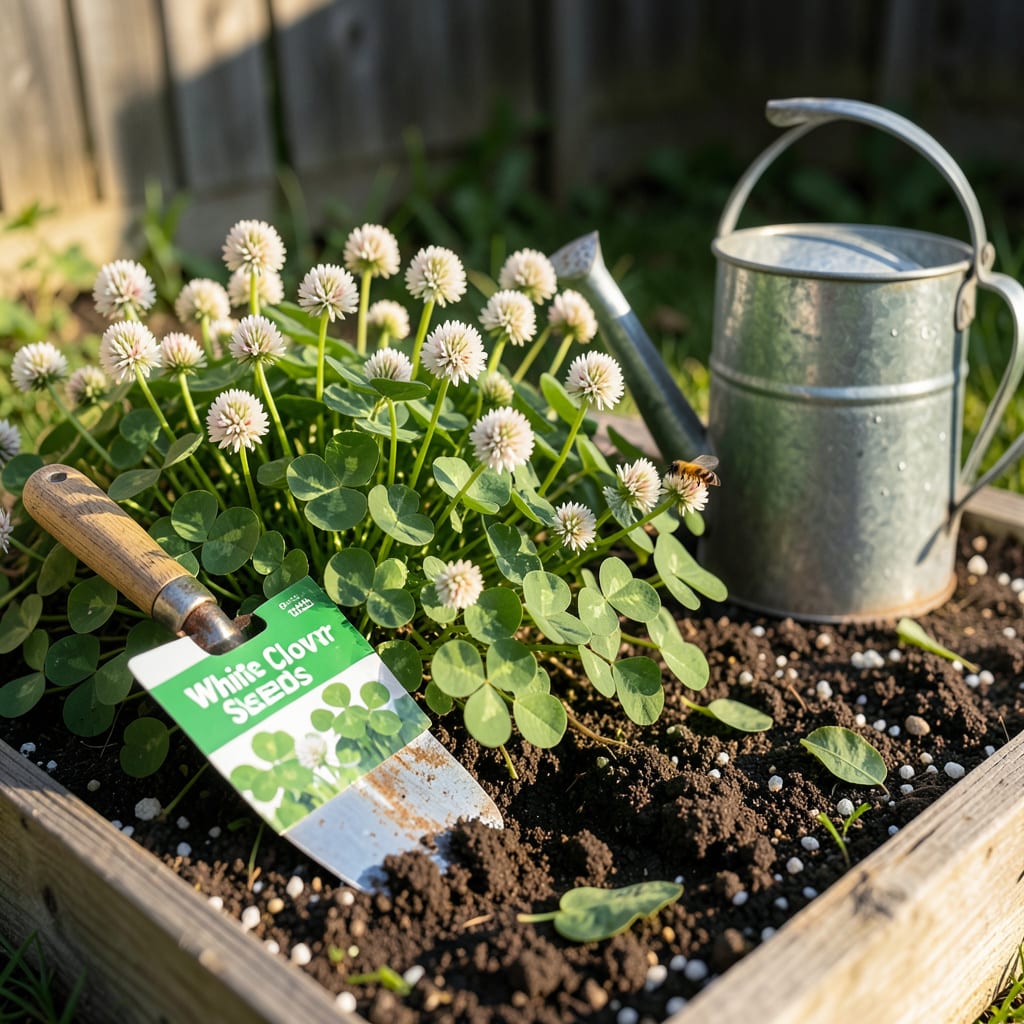
Timing can make or break your 🍀 clover success in Texas—plant too late, and the summer heat will fry your seedlings before they even sprout. I’ve seen it happen too many times, but the good news? There’s a perfect window to get it right.
Whether you’re planting for a lush lawn or a winter cover crop, Texas’s climate demands precision. I’ll show you exactly when to sow based on your region, so you avoid the common mistakes that leave gardeners disappointed. Let’s get your clover thriving.
Texas isn’t just one climate—it’s a patchwork of microclimates that demand different approaches. In North Texas, you’ll want to plant clover in early fall (September to early October) to avoid winterkill. The soil temperature should ideally be between 50-65°F for best germination.
Down in Central and South Texas, the window shifts slightly later—think mid-October to November. This region’s milder winters allow for a bit more flexibility, but you’ll still want to get seeds in the ground before the first frost. Coastal areas can even push planting into early December.
| Region | Ideal Planting Window | Soil Temp | Best Varieties |
|---|---|---|---|
| North Texas | Sept 1 – Oct 15 | 50-65°F | White Dutch, Durana |
| Central Texas | Oct 1 – Nov 15 | 55-70°F | Crimson, Arrowleaf |
| South Texas | Oct 15 – Dec 1 | 60-75°F | Ball, Yuchi |
| Gulf Coast | Nov 1 – Dec 15 | 65-75°F | White Dutch, Crimson |
| West Texas | Sept 15 – Oct 30 | 55-70°F | Durana, Sweetclover |
If you’re in West Texas, timing is even more critical due to the extreme temperature swings. I recommend planting Durana clover—it’s drought-tolerant and handles the heat better than most. Aim for mid-September to late October to give roots time to establish before winter.
For those along the Gulf Coast, your longer growing season is a blessing. You can plant as late as mid-December and still see success, especially with crimson clover, which thrives in the humidity. Just watch for overly wet soil—clover hates soggy roots.
No matter where you are, soil prep is non-negotiable. Texas soils—especially the heavy clay in North Texas—can suffocate clover seeds. I always recommend tilling in compost or sand to improve drainage before sowing. A simple soil test can save you headaches later.
Watering after planting is another key factor. In Texas, 1 inch of water per week is ideal for germination. If you’re in a drier region like West Texas, you may need to supplement with irrigation. Use a light mulch (straw works well) to retain moisture without smothering the seeds.
For spring planting, timing gets trickier. You’ll need to sow early—February to March—before the summer heat sets in. However, I usually advise against spring planting unless you’re using clover as a temporary cover crop. The Texas summer is just too harsh for young clover to survive.
One variety I swear by for Texas heat is Durana white clover. It’s bred for drought tolerance and can handle the alkaline soils common in many parts of the state. If you’re overseeding a lawn, mix it with bermudagrass for a resilient, low-maintenance turf.
Finally, don’t forget about frost dates. In most of Texas, you’ll want your clover planted 4-6 weeks before the first frost. This gives the roots enough time to establish without the stress of freezing temperatures. Check your local USDA Hardiness Zone for exact dates—Texas ranges from Zone 6b to 9a!
With the right timing and a little prep, your Texas clover will thrive—whether it’s for a pollinator-friendly lawn, nitrogen fixation in your garden, or a winter cover crop. Just remember: fall is your best bet, and regional adjustments make all the difference. 🌱
Planting clover in Texas starts with soil preparation—the foundation for success. Our heavy clay soils and alkaline conditions can be tough on clover, so I always begin by testing the pH level (aim for 6.0-7.0). A simple at-home kit works perfectly for this.
Once you know your soil’s baseline, work in 2-3 inches of compost or well-rotted manure to improve drainage and add nutrients. For particularly compacted clay, mix in sand or perlite to loosen things up. This step is crucial—skipping it often leads to poor germination.
For sowing methods, I prefer broadcast seeding for lawns and larger areas. Use a seed spreader for even coverage, then lightly rake the soil to ensure good seed-to-soil contact. For smaller gardens, drill seeding (planting in rows) works well—just keep rows 6-12 inches apart.
Watering is critical in those first 7-10 days. Texas heat can dry out soil quickly, so I recommend light daily watering (about 1/4 inch per day) until germination. After that, scale back to 1 inch per week. A soaker hose or drip irrigation works best to avoid washing seeds away.
If you’re planting in spring, timing becomes even more critical. Sow as early as possible—February in South Texas or March in North Texas—to beat the heat. I’ve found that mixing clover with bermudagrass helps protect young plants from summer stress. Just mow high (3-4 inches) to shade the clover.
For maintenance, clover is thankfully low-fuss. Mow to 3-4 inches to encourage spreading, and avoid herbicides—they’ll kill your clover! If weeds pop up, hand-pull them early. In alkaline soils, a light sulfur application can help lower pH over time.
With these steps, your Texas clover will establish strong roots and thrive—whether you’re growing it for lawn alternatives, pollinator support, or soil improvement. Just stick to the timing and prep, and you’ll see results faster than you think! 🌿
Planting clover in Texas seems straightforward, but I’ve seen even experienced gardeners make costly errors. The biggest mistake? Planting too late in spring. Texas heat arrives fast, and young clover can’t handle 90°F+ temperatures without stress. Stick to fall planting for best results.
Another common pitfall is ignoring soil prep. Our heavy clay soils—especially in North Texas—can suffocate clover seeds if not amended. Always till in 2-3 inches of compost or sand before sowing. Skipping this step often leads to patchy germination and weak plants.
Choosing the wrong clover variety is another error I see often. Not all clovers thrive in Texas heat. For example, white Dutch clover struggles in West Texas, while Durana handles drought beautifully. Always match your variety to your region’s climate.
Watering mistakes round out the top three. Many gardeners either drown seeds or let soil dry out. The key is consistent moisture for the first 7-10 days, then reducing to 1 inch per week. A soaker hose works better than overhead sprinklers to prevent seed displacement.
If you’ve already made these mistakes, don’t panic. For late spring plantings, provide temporary shade cloth to protect seedlings. If soil prep was skipped, top-dress with compost and water deeply. Wrong variety? Overseed with a Texas-tough clover like Durana next season.
Remember, Texas clover thrives when you work with our climate, not against it. Avoid these pitfalls, and you’ll be rewarded with a lush, resilient clover stand that improves your soil and supports pollinators. 🌿
Aim for 50-65°F soil temperature for best germination. In Texas, this typically occurs in fall (September-November). Use a soil thermometer to check—planting too early or late can reduce success rates.
Spring planting is possible but risky due to Texas heat. If attempting, sow early (February-March) and choose heat-tolerant varieties like Durana. Fall remains the safest option for most regions.
Use 1/4 lb of seed per 100 sq ft for even coverage. For lawns, a broadcast spreader helps distribute seeds uniformly. Over-seeding lightly is better than sparse coverage—thicker stands outcompete weeds.
Durana white clover is the top performer for Texas conditions. It tolerates drought, alkaline soils, and extreme temperatures. For winter cover crops, crimson clover also thrives in milder regions.
Keep soil consistently moist for the first 7-10 days with 1/4 inch of water daily. After germination, reduce to 1 inch per week. Drip irrigation or soaker hoses work best to avoid disturbing seeds.
