
Beautiful Plants For Your Interior
Beautiful Plants For Your Interior
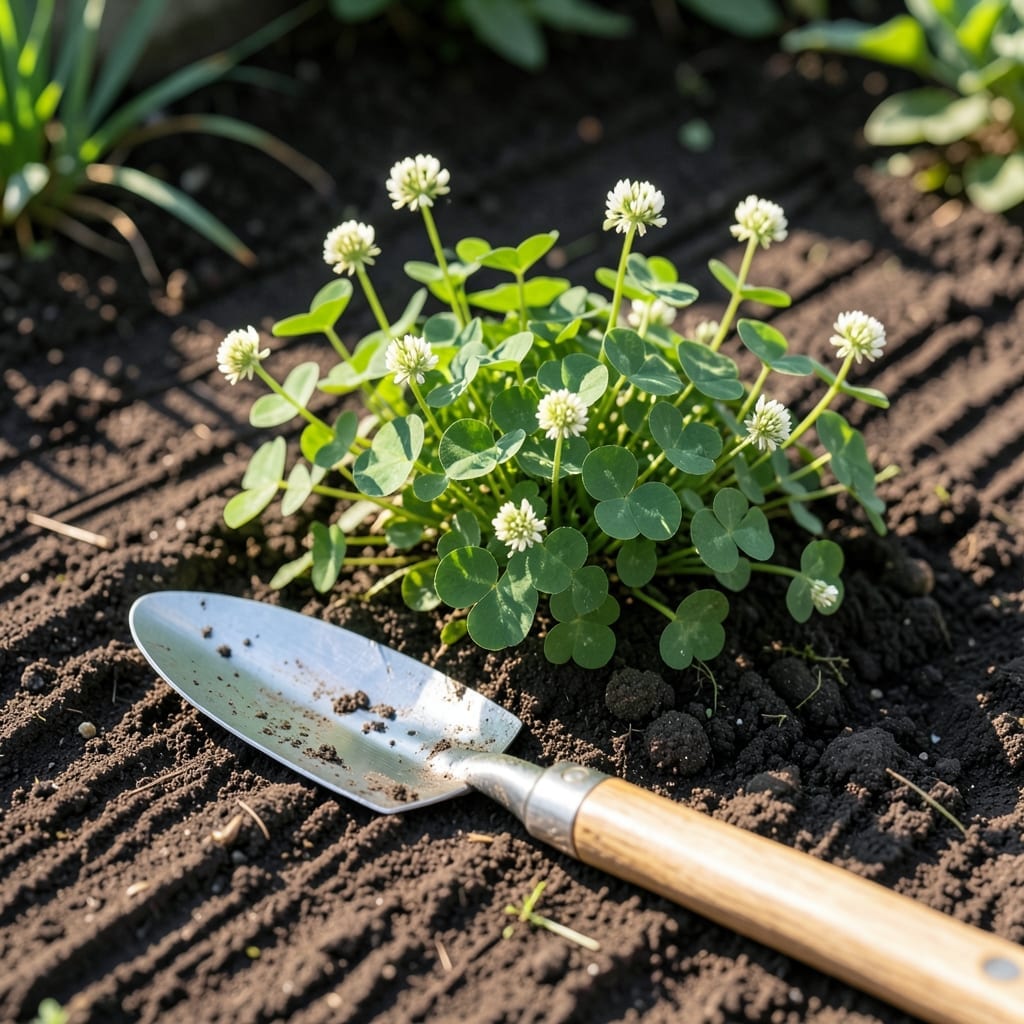
There’s something magical about watching 🍀 Clover transform a patchy lawn into a lush, green carpet. But get the timing wrong, and you might be left staring at bare soil for weeks.
Spring offers the best opportunity to establish this hardy plant, but knowing the exact moment to sow those tiny seeds makes all the difference. Too early, and frost might wipe out your efforts. Too late, and summer heat can stress young sprouts.
I’ve learned through trial and error that timing isn’t just about the calendar—it’s about soil temperature and local conditions. For most gardeners in zone 6, there’s a sweet spot between March and May that works like a charm.
Let me show you how to pinpoint that perfect planting window and what to do before you even open that seed packet. Your future self—and your lawn—will thank you.
Timing your clover planting in spring depends heavily on your USDA hardiness zone and local weather. I’ve found that soil temperature is the most reliable indicator—aim for 40-65°F at planting depth for best results.
For most gardeners in zones 3-6, early to mid-spring works best, while zones 7-9 can plant slightly later. The key is planting after the last frost but early enough to establish before summer heat.
| Zone | Planting Window | Soil Temp |
|---|---|---|
| 3-4 | Late April-May | 45-55°F |
| 5-6 | March-April | 40-60°F |
| 7-8 | February-March | 50-65°F |
| 9-10 | January-February | 55-65°F |
In cooler zones, I recommend waiting until soil thermometers consistently show 45°F at 2-inch depth. This ensures seeds won’t rot in cold soil. White clover tolerates cooler temps better than other varieties.
For warmer zones, early spring planting helps clover establish before summer droughts. I’ve had great success planting 4-6 weeks before the last expected frost in zone 7. 🌱
Pro tip: Check your local frost dates and aim to plant 2-3 weeks after the last frost. This gives young plants time to establish without frost damage.
Remember that microclimates matter too. South-facing slopes or urban areas warm up faster. I’ve noticed clover planted in these spots often germinates 3-5 days earlier than in shadier areas.
If you’re in a transition zone between hardiness areas, split the difference. For example, in zone 6b, I plant in mid-March when the soil is workable but not waterlogged.
Always check your 5-day forecast before planting. A late frost can set back young clover, but established plants can handle light frosts down to 20°F. The first year is the most vulnerable.
For best results, plant when daytime temperatures consistently reach 50-60°F. This temperature range promotes rapid germination without stressing young plants. 🌿
In my experience, planting too early in cold soil leads to poor germination, while waiting too long means competing with summer weeds. Finding that sweet spot in spring makes all the difference for a thriving clover patch.
Getting clover seeds to sprout quickly in spring depends on more than just good timing. I’ve found that a little extra care before and after planting can shave days—or even weeks—off your germination time.
The key is creating ideal conditions for those tiny seeds to wake up and grow. From soil prep to watering tricks, small adjustments make a big difference in how fast you’ll see that green carpet appear. 🌱
Test soil pH first—clover thrives in 6.0-7.0 range
Sow seeds at 1/4 inch depth—shallow is better
Water lightly daily until sprouts appear
Use compost for nutrient boost
Mulch lightly to retain moisture
I always rake the soil lightly before planting to ensure good seed-to-soil contact. This simple step prevents seeds from drying out or being washed away during spring rains.
Another pro tip: mix clover seeds with a bit of sand before broadcasting. This helps spread them evenly and prevents clumping, which can lead to patchy growth.
Don’t forget to keep the area moist but not waterlogged. Overwatering can drown seeds, while underwatering slows germination. Aim for consistent moisture like a wrung-out sponge. 🌿
With these tricks, you’ll see clover sprouts in as little as 5-7 days under ideal conditions. That’s significantly faster than the typical 10-14 days many gardeners experience.