
Beautiful Plants For Your Interior
Beautiful Plants For Your Interior
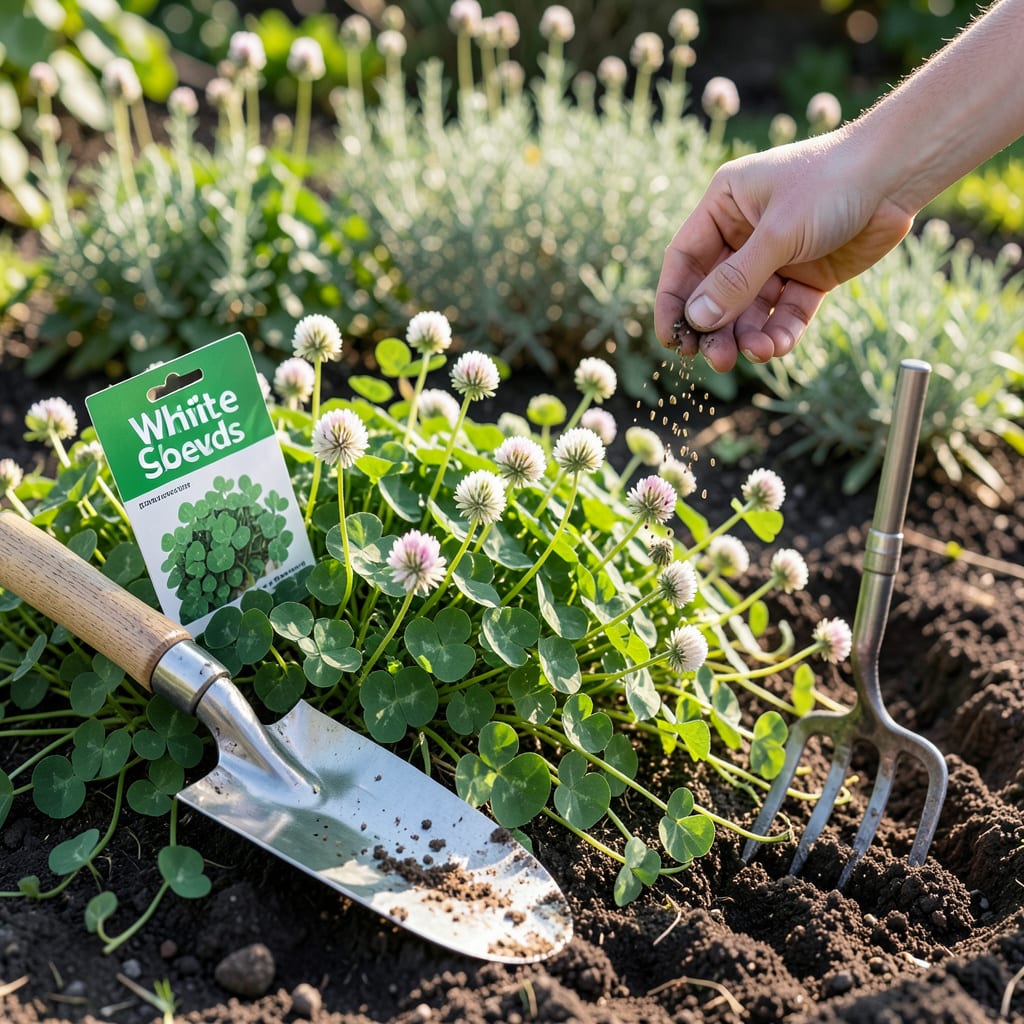
Timing your 🍀 clover planting in Missouri can mean the difference between a thriving pasture and a disappointing patch. Our state’s unpredictable swings from late frosts to summer scorchers make nailing that planting window crucial.
Whether you’re sowing for forage, erosion control, or pollinator support, I’ll break down the exact months—and red flags—to watch for. You’ll learn why August-September often beats spring, plus how to work around Missouri’s clay-heavy soil. Let’s get it right the first time.
If you’re planting clover in Missouri, timing can make or break your success. Our state’s USDA zones 5b–7a mean frost dates vary wildly—from early April in the Bootheel to mid-May up north. I’ll break down the exact windows for spring and fall planting, so you avoid costly mistakes.
Missouri’s humid continental climate throws curveballs like clay-heavy soil and unpredictable rainfall. Whether you’re growing white clover for pastures or crimson clover as a cover crop, soil temps must hit 50°F+ for germination. Let’s dig into the details.
| Region | Spring Planting | Fall Planting | Best Clover Types |
|---|---|---|---|
| Northern MO (Zone 5b-6a) | April 15–May 15 | Aug 15–Sep 15 | White, Red, Alsike |
| Central MO (Zone 6b) | March 20–April 30 | Aug 10–Sep 20 | White, Crimson, Ladino |
| Southern MO (Zone 7a) | March 1–April 1 | Aug 1–Sep 10 | Crimson, Arrowleaf, Subterranean |
| Bootheel (Zone 7a) | Feb 20–March 20 | July 20–Aug 30 | Crimson, Berseem, Ball |
🌡️ Soil Temp Threshold: 50°F+ for germination. ⚠️ Avoid: Planting when soil exceeds 85°F (summer dormancy risk).
In Northern Missouri, I recommend waiting until after April 15—the average last frost date—to sow clover. The soil warms slower here, so white clover or red clover are your best bets for resilience. Fall planting? Aim for late August to give roots time to establish before winter.
Down in the Bootheel, you’ve got a longer growing season, but watch for summer droughts. I’ve seen crimson clover thrive when planted in late February for spring growth or late July for fall establishment. The key? Moisture management—our clay soil drains poorly.
For Central Missouri (think Columbia or Jefferson City), March 20–April 30 is your spring sweet spot. Fall planting shines here—August 10–September 20 lets clover roots develop before the first frost. Ladino clover does exceptionally well in this region’s moderate climate.
No matter where you are, soil prep is critical. I always test pH (aim for 6.0–7.0) and amend with compost if needed. Clover fixes its own nitrogen, but inoculating seeds with rhizobia bacteria gives it a head start. Skip this, and you might see poor establishment.
If you’re planting for pasture or forage, white clover is my top pick—it’s perennial and handles grazing well. For cover crops, crimson clover grows fast and suppresses weeds. Just remember: fall-planted clover often outperforms spring sowings thanks to cooler temps and fewer weeds.
Watch the 10-day forecast before planting. If heavy rains are predicted, delay sowing—clover seeds can wash away or rot in waterlogged soil. Conversely, if drought is forecasted, irrigate lightly after planting to ensure germination. A light mulch (like straw) helps retain moisture in dry spells.
Finally, don’t overlook microclimates. If you’re in the Ozarks, your planting window might shift 2–3 weeks later than the rest of the state due to cooler temps. When in doubt, use a soil thermometer—it’s the most reliable way to know if conditions are right for your clover seeds.
Pro tip: Mix clover with ryegrass or fescue for a hardier pasture. The grass provides structure, while clover adds nitrogen and protein. Just be sure to mow or graze before clover flowers to prevent it from becoming invasive. 🌱
Planting clover in Missouri seems straightforward—until you hit one of these common pitfalls. I’ve seen even experienced gardeners struggle with poor germination or weak stands because of avoidable errors. Let’s tackle the top 5 mistakes and how to fix them before they wreck your clover crop.
First up: planting too early or late. Missouri’s unpredictable frosts can wipe out tender clover sprouts overnight. In Northern MO, sowing before April 15 risks frost damage, while Southern MO plantings after September 10 may not establish before winter. Timing isn’t just a suggestion—it’s your clover’s lifeline.
💡 Fix it fast: Test soil, inoculate seeds, and plant 4–6 weeks before first frost for fall sowings.
Another biggie: ignoring soil pH. Missouri’s clay-heavy soil often skews acidic, but clover demands a pH of 6.0–7.0. I once planted a field without testing—big mistake. The clover struggled, and weeds took over. Now, I test every spring and amend with lime if needed. A $20 soil test saves hundreds in wasted seed.
Skipping seed inoculation is like sending your clover into battle unarmed. Clover relies on rhizobia bacteria to fix nitrogen, but Missouri soils often lack the right strains. Always buy pre-inoculated seed or coat seeds yourself. I use a peanut butter-like slurry (inoculant + water) to ensure even coverage. Without this step, your clover may grow but won’t thrive.
Over-seeding is a sneaky problem. More seeds don’t mean better results—in fact, crowded clover competes for resources, leading to weak, disease-prone plants. Stick to 1–2 lbs per 1,000 sq ft for most varieties. If you’re overseeding into existing grass, cut the rate by 30% to avoid smothering. I learned this the hard way after a patchy, moldy mess my first year.
Finally, planting the wrong clover type for your goal is a recipe for disappointment. Need a perennial pasture? White clover is your workhorse. Want a fast-growing cover crop? Crimson clover shines. For wet areas, Alsike clover tolerates poor drainage better than others. Match the variety to your purpose, or you’ll fight an uphill battle.
Bonus tip: Don’t bury seeds too deep. Clover seeds are tiny and need light to germinate. I aim for ¼-inch depth max, then lightly rake or roll the soil to ensure good seed-to-soil contact. If you plant deeper, germination rates plummet. A lawn roller (half-filled with water) works perfectly for even pressure without compacting the soil too much.
Remember, clover is forgiving—but only if you avoid these traps. Test your soil, inoculate those seeds, and plant at the right time. Do this, and you’ll be rewarded with a lush, nitrogen-rich stand that outcompetes weeds and feeds your soil for years. 🌿
When it comes to planting clover in Missouri, the fall vs. spring debate is one I hear constantly. Both seasons have advantages, but the best choice depends on your goals, location, and clover type. Let me break down the pros and cons so you can decide which season gives your clover the best shot at success.
Fall planting is my personal favorite for most Missouri gardeners. The cooler temperatures and more consistent moisture create ideal conditions for clover to establish strong roots before winter. Plus, you’ll face fewer weeds competing with your new seedlings. But spring planting isn’t without its merits—especially for fast-growing varieties like crimson clover.
🌱 Best for Missouri: Fall planting wins for most perennial clovers; spring works best for annuals like crimson in Southern MO.
For Northern Missouri gardeners, I almost always recommend fall planting. The August 15–September 15 window gives clover enough time to establish before winter, and you’ll see earlier green-up next spring. Spring planting here can be risky—late frosts in May can damage young clover, and summer heat may stress plants before they’re fully established.
In Central and Southern Missouri, you have more flexibility. If you’re growing crimson clover as a cover crop, spring planting (March–early April) lets you take advantage of its fast growth before summer. But for pastures, fall planting still usually performs better. I’ve found that white clover planted in August in the Bootheel often outlasts spring-planted stands by 2–3 years.
The secret to successful spring planting? Soil preparation. Since you’re competing with weeds, I recommend
Clover seeds germinate best when soil reaches 50°F or higher. In Missouri, this typically aligns with spring (March–May) or late summer (August–September). Use a soil thermometer for accuracy—planting in cooler soil delays sprouting.
but amend the soil first. Clay drains poorly, so mix in compost or sand to improve texture. Aim for a pH of 6.0–7.0—test and adjust with lime if needed. Inoculating seeds also helps clover thrive in heavier soils.
Under ideal conditions, clover sprouts in 7–14 days and establishes a strong stand in 4–6 weeks. Fall-planted clover may grow slower but develops deeper roots before winter. Spring plantings grow faster but face more weed competition.
For grazing, white clover is the top choice—it’s perennial, drought-tolerant, and handles Missouri’s climate well. Red clover works too but may need reseeding every 2–3 years. Avoid annuals like crimson unless you’re using it as a cover crop.
Skipping seed inoculation! Clover needs rhizobia bacteria to fix nitrogen, and Missouri soils often lack it. Always use pre-inoculated seed or coat seeds yourself. Without it, clover grows weakly and struggles to compete with weeds.
