
Beautiful Plants For Your Interior
Beautiful Plants For Your Interior
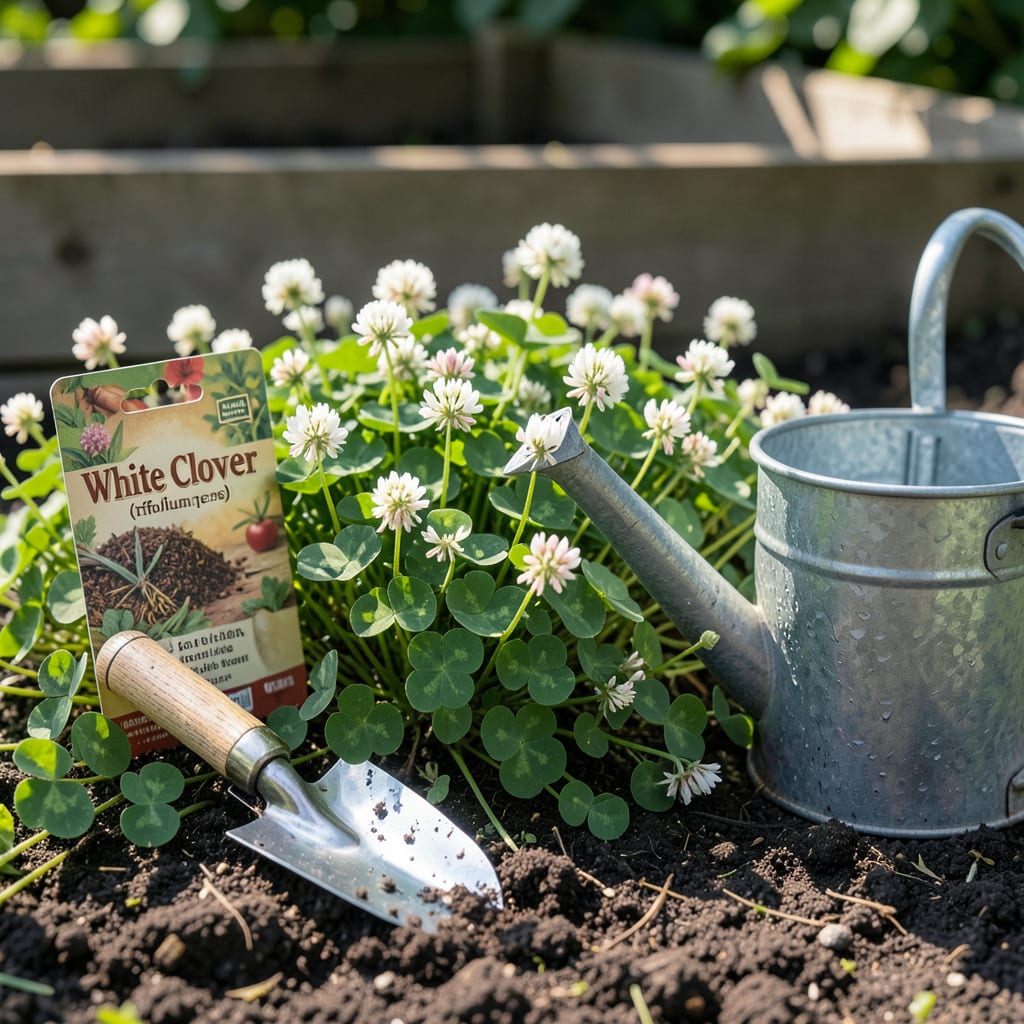
Timing can make or break your ☘️ clover success in Michigan—plant too early, and frost might wipe it out; wait too long, and you’ll miss the ideal growing window. I’ve seen firsthand how getting this right transforms patchy lawns into lush, green carpets.
After testing different approaches across Michigan’s unpredictable seasons, I’ll show you the perfect planting window for your zone. Whether you’re in the Upper Peninsula or Lower Peninsula, these insights will help you avoid costly mistakes and grow clover that thrives year after year.
Even experienced gardeners can stumble when planting clover in Michigan. The most common mistake I see is planting too late in fall—your seeds need at least 6-8 weeks before the first frost to establish strong roots. Michigan’s first frost dates vary, but October 15th is a safe cutoff for most areas.
Another critical error is ignoring soil pH levels. Clover thrives in 6.0–7.0 pH, but many Michigan soils lean acidic. I always recommend testing your soil first—you can grab a kit from your local MSU Extension office for accurate results.
Many gardeners also overlook seed depth. Clover seeds are tiny and only need 1/4 inch of soil coverage. Planting too deep is a guaranteed way to get poor germination. I use a lightweight rake to gently press seeds into the soil—no heavy tools needed.
Watering mistakes are another big issue. While clover needs consistent moisture, soggy soil leads to rot. Aim for 1 inch of water per week, including rainfall. Morning watering is best to prevent fungal diseases common in Michigan’s humid summers.
Don’t forget about companion planting! Pairing clover with grasses like fescue can improve success rates, but avoid aggressive spreaders like Kentucky bluegrass that may outcompete your clover. I’ve had great results mixing white clover with fine fescue for lawns.
Finally, watch out for herbicide residue if you’re converting a lawn to clover. Many common lawn treatments persist in soil for months. When in doubt, do a small test patch first—it could save your entire planting from failure.
By avoiding these common mistakes, you’ll give your Michigan clover the best chance to establish a thriving, nitrogen-rich ground cover that lasts for years. Remember, preparation is just as important as timing when it comes to clover success! 🌱
Getting your Michigan soil ready is the secret to lush clover growth. I always start with a soil test—our state’s soils vary from sandy in the west to clay-heavy in the east. You can get affordable test kits from your local MSU Extension office or garden centers.
Clover thrives in well-draining soil with a pH of 6.0–7.0. If your test shows acidic soil (common in Michigan), add lime to raise pH or sulfur to lower it. For clay soils, mix in compost or sand to improve drainage before planting.
For cover crop clover, I recommend broadcasting seeds at 2–4 lbs per acre. Use a seed spreader for even distribution, then lightly rake to cover seeds with 1/4 inch of soil. This protects them while allowing sunlight to reach the tiny seedlings.
If you’re planting clover in a lawn setting, mow existing grass short first. Then overseed with white Dutch clover at 1/4 lb per 1,000 sq ft. The short grass lets sunlight reach clover seedlings while providing some protection from wind and erosion.
Remember, Michigan’s spring rains can cause erosion. I always mulch lightly with straw after planting to protect seeds. For fall plantings, water deeply once a week until frost—this helps roots establish before winter dormancy. Your preparation now means less maintenance later! 🌿
Late summer (August–early September) is often ideal because it gives clover 6–8 weeks to establish before winter. Spring planting works too, but requires careful timing after last frost (May 1). Fall plantings benefit from cooler temps and fewer weeds.
Clover seeds germinate best when soil reaches 50°F or higher. In Michigan, this typically happens in late April for southern areas and mid-May in the Upper Peninsula. Use a soil thermometer for accuracy—don’t guess!
June planting is risky but possible if you keep soil consistently moist. The challenge is Michigan’s summer heat, which can stress young seedlings. If attempting this, water daily and use shade cloth during peak sun. Early fall is a safer backup option.
Clay soil drains poorly, which can suffocate clover roots. Amend with compost or sand to improve drainage before planting. For heavy clay, consider raised beds or mixing in perennial ryegrass to loosen soil over time. Test pH too—clay often needs lime!
Established clover is hardy to Zone 4, but young plants need protection. Mulch with straw or leaves if snow is sparse. Snow acts as insulation—without it, extreme temp swings can damage roots. Winter survival improves dramatically if planted by early September.
