
Beautiful Plants For Your Interior
Beautiful Plants For Your Interior
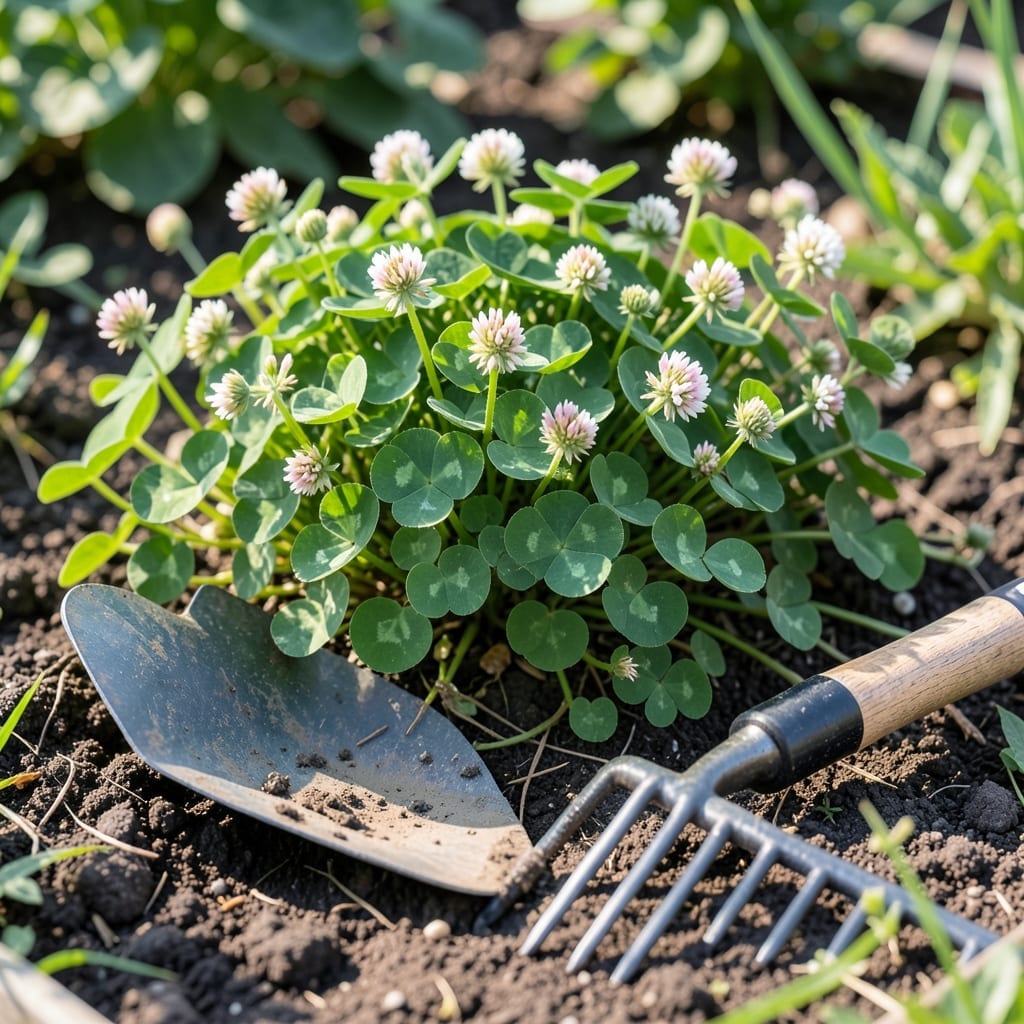
Timing is everything when planting clover in Indiana—get it right, and you’ll enjoy a lush, nitrogen-rich lawn or pasture. Plant too early or too late, and you risk poor germination or winter kill.
The 🍀 Clover thrives in Zone 5b-6a, but knowing the exact window can make all the difference. Whether you’re sowing white, red, or alsike varieties, the soil and climate conditions play a huge role.
I’ve tested different planting times in my own Indiana garden, and the results were eye-opening. The best months stretch from March to September, but there’s a sweet spot you don’t want to miss.
Let me walk you through the ideal timing, soil prep, and regional tips to ensure your clover flourishes. You’ll be amazed at how simple it can be.
Indiana’s Zone 5 climate offers two ideal windows for planting clover: early spring and late summer. I’ve found that timing aligns perfectly with soil temperatures between 40-60°F, which is critical for germination.
For white clover, aim for March to April or August to September. Red and alsike varieties also thrive in these windows but may need slightly warmer soil in spring. Avoid planting during summer’s peak heat, as it stresses young seedlings.
| Clover Type | Best Planting Months | Soil Temp Requirement |
|---|---|---|
| White Clover | March-April, August-Sept | 40-60°F |
| Red Clover | April-May, August-Sept | 45-65°F |
| Alsike Clover | April-May, Late August | 40-60°F |
In my experience, late summer planting often yields the best results. The soil retains warmth from summer, and cooler fall temperatures reduce weed competition. Just ensure you plant at least 6 weeks before the first frost, which hits around October 15 in most of Indiana.
Spring planting works well too, but I recommend waiting until after the last frost date, typically April 20 in Zone 5. This gives seeds a chance to establish before summer heat arrives. For both windows, soil moisture is key—dry conditions can delay germination.
White clover is the most forgiving, tolerating a wider range of conditions. Red clover prefers slightly warmer soil, so if you’re planting in early spring, consider starting indoors or using a cold frame to warm the soil first.
I always check the 10-day forecast before sowing. A sudden cold snap can set back young clover, while unexpected heat can dry out the soil. Aim for a stretch of mild, consistent weather to give your seeds the best start.
For those in southern Indiana, you might get away with planting a bit earlier in spring or later in fall due to slightly warmer temperatures. But in the northern part of the state, sticking to the standard windows is safest.
Don’t forget to prepare your soil ahead of time. I’ll cover that in detail in the next section, but for now, know that well-draining soil with a pH of 6.0-7.0 is ideal for all clover types. A simple soil test can save you a lot of trouble down the line.
Finally, remember that clover is a nitrogen-fixing plant, which means it improves your soil as it grows. Planting at the right time ensures it establishes well and starts benefiting your garden or pasture as soon as possible
🌱Planting clover in Indiana starts with proper soil prep. I always test my soil pH first—clover thrives in 6.0-7.0 range. If it’s too acidic, lime can help balance it out before sowing.
For best results, loosen the top 4-6 inches of soil and remove debris. Indiana’s clay and loam can be dense, so breaking it up helps roots establish faster. Don’t skip this step!
After soil prep, sow seeds at 1/4 inch depth. This shallow planting ensures good seed-to-soil contact without smothering them. I use a broadcast spreader for even distribution.
Indiana’s clay soils can hold moisture well, but overwatering risks rot. Aim for 1 inch per week, adjusting for rain. Morning watering helps prevent fungal issues. ☀️
Once planted, keep the area weed-free for the first 4-6 weeks. Clover seedlings are delicate and compete poorly with aggressive weeds. A light mulch can help suppress growth.
Finally, be patient—germination takes 7-14 days depending on variety. White clover sprouts fastest, while red clover may take a bit longer. You’ll see lush green growth soon enough! 🌱