
Beautiful Plants For Your Interior
Beautiful Plants For Your Interior
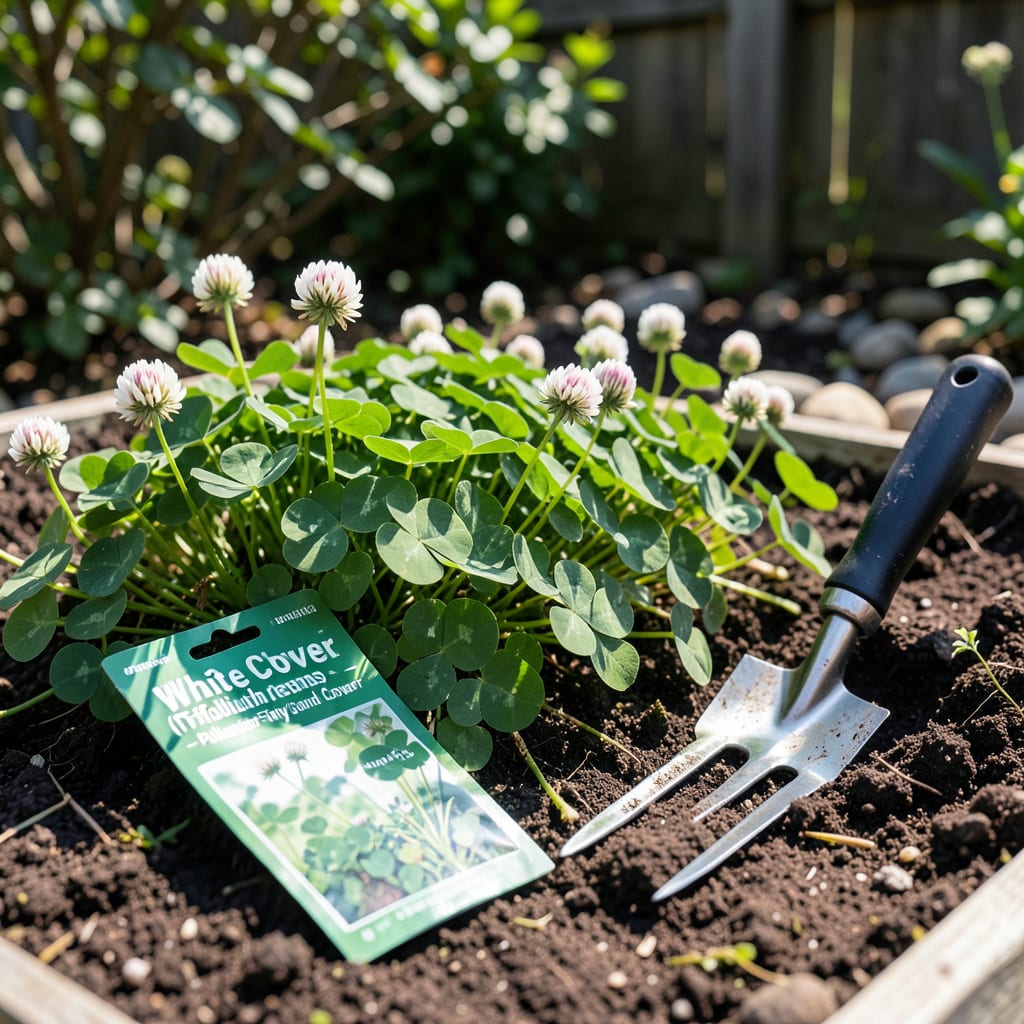
If you’ve ever watched your neighbor’s pasture thrive with lush 🌱 clover while yours struggles, timing might be your missing piece. Arkansas’s unique climate—from the Ozarks to the Delta—demands precise planting windows that most guides overlook.
I’ve dug into the data for zones 6b–8a to pinpoint exactly when to plant for maximum yield, whether you’re sowing white Dutch for grazing or crimson for winter cover. Let’s cut through the guesswork so your clover doesn’t just grow—it flourishes.
If you’re planting clover in Arkansas, timing isn’t just important—it’s everything. Our state’s USDA zones 5b–8a mean planting windows vary dramatically from the Ozark Mountains to the Mississippi Delta. Get it right, and you’ll enjoy lush, nitrogen-rich pastures or vibrant cover crops.
Arkansas’s last frost dates range from early April in the south to mid-May in the north. For fall planting, aim for 6–8 weeks before first frost (typically October 15–November 15). Soil temps must stay above 50°F for germination.
In Northern Arkansas (Zones 5b-6a), spring planting should wait until soil reaches 50°F—usually mid-April. Here, white Dutch clover thrives because it tolerates cooler springs and clay-heavy soils common in the Ozarks.
For Central Arkansas (Zones 6b-7a), crimson clover is my top pick for fall planting. Sow by September 15 to establish roots before winter. This variety explodes with growth in early spring, perfect for cover crops or wildlife plots.
Down in the Delta (Zones 7b-8a), our warmer climate allows earlier spring planting (as early as February 15). Berseem clover loves the humid summers here but needs well-drained soil—amend with sand or compost to combat clay.
Pro tip: Always inoculate your clover seed with the correct rhizobium bacteria for your variety. This ensures nitrogen fixation works properly. Test your soil pH too—clover prefers 6.0–6.5. Arkansas’s acidic soils often need lime applications before planting.
If you’re planting for pasture improvement, mix red and white clover with orchardgrass or fescue. For cover crops, crimson clover alone works wonders. Remember, fall-planted clover often outperforms spring plantings due to cooler establishment periods.
Watch the 10-day forecast before sowing. Clover seeds need consistent moisture for the first 2–3 weeks. In Arkansas’s unpredictable springs, I recommend irrigation backup if rain is scarce. Mulch lightly with straw to retain moisture without smothering seeds.
Finally, avoid planting during summer heat—clover struggles to germinate above 85°F soil temps. If you miss your window, consider overseeding into an existing grass stand in late winter for a spring boost. Happy planting! 🌱
Even with perfect timing, your Arkansas clover crop can fail if you overlook these common pitfalls. I’ve seen too many pastures struggle because of simple preventable errors. Let’s fix that before you sow your first seed.
The biggest mistake? Ignoring soil pH. Arkansas soils often test below 6.0, but clover needs 6.0–6.5 to thrive. Always test your soil and amend with pelletized lime if needed—it takes months to adjust pH.
Another frequent issue: planting too deep. Clover seeds are tiny and need light to germinate. I use a brill seeder for perfect depth, but if broadcasting, barely cover seeds with 1/4 inch of soil. Press them in firmly with a lawn roller.
Never skip seed inoculation. This step adds nitrogen-fixing bacteria that clover needs to grow. Buy pre-inoculated seed or mix with the right rhizobium strain before planting. Without it, your clover won’t access nitrogen, leading to weak, yellow plants.
Arkansas’s clay-heavy soils cause special problems. In the Delta region, poor drainage can rot seeds. Amend with compost or sand before planting. In the Ozarks, rocky soil may need extra seed (up to 20% more) for good coverage.
Finally, watch your watering schedule. Clover needs consistent moisture for the first 3 weeks, but never let soil stay soggy. In Arkansas’s humid summers, morning watering prevents fungal issues. Use soaker hoses to keep foliage dry.
If you’re overseeding into existing grass, mow low first and reduce competition. I’ve found late winter (February) works best for this method in most zones. Avoid planting during summer droughts—wait for cooler temps and reliable rainfall. 🌱
Not all clover thrives equally in Arkansas’s diverse climate zones. From the cool Ozark highlands to the humid Delta, selecting the right variety makes all the difference. Let me break down the top performers and when to plant them for maximum success.
For grazing pastures, white Dutch clover reigns supreme. This perennial powerhouse tolerates heavy grazing and Arkansas’s clay soils. Plant it in early spring (March) or late summer (August) for best results. It’s my go-to for mixed grass stands.
For winter cover crops, crimson clover is unbeatable. Plant by September 15 in most zones to establish before frost. It fixes nitrogen beautifully and suppresses weeds. In Zone 8a, you can plant as late as October 15 and still get great results.
Red clover shines for hay production due to its tall growth and high protein content. I recommend planting in early spring (February-March) or late summer (August). It handles Arkansas’s summer heat better than most varieties, though it needs good drainage.
If you’re dealing with poor soils, subterranean clover is your secret weapon. This self-seeding annual thrives where others struggle. Plant in fall (September-October) and let it reseed naturally. It’s perfect for low-maintenance pastures and erosion control on slopes.
Remember, variety selection should match your specific goals. For wildlife food plots, mix crimson and white clover. For bee pastures, add alsike clover to your blend. Always check the seed tag for the latest inoculant requirements—some newer varieties need specific strains. 🌿
Clover seeds germinate best when soil reaches 50°F or higher. In Arkansas, this typically occurs in early spring (March-April) or late summer (August-September). Use a soil thermometer to check before sowing.
Avoid summer planting—clover struggles to germinate when soil temps exceed 85°F. The heat stresses seedlings, leading to poor establishment. Stick to spring or fall for best results.
Clover seeds need light to germinate, so plant no deeper than 1/4 inch. For broadcasting, lightly rake or roll to ensure good seed-to-soil contact. Too deep = poor sprouting.
Test your soil first! Arkansas soils often need lime to raise pH (6.0–6.5 ideal). Skip nitrogen fertilizer—clover fixes its own. Phosphorus/potassium may help based on test results.
Subterranean clover thrives in low-fertility soils and reseeds naturally. It’s perfect for Arkansas’s clay-heavy or rocky areas. Plant in fall for spring benefits.
