
Beautiful Plants For Your Interior
Beautiful Plants For Your Interior
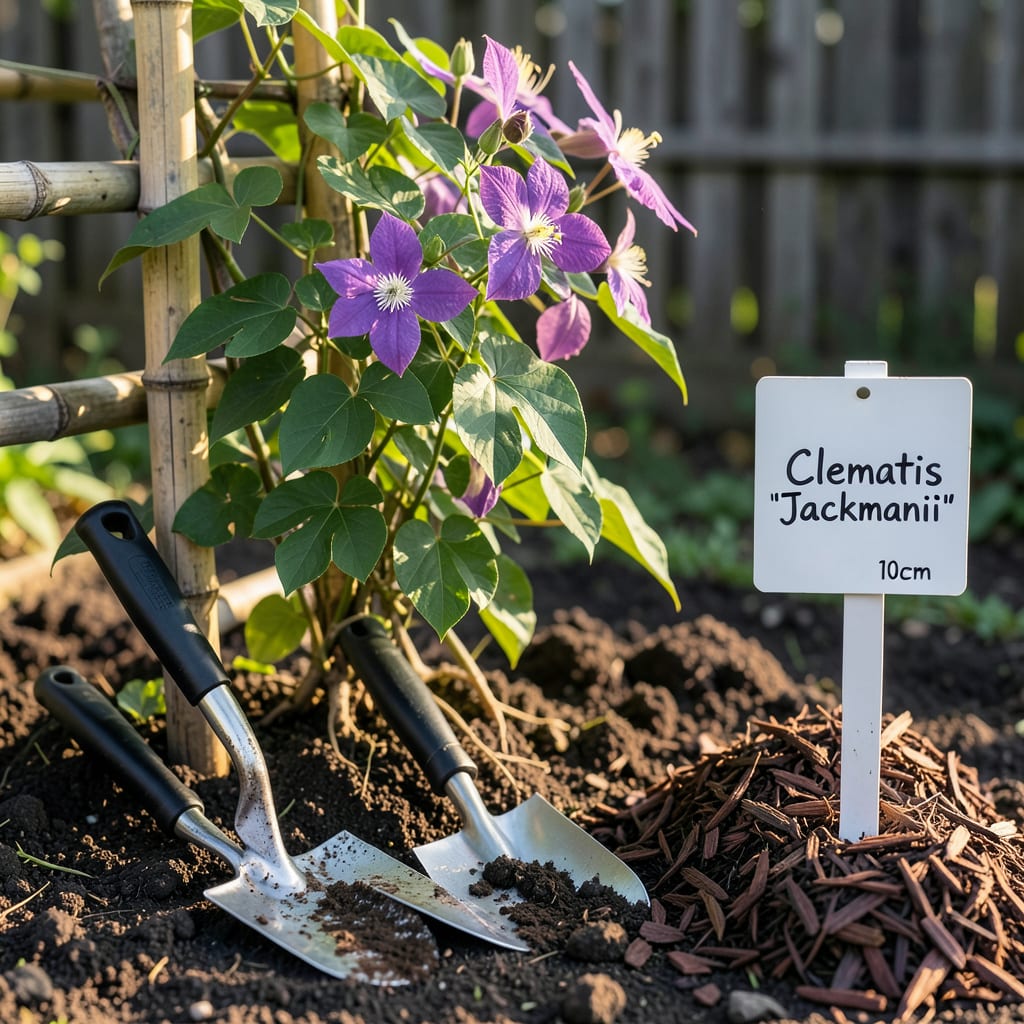
Timing can make or break your 🌸 Clematis in Zone 7—plant too soon, and late frosts might ruin your efforts. Wait too long, and the summer heat could stress young vines before they establish roots.
After years of testing, I’ve found the perfect window to set your Clematis up for success. Let me show you exactly when to dig in—and why those extra few weeks can mean the difference between lackluster growth and a cascade of vibrant blooms.
In Zone 7, timing your clematis planting is all about balancing frost risks and root establishment. The sweet spot? Early spring (March–April) or early fall (September–October). Both seasons offer unique advantages, but your choice depends on your garden’s microclimate and goals.
Spring planting lets vines take advantage of cool, moist soil before summer heat hits. Fall planting, meanwhile, gives roots a head start before winter dormancy. I’ll break down both options so you can decide which works best for your garden. 🌱
| Season | Best Months | Pros | Cons |
|---|---|---|---|
| Early Spring | March–April | Blooms first year, avoids summer stress | Risk of late frosts |
| Early Fall | September–October | Stronger roots, less watering | Blooms delayed until next year |
For spring planting, aim for 2–3 weeks after the last frost (around April 15 in Zone 7). The soil should be workable and at least 50°F. This timing lets roots settle before summer’s 90°F+ heat, which can stress young plants.
If you choose fall planting, get vines in the ground by mid-October. This gives roots 6–8 weeks to establish before winter. I’ve found fall-planted clematis often outperforms spring-planted ones in the long run, thanks to deeper root systems. 🌿
Microclimates matter! Urban gardens or south-facing walls may warm up faster, letting you plant 2–3 weeks earlier in spring. Shady spots or windy areas might need adjustments—consider planting 1–2 weeks later to avoid cold snaps.
Soil temperature is your best guide. Use a soil thermometer to check—60°F is ideal. If you’re planting bare-root clematis, soak roots for 1–2 hours before planting to rehydrate them. This small step makes a big difference in Zone 7’s variable spring weather.
Don’t forget support structures! Install trellises or arbors at planting time to avoid disturbing roots later. Clematis vines need something to climb immediately—even young plants will start twining within weeks of planting in Zone 7’s growing conditions. ✂️
For container-grown clematis, you’ve got more flexibility. These can go in the ground anytime from March through May or September through November. Just avoid planting during July–August heatwaves, which can shock plants.
Remember: Fall-planted clematis needs winter mulch (2–3 inches of straw or shredded leaves) to protect roots from freezing/thawing cycles. Spring-planted vines benefit from shade cloth during their first summer to prevent scorching. ☀️
No matter when you plant, consistent moisture is key for the first year. Water deeply 2–3 times per week (about 1–2 gallons per plant) unless rain provides an inch of water. This encourages roots to grow deep, making your clematis more drought-resistant in future summers. 💧
Planting clematis in Zone 7 isn’t just about timing—it’s about preparing the right environment for these climbing stars. I’ve found that site selection and soil prep make all the difference between a struggling vine and a thriving, flower-covered showstopper.
Start by choosing a spot with 6+ hours of sunlight, preferably morning sun and afternoon shade. Clematis loves cool roots, so I always pair it with low-growing companions like lavender or hostas to shade the base. 🌱
In Zone 7’s clay-heavy soils, I recommend amending with perlite or coarse sand to improve drainage. Clematis hates “wet feet,” so if your soil stays soggy, consider planting on a slight mound or in a raised bed.
For container planting, choose a pot at least 18 inches deep with drainage holes. Use a high-quality potting mix and add a small trellis or obelisk. Container-grown clematis in Zone 7 needs daily watering in summer and winter protection (move pots to a sheltered spot).
After planting, prune lightly to encourage bushier growth. Remove any weak or damaged stems, and trim back long shoots by one-third. This might feel counterintuitive, but it stimulates new growth and more blooms in the long run. ✂️
Don’t forget wind protection! Zone 7 can have unpredictable spring gusts. I use burlap wraps or temporary windbreaks for the first few weeks until vines establish. For fall-planted clematis, add an extra 4–6 inches of mulch after the ground freezes to insulate roots.
Finally, label your plants with the variety name and planting date. Clematis can take 2–3 years to mature, and knowing the exact type (Group 1, 2, or 3) helps with future pruning. With these steps, your clematis will reward you with decades of stunning blooms! 🌿
Even experienced gardeners can make costly mistakes with clematis in Zone 7. I’ve seen firsthand how small errors during planting can lead to weak growth, fewer blooms, or even plant loss. Let’s tackle the biggest pitfalls so your vines thrive for years. 🌱
One of the most common issues? Planting too shallow. Clematis needs its first set of leaves buried to encourage strong root development. Skipping this step often results in weak, top-heavy vines that struggle in Zone 7’s summer winds.
Another critical error is misjudging variety hardiness. Not all clematis handle Zone 7’s temperature swings equally. For example, Group 1 varieties (like Clematis montana) bloom on old wood and need no pruning, while Group 3 (like ‘Jackmanii’) can be cut back hard in late winter. ✂️
Zone 7 gardeners often underestimate the importance of wind protection. Young clematis vines can snap in spring gusts. I recommend using burlap screens or planting near a windbreak like a fence or shrub until vines mature and toughen up.
Soil preparation mistakes can haunt you for years. Many gardeners skip soil testing, but clematis hates alkaline soil. If your pH is above 7.0, amend with sulfur or peat moss before planting. In Zone 7’s clay-heavy areas, mix in perlite or compost to improve drainage. 🌿
Finally, don’t forget about long-term care. Clematis planted in Zone 7 needs consistent moisture for the first year—1–2 gallons weekly unless rain provides an inch. After establishment, they’re drought-tolerant but perform best with deep watering every 10 days during dry spells.
Both seasons work, but fall planting often gives stronger roots. The cooler temps and consistent moisture help roots establish before winter dormancy. Spring planting means blooms the first year, but you’ll need to watch for late frosts.
Plant 2–3 inches deeper than the pot’s soil line. Burying the first set of leaves encourages stronger root growth and protects stems. This extra depth helps clematis handle Zone 7’s summer heat and winter swings.
Skipping support structures at planting time. Clematis needs to climb immediately—install trellises or arbors before planting to avoid damaging roots later. Without support, vines tangle and struggle to establish properly.
Use a pot at least 18 inches deep with drainage holes. Container-grown clematis in Zone 7 needs daily watering in summer and winter protection (move pots to sheltered spots). Choose dwarf varieties for best results.
