
Beautiful Plants For Your Interior
Beautiful Plants For Your Interior
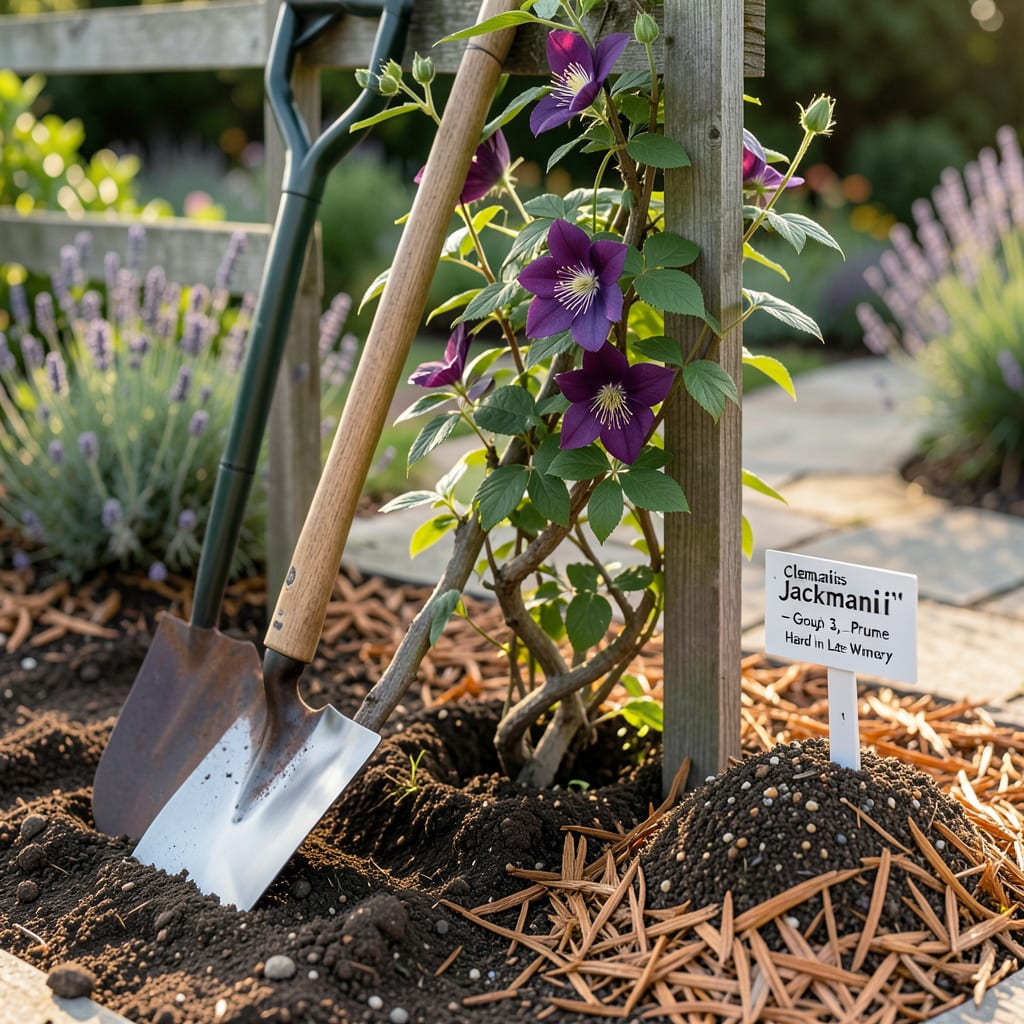
Imagine your garden bursting with vibrant clematis blooms—but only if you nail the timing. In Zone 6, planting too early or late can leave your vines struggling instead of thriving.
I’ve seen gardeners make this mistake, and it’s heartbreaking when those stunning flowers never appear. Let’s cut through the guesswork: I’ll show you the exact windows for spring and fall planting in Zone 6, so your 🌿 clematis gets the strongest start possible.
If you’re growing clematis in Zone 6, timing your planting can make or break your vine’s success. I’ve found that early spring and early fall are the sweet spots—both give roots time to establish before extreme temperatures hit. The key is working around our last frost date (April 15) and first frost (October 15).
Spring planting lets clematis take advantage of warming soil and longer daylight to fuel growth. But fall planting has its perks too—cooler temps reduce transplant shock, and roots develop without the stress of summer heat. The trick is avoiding late fall planting when roots won’t have time to settle before winter.
| Planting Season | Pros | Cons | Best For |
|---|---|---|---|
| Early Spring (April-May) |
✅ Full growing season ✅ Warmer soil speeds root growth |
⚠️ Risk of late frosts ⚠️ Requires more watering |
Gardeners who want first-year blooms and can protect from late cold snaps |
| Early Fall (September-October) |
✅ Cooler temps reduce stress ✅ Roots establish before winter |
⚠️ Limited above-ground growth ⚠️ Must plant 6+ weeks before frost |
Those prioritizing strong root systems for next year’s explosive growth |
For spring planting, I recommend waiting until soil temps reach 50°F—usually late April in Zone 6. This ensures roots won’t sit dormant in cold ground. If you’re planting bare-root clematis, soak the roots for 2-3 hours first to rehydrate them. Container-grown plants can go in slightly earlier since their roots are already active.
Fall planting requires a different approach. Aim for early September to give roots 6-8 weeks before the ground freezes. I’ve had great success with this timing because the soil stays warm while air temps cool—perfect conditions for root development. Just be sure to mulch heavily (3-4 inches) after planting to insulate roots over winter.
One mistake I see Zone 6 gardeners make is planting in late spring or summer. The heat stresses new plants, and they often struggle to establish. If you miss the ideal windows, consider container planting first. Keep your clematis in a pot until temperatures moderate, then transplant in early fall.
Remember that microclimates matter in Zone 6. South-facing walls or urban areas may warm up faster, allowing slightly earlier planting. Conversely, low-lying areas that stay cold longer might need delayed planting. I always recommend using a soil thermometer to take the guesswork out of timing.
For both seasons, prepare your site by working in 2-3 inches of compost to improve drainage. Clematis hate wet feet! I also dig the planting hole twice as wide as the root ball but no deeper. This encourages roots to spread outward rather than circling.
After planting, water deeply to settle the soil and eliminate air pockets. For spring plantings, I water twice weekly unless we get significant rain. Fall plantings need less frequent watering as temperatures drop, but don’t let the soil dry out completely before winter.
Whether you choose spring or fall, the most critical factor is giving your clematis time to establish before stress periods. In Zone 6, that means avoiding planting during summer heat waves or right before winter. Follow these windows, and you’ll be rewarded with vigorous vines and spectacular blooms for years to come. 🌿
Planting clematis outside the ideal windows in Zone 6 can lead to serious setbacks. I’ve seen gardeners lose entire vines because they planted too late in fall or during summer’s peak heat. The root system is particularly vulnerable when temperatures are extreme.
If you plant too early in spring before soil temps reach 50°F, your clematis may sit dormant or even rot. Conversely, planting after June 1 means battling heat stress. The vine will focus on survival rather than establishing roots, leading to stunted growth and fewer blooms.
Rescue tip: Use shade cloth for summer plantings or mulch heavily (4-6″) for late fall attempts.
Fall planting after October 1 is especially risky. The first frost (October 15 in Zone 6) can damage tender new roots. I once planted a clematis in late October, and despite mulching, it didn’t survive winter. The roots simply didn’t have enough time to establish.
Summer planting brings different challenges. Clematis planted in July or August often develop yellowing leaves and drooping vines within weeks. The heat causes moisture stress, and the plant can’t keep up with water demands. If you must plant in summer, choose a north-facing spot and water daily.
Watch for these distress signals if your timing was off: wilting despite moist soil, leaf edges turning brown, or no new growth after 3 weeks. For heat-stressed plants, I recommend temporary shade (30-50% coverage) and evening misting to cool foliage. Cold-damaged vines may need pruning back to healthy wood.
Remember that container-grown clematis gives you more flexibility. If you miss the ideal window, keep your plant in its pot until conditions improve. I’ve successfully overwintered potted clematis in an unheated garage, then transplanted in early spring when soil was workable. 🌱
Both seasons work well, but early fall (September-October) often gives roots a head start before winter. Spring planting (April-May) lets vines establish during the growing season. Fall wins for less watering stress, while spring offers faster visible growth.
Aim for 6 weeks before first frost (around September 1 in Zone 6). This gives roots time to establish before soil freezes. Planting after October 1 risks winter damage, as roots need 4-6 weeks to settle in.
Summer planting is risky due to heat stress. If necessary, choose container-grown plants and provide afternoon shade. Water daily and mulch heavily. For bare-root, wait until fall or keep potted until conditions improve.
Cover with frost cloth or a lightweight blanket during cold snaps. Apply 3-4 inches of mulch around the base (keep it away from stems). Planting near a south-facing wall also provides extra warmth.
Cold soil (below 50°F) can cause roots to rot or remain dormant. Always check soil temperature with a thermometer before planting. If soil is too cold, wait or start plants in containers indoors.
