
Beautiful Plants For Your Interior
Beautiful Plants For Your Interior
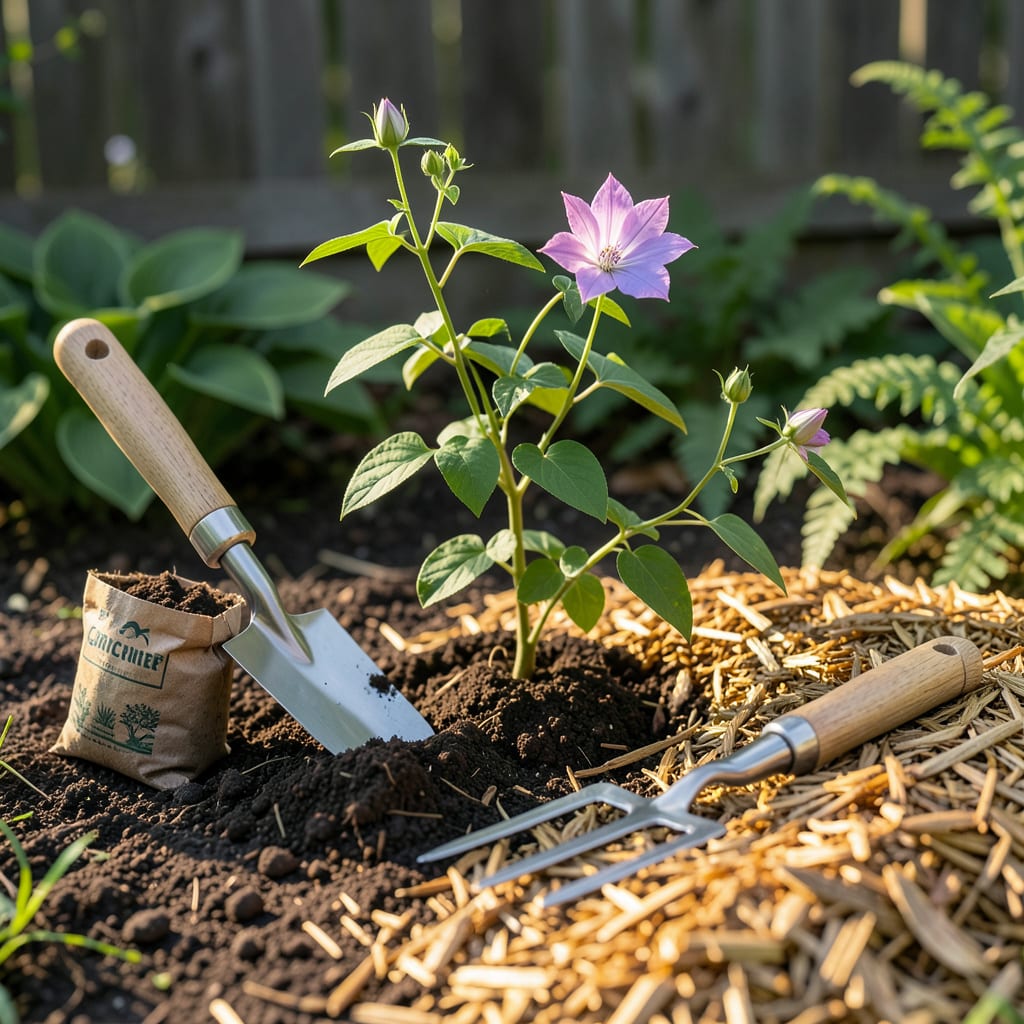
Timing can make or break your 🌸 clematis in Zone 5—plant too soon, and frost might ruin your vines; wait too long, and they’ll struggle to take root before winter. I’ve seen gardeners make this mistake year after year, but the good news? There are two perfect windows to get it right.
Whether you’re planting in spring or fall, knowing the exact timing for Zone 5’s climate is the key to lush, thriving vines. I’ll walk you through the best months, what to watch for, and how to set your clematis up for success from day one. Let’s get those blooms climbing!
If you’re growing clematis in Zone 5, timing your planting can make or break your success. This hardy vine thrives when given the right start, and in our climate, that means choosing between two key windows: early spring or early fall. Both seasons offer advantages, but they cater to different goals.
Zone 5’s last frost date (around April 15) and first frost (near October 15) create a tight schedule. Plant too early in spring, and tender new growth risks frost damage. Wait too late in fall, and roots won’t establish before winter. Let’s break down the best approach for each season.
For spring planting, I recommend targeting late April through early May. This gives your clematis 6+ months to establish roots before winter. The key is waiting until soil temps hit 50°F—use a soil thermometer if you’re unsure. Early-flowering varieties (Group 1) benefit most from spring planting.
If you choose fall planting, aim for September through early October. This timing allows 4–6 weeks of root growth before the ground freezes. Fall-planted clematis often bloom more vigorously the following year. Just avoid planting after October 15—roots need time to settle in.
Your clematis pruning group also influences timing. Group 1 (early bloomers) do best with fall planting, while Group 2 or 3 (summer/fall bloomers) can handle either season. Always check your variety’s specific needs before deciding.
Remember that soil preparation matters more than the exact date. Work in 2–3 inches of compost before planting, and ensure your site has well-draining soil—clematis hate wet feet! A trellis or support should be in place at planting time to avoid disturbing roots later.
After planting, apply 2–3 inches of mulch to regulate soil temperature. In spring, use lighter mulch (like straw) to avoid trapping cold. In fall, opt for heavier mulch (wood chips) to insulate roots. Water deeply after planting and maintain consistent moisture for the first month.
Zone 5 gardeners often ask: “Can I plant clematis in summer?” While possible, I don’t recommend it. The heat stress and need for constant watering make summer planting risky. If you must, choose a cool, overcast day and provide temporary shade for the first week.
Whether you plant in spring or fall, the first winter is critical. Apply 4–6 inches of mulch around the base after the ground freezes, and consider wrapping the base with burlap if you’re in a windy area. This protection helps prevent winter heaving, which can damage young roots.
By following these seasonal guidelines, you’ll give your clematis the strongest start possible in Zone 5. The reward? Years of vibrant blooms climbing your trellises, fences, or arbors. Next, let’s dive into the step-by-step planting process to ensure your vines thrive from day one.🌸
Now that you know when to plant clematis in Zone 5, let’s focus on how to plant them for long-term success. I’ve found that proper site selection and soil prep make all the difference in our climate. Start by choosing a location with 6+ hours of sunlight daily—morning sun is ideal to protect blooms from afternoon heat.
Before digging, test your soil’s drainage by filling the planting hole with water. If it drains within 2–3 hours, you’re good to go. For heavy clay soils common in Zone 5, I recommend amending with compost and coarse sand to improve drainage. Clematis roots need consistent moisture but despise soggy conditions.
In Zone 5, I always recommend adding a low-nitrogen fertilizer (5-10-10) at planting time. Work 2 tablespoons into the soil around the root zone, then water thoroughly. Avoid high-nitrogen mixes—they promote leafy growth at the expense of flowers. For container-grown clematis, use a slow-release fertilizer instead.
One Zone 5-specific trick I swear by: protect new plantings from late spring frosts with frost cloth or a cardboard box. Even established clematis can suffer bud damage from unexpected cold snaps. For fall plantings, add an extra 4–6 inches of mulch after the ground freezes to prevent winter heaving.
Remember that clematis are heavy feeders once established. Plan to fertilize every 4–6 weeks during the growing season, tapering off by late summer. I use a balanced 10-10-10 fertilizer in spring, then switch to a low-nitrogen mix (0-10-10) as flowering begins.
For the first year, focus on root development rather than blooms. Remove any flowers that form to direct energy underground. By year two, you’ll be rewarded with abundant blooms climbing your supports. The key is patience—clematis in Zone 5 often take a full year to show their true potential.🌿
Even experienced gardeners can make critical errors when planting clematis in Zone 5. The first mistake I see most often is planting too shallow. Clematis need their crowns buried 2–3 inches deeper than the pot level to protect against our region’s temperature swings and encourage strong stem growth.
Another common pitfall is ignoring wind exposure. Zone 5’s spring storms can snap tender new vines before they establish. I always recommend placing your clematis near a windbreak or using a sturdy trellis that won’t sway in strong gusts. Young plants are especially vulnerable until their root systems develop.
The third mistake that sabotages many Zone 5 clematis is over-fertilizing in fall. While it’s tempting to give plants a nutrient boost before winter, this actually delays dormancy. I stop all fertilizing by late August to let my clematis naturally prepare for cold weather. Use a low-nitrogen fertilizer (5-10-10) only during the growing season.
Many gardeners also overlook proper support installation. Clematis vines need something to climb from day one. I’ve seen too many plants struggle because their trellis was added months after planting, disturbing established roots. Install your trellis, arbor, or fence before planting to avoid this issue.
Finally, don’t neglect winter protection for young plants. Even established clematis benefit from 4–6 inches of mulch after the ground freezes. In windy areas, I wrap the base with burlap to prevent winter heaving. This extra care in the first year pays off with stronger, more resilient vines.🌱
By avoiding these common mistakes, you’ll set your Zone 5 clematis up for years of spectacular blooms. Remember that patience is key—these vines often take a full year to show their true potential, but the wait is always worth it when those first vibrant flowers appear climbing your supports.🌸
Both seasons work well, but fall planting (September–early October) often gives stronger results. The cooler temps reduce transplant shock, and roots establish before winter dormancy. Spring planting (April–early May) is great for early blooms but requires frost protection.
Plant 2–3 inches deeper than the pot level to protect the crown from Zone 5’s temperature swings. This encourages stronger stem growth and prevents winter dieback. Use a soil mound at the hole’s base to guide roots downward.
Planting too shallow is the most common error. Clematis need their crowns buried deeper to develop strong roots. Also, many forget to install supports before planting, which disturbs roots later when vines start climbing.
Cover new plantings with frost cloth or a cardboard box during cold snaps. For established plants, apply 4–6 inches of mulch after the ground freezes. In windy areas, wrap the base with burlap to prevent winter heaving.
It’s risky in Zone 5 due to heat stress, but possible if you choose a cool, overcast day. Provide temporary shade for the first week and water daily. Summer-planted clematis need extra attention to establish before winter.
