
Beautiful Plants For Your Interior
Beautiful Plants For Your Interior
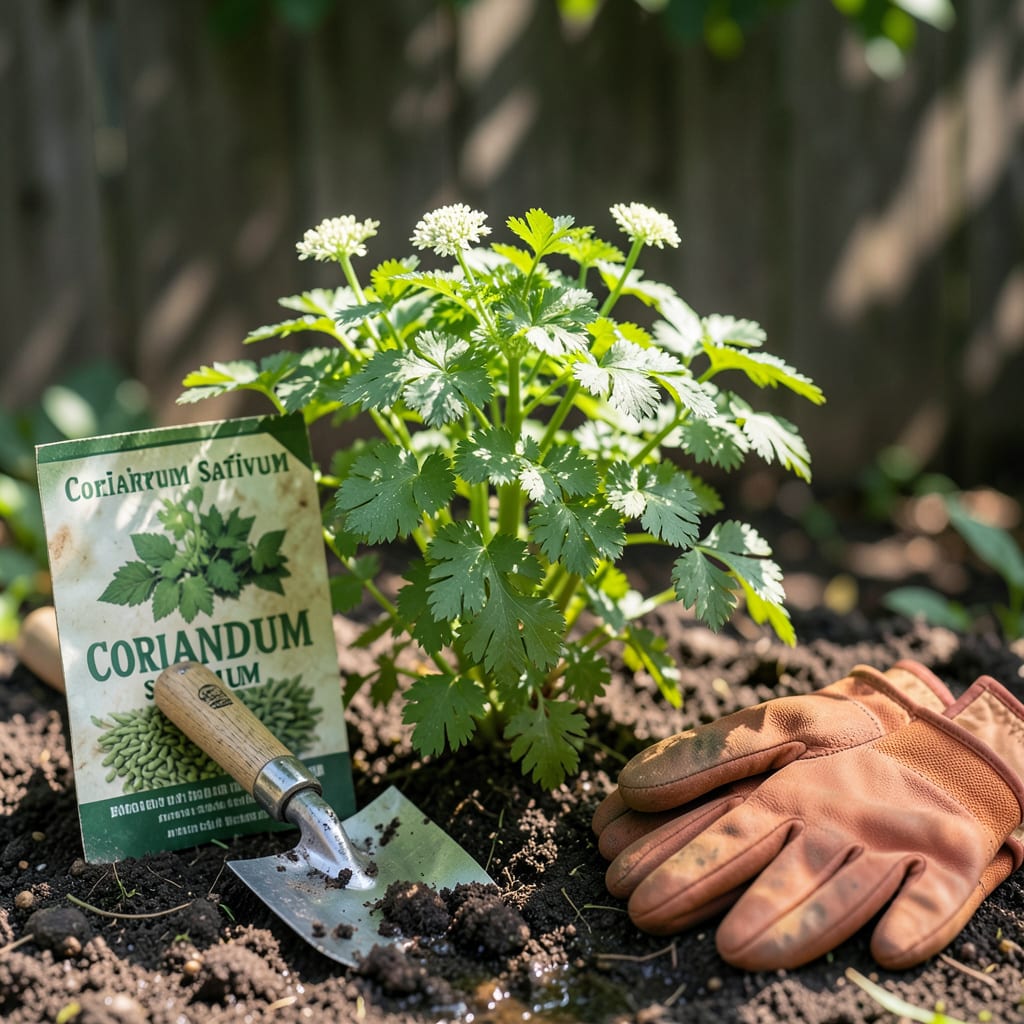
If you’ve ever planted 🌿 cilantro in Texas only to watch it bolt before you could harvest, you know timing isn’t just important—it’s everything. Our state’s wild temperature swings mean the difference between lush, leafy plants and disappointing seed stalks.
I’ve tested planting windows across Texas zones, and what works in Dallas won’t cut it in Houston. Whether you’re in 8a-9b or battling urban heat islands, I’ll show you exactly when to sow for spring and fall harvests—plus how to outsmart Texas weather for cilantro all season long.
If you’ve ever tried growing cilantro in Texas, you know it’s a race against the heat. This finicky herb thrives in cool weather but bolts faster than a jackrabbit when temperatures climb. The secret? Planting at the right time for your specific Texas zone.
Texas spans USDA zones 6a-10a, meaning what works in Amarillo won’t fly in Brownsville. I’ll break down the exact planting windows for each region, so you can enjoy fresh cilantro without the heartbreak of premature flowering. Let’s dig into the data!
| Zone | Spring Planting | Fall Planting | Notes |
|---|---|---|---|
| 6a-7a (Panhandle) |
March 15–April 1 | August 15–September 1 | Avoid late spring planting—heat arrives fast! |
| 7b-8a (DFW, Austin) |
February 15–March 15 | September 15–October 15 | Use 30% shade cloth for summer succession crops. |
| 8b-9a (San Antonio, Houston) |
January 30–February 28 | October 1–November 15 | Fall crops often outperform spring due to milder winters. |
| 9b-10a (RGV, Corpus) |
January 1–February 15 | October 15–December 1 | Can grow year-round with shade in summer. |
Pro Tip: All dates assume well-draining soil—adjust 2 weeks earlier for clay-heavy areas.
Notice how South Texas gardeners get a head start? That’s because their last frost dates arrive in late January, while North Texas might see frost through mid-March. I always recommend checking your local frost dates—a quick call to your county extension office can save your crop!
For Central Texas (zones 8a-8b), I’ve found February 15 is the sweet spot for spring planting. The soil is warming up, but you’ve still got 6-8 weeks before the 90°F temperatures hit. Fall planting here should wrap up by October 15 to establish roots before winter.
The Gulf Coast region (zone 9b) is unique—you can actually grow cilantro through winter! I’ve had success planting in December for a late-winter harvest. Just watch for unexpected cold snaps, which can stunt growth. A lightweight frost blanket works wonders here.
If you’re in the Panhandle (zone 6-7), your window is tighter. I recommend starting seeds indoors in late February to transplant out in March. Fall planting should happen by August 15—any later and you risk frost damaging young plants before they mature.
Remember, cilantro bolts when temperatures consistently exceed 80°F. In most of Texas, that means your spring-planted cilantro will start flowering by late April. That’s why I always plant a succession crop in early September for fall harvests.
For urban gardeners in Austin, Dallas, or Houston, watch out for heat islands. Concrete and asphalt can make your microclimate 5-10°F hotter than surrounding areas. If you’re gardening in pots on a patio, consider morning sun only and daily watering.
No matter your zone, soil prep is key. Texas soils tend to be alkaline and clay-heavy. I mix in 2-3 inches of compost and a handful of sulfur (to lower pH slightly) before planting. This gives cilantro the loose, fertile soil it craves while preventing nutrient lockout.
Want to stretch your harvest? Try ‘Santo’ or ‘Calypso’ varieties—they’re bred to resist bolting in heat. I’ll cover these and other Texas-tough varieties in the next section, along with where to source seeds locally. For now, mark those planting dates on your calendar! 🌱
Even with perfect planting timing, Texas heat can still sabotage your 🌿 cilantro. After testing dozens of tricks in my own garden, I’ve found three game-changing strategies that consistently extend harvests by 4-6 weeks. These methods work across all Texas zones!
The biggest challenge? Preventing bolting when temperatures spike. Cilantro starts flowering at 80°F, turning leafy plants into seed factories overnight. My first tip focuses on temperature control—because in Texas, it’s not if the heat comes, but when.
Bonus: All these methods work for parsley and dill too—other heat-sensitive herbs!
For pest control, I swear by neem oil sprays every 10 days. Texas gardens face aphids and leafhoppers that love cilantro’s tender leaves. Mix 1 tsp neem oil + 1 tsp dish soap per quart of water and spray at dusk.
Watering wisdom changes everything in Texas. Our clay soils hold moisture but drain poorly. I water deeply 2-3 times weekly, checking soil moisture with my finger. The goal: consistently moist but never soggy soil. Drip irrigation works best to avoid wetting leaves.
If you’re growing in containers, here’s my Texas-tested mix: 60% potting soil, 30% compost, and 10% perlite. This combo prevents compaction while retaining enough moisture. I add worm castings every 4 weeks for steady nutrition without overfeeding.
For urban gardeners, watch for heat islands near concrete. My Austin patio hits 110°F in summer! I moved pots to the east side of my house where they get morning sun only. This small change doubled my harvest window last year.
Remember: harvest regularly to delay bolting. I snip 1/3 of leaves weekly once plants reach 6 inches tall. This encourages bushier growth and gives you more cilantro before flowers appear. Store cut stems in water like flowers—they’ll stay fresh for days! 🌱
Not all 🌿 cilantro is created equal when facing Texas summers. After testing 12 varieties in my Central Texas garden, I’ve found three standout performers that laugh at heat waves. The right variety can mean 3-4 extra weeks of harvest before bolting ruins your crop.
Standard grocery store cilantro seeds often disappoint in our climate. I learned this the hard way when my first ‘Long Standing’ variety bolted at just 75°F. Now I only plant heat-tolerant cultivars bred for southern gardens. Let’s compare the best options for Texas growers.
Pro: Most reliable for Texas heat
Pro: Longest harvest window
Pro: Fastest to mature
All varieties: Perform best with morning sun and afternoon shade in Texas.
For North Texas gardeners (zones 6-7), I recommend ‘Slow Bolt’ because it matures quickly before summer heat arrives. In Central Texas (zones 8a-8b), ‘Santo’ gives the most consistent results across both spring and fall plantings.
South Texas growers (zones 9-10) should try ‘Calypso’—it handles the humidity and heat better than other varieties. I’ve successfully grown it through mild winters in San Antonio, harvesting from December through February when other varieties struggle.
Where to buy these seeds? I source from Texas-based suppliers like Wildseed Farms (Fredericksburg) and Native American Seed (Junction). Both offer organic, regionally-adapted seeds that outperform big-box store options. For urban gardeners, Dallas-based Ruibal’s Plants carries excellent starter plants.
For container gardeners, I’ve had great success with ‘Santo’ in 12-inch pots. Use a well-draining mix with extra perlite, and place pots where they get morning sun only. This setup thrived on my Austin balcony last summer, producing cilantro until early July with proper shading. 🌿
Planting after mid-March in most Texas zones means your cilantro will likely bolt before maturing. Once temperatures hit 80°F, the plant shifts energy to flowering instead of leaf production. Stick to early spring planting for best results.
Yes, but with adjustments! In zones 9b-10a (like the Rio Grande Valley), you can grow cilantro through winter. Use 30% shade cloth during summer months and plant in October-December for winter harvests. The mild climate allows for nearly continuous production.
This is called bolting, and Texas heat triggers it. When temperatures exceed 80°F, cilantro thinks it’s time to produce seeds. To delay this, plant in partial shade, keep soil consistently moist, and choose slow-bolt varieties like ‘Santo’ or ‘Calypso’.
In summer, water every 2-3 days (or daily during heat waves). Texas clay soil holds moisture but drains poorly, so check the top inch of soil. Morning watering is best to prevent evaporation. Drip irrigation works better than overhead watering to keep leaves dry and healthy.
For zones 6a-8a (Dallas, Fort Worth), I recommend ‘Slow Bolt’ cilantro. It matures quickly before summer heat arrives and handles unexpected late frosts better than other varieties. This gives you a reliable harvest window in both spring and fall plantings.
