
Beautiful Plants For Your Interior
Beautiful Plants For Your Interior
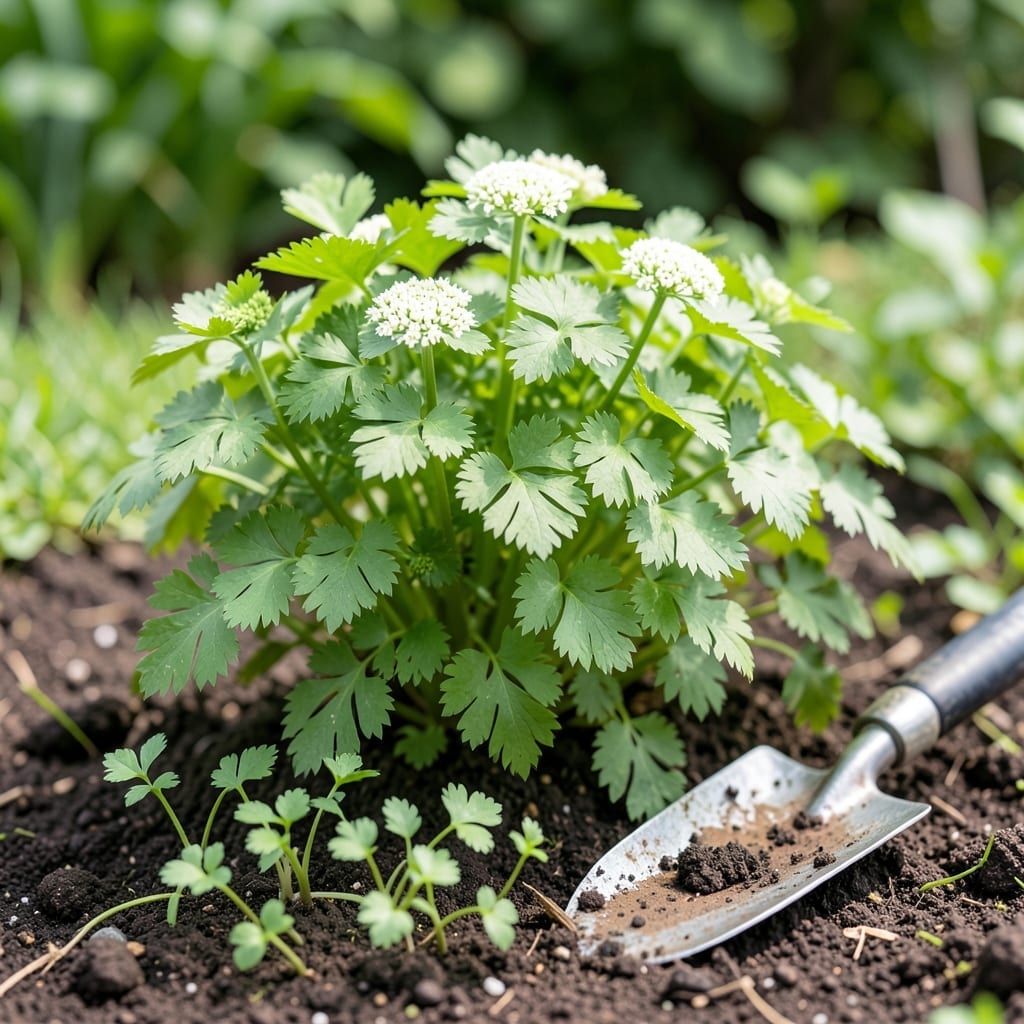
Cilantro thrives in Oregon’s mild climate, but timing is everything—plant too early or too late, and you’ll miss the perfect harvest window.
I’ve learned the hard way that 8b’s spring and fall windows are non-negotiable for this herb. Whether you’re in Portland or Eugene, nailing those dates means the difference between a bountiful 🌿 harvest and a sad, bolted plant.
Discover the exact months that work best for your area, and why they matter. It’s not just about frost dates—it’s about giving your cilantro the cool, stable conditions it craves.
Let me walk you through the most important details so you can plant with confidence and enjoy fresh leaves all season long.
Oregon’s diverse climate spans USDA zones 7-9, making cilantro planting times vary by region. This cool-season herb thrives in mild temperatures and struggles in heat, so timing is crucial for success.
In Zone 7 (e.g., parts of Eastern Oregon), plant cilantro March 15-April 15 for spring and August 15-September 1 for fall to avoid frost and bolting.☀️
| Zone | Spring Planting | Fall Planting | Notes |
|---|---|---|---|
| 7 | March 15-April 15 | August 15-Sept 1 | Avoid late frost |
| 8 | March 1-April 15 | August 1-Sept 15 | Longer growing season |
| 9 | February 15-March 30 | September 1-30 | Mildest winters |
For Zone 8 (Portland, Salem), cilantro does best planted March 1-April 15 in spring and August 1-September 15 in fall. This timing avoids the summer heat that causes premature bolting.
In Zone 9 (Medford, southern coast), you can start earlier—February 15-March 30 for spring and September 1-30 for fall. The warmer climate allows for a longer growing window.
Cilantro prefers cool temperatures between 50-85°F. In Oregon, spring planting should begin after the last frost, while fall planting needs 4-6 weeks before the first frost.
I always check my local frost dates to fine-tune planting. For example, in Portland (Zone 8b), last frost is typically April 15, so I plant cilantro seeds March 20-April 10 for an early summer harvest.
For fall harvests, count backward from your first frost date. In Eugene (Zone 8a), first frost is around October 15, so I plant cilantro August 15-September 1 to ensure maturity before cold weather.
Remember, cilantro bolts quickly in heat, so in warmer zones like Zone 9, I recommend partial shade during peak summer to extend the harvest window.
Soil temperature is also key—cilantro seeds germinate best at 55-70°F. In cooler zones, starting seeds indoors 2-3 weeks before transplanting can give your plants a head start.
With these zone-specific timings, you’ll maximize your cilantro yield and enjoy fresh leaves throughout Oregon’s growing seasons.🌱
Oregon’s cool spring and mild fall are perfect for cilantro, but the real trick is keeping it from bolting. I’ve found that succession planting every 2-3 weeks ensures a steady supply.
Start your first batch in early March, then repeat until late April. For fall, begin again in mid-August through September. This way, you’re always a few weeks away from fresh leaves.
I also recommend choosing slow-bolting varieties like ‘Calypso’ or ‘Santo’ for Oregon gardens. These hold their flavor longer, even as days warm up.
If you’re in Zone 7, start a week later than Zone 8-9. Frost dates matter—cilantro hates freezing temps, so cover young plants if late frosts threaten.
For container gardeners, 12-inch pots work well. Just ensure drainage holes and use a light potting mix to avoid soggy roots.
With these tweaks, I’ve stretched my cilantro season from early spring to late fall. It’s all about working with Oregon’s climate, not against it. ✂️