
Beautiful Plants For Your Interior
Beautiful Plants For Your Interior
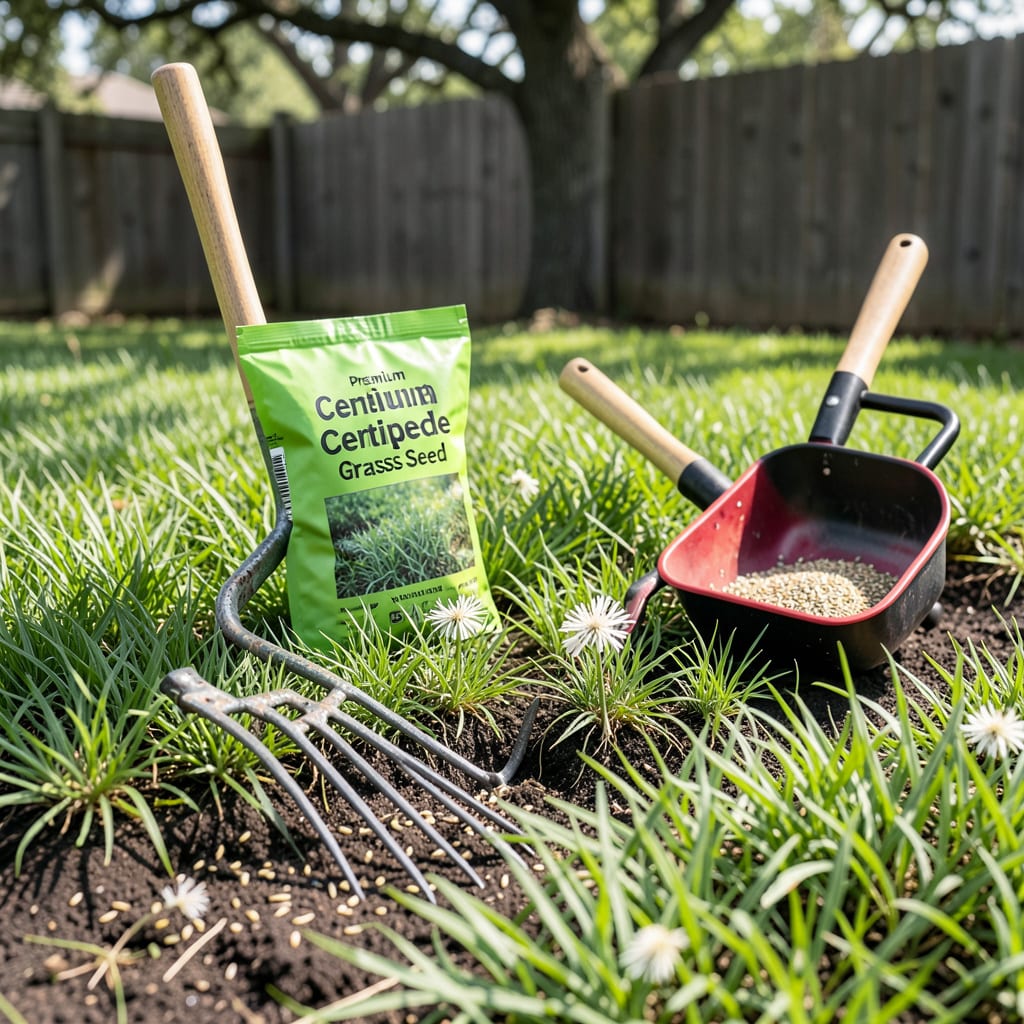
If you’ve ever struggled with patchy, weak grass despite your best efforts, timing might be the missing piece. In South Carolina, planting 🌱 Centipede Grass at the wrong moment can mean wasted seed and disappointment—even in our warm climate.
After years of testing and local expertise, I’ve pinpointed the perfect window for South Carolina lawns. Whether you’re in the Coastal Plain or Upstate, I’ll show you exactly when to plant for a thick, resilient lawn that thrives with minimal fuss. Let’s get it right the first time.
South Carolina’s diverse climate means the perfect planting window for centipede grass varies by region. In the Coastal Plain, where winters are milder, you can start earlier than in the Upstate, where frost lingers longer. The key is waiting until soil temperatures hit a consistent 70°F—this ensures rapid germination and strong root development.
I’ve found that late April through early June works best statewide, but adjusting by 2–3 weeks based on your zone makes all the difference. The Piedmont region, with its mix of clay and sandy soils, often needs extra attention to moisture during establishment. Let’s break down the ideal timing for your specific area.
| Region | Optimal Planting Window | Soil Temp Threshold | Last Frost Date |
|---|---|---|---|
| Coastal SC (Zones 8a–9a) | Mid-April to May | 70°F+ | March 15–30 |
| Piedmont SC (Zone 7b–8a) | Late April to Early June | 70°F+ | April 1–15 |
| Upstate SC (Zone 7a–7b) | Early May to Mid-June | 70°F+ | April 15–30 |
In the Coastal region, you can push the envelope slightly earlier—mid-April often works if soil temps cooperate. I recommend using a soil thermometer to check conditions at 2-inch depth before planting. If you’re in Charleston or Myrtle Beach, watch for late cold snaps, which can stall germination.
The Piedmont, including Columbia and Greenville, benefits from a late April start. Here, the clay-heavy soils warm slower, so I suggest amending with compost to improve drainage and warmth retention. This region’s humidity also means you’ll need to monitor for fungal issues during establishment.
Upstate gardeners in Spartanburg or Anderson should wait until early May. The higher elevation means cooler springs, and planting too early risks seed rot from damp, chilly soil. If you’re eager to start, consider pre-germinating seed indoors or using black plastic mulch to warm the soil faster.
No matter your region, avoid planting after mid-June. The summer heat stresses young seedlings, and weed competition becomes fierce. If you miss the spring window, early fall (September) is your backup, but germination rates drop as days shorten. Always water lightly daily for the first 3 weeks to keep soil moist but not soggy.
For sandy soils common in the Lowcountry, mix in organic matter to help retain moisture. In clay-dominant areas, aerate before planting to prevent compaction. I’ve seen the best results when seed is lightly raked into the top ¼-inch of soil—this protects it from birds while ensuring good soil contact.
Remember, centipede grass thrives in acidic soils (pH 5.0–6.0). Test your soil before planting, and amend with sulfur if needed. Overliming is a common mistake that leads to yellowing grass later. If you’re overseeding an existing lawn, mow low and remove clippings to give seeds direct soil access.
Finally, resist the urge to fertilize at planting. Wait until seedlings are 3–4 weeks old before applying a light nitrogen feed. This prevents burning tender roots while still encouraging steady growth. With the right timing and care, you’ll have a dense, weed-resistant lawn that stays green with minimal input.
If you’re unsure about your soil’s readiness, here’s my trick: plant a small test patch 2 weeks before your planned date. If it germinates well, proceed with the rest. This simple step saves many South Carolina gardeners from costly do-overs.
🌱South Carolina’s diverse climate means the perfect planting window for centipede grass varies by region. In the Coastal Plain, where winters are milder, you can start as early as mid-April. But head to the Upstate, and you’ll need to wait until late May to avoid late frosts.
The key is soil temperature—centipede grass seed germinates best when soil reaches 70°F or higher. I always recommend using a soil thermometer to check, as air temperature can be misleading. The Piedmont region typically hits this mark in early May, making it ideal for planting.
| Region | Ideal Planting Window | Soil Temp Threshold | Last Frost Date |
|---|---|---|---|
| Coastal Plain | Mid-April to June | 70°F+ | March 15 |
| Piedmont | Early May to June | 70°F+ | April 15 |
| Upstate | Late May to June | 70°F+ | April 25 |
✅ Pro Tip: Plant at least 90 days before first fall frost to establish strong roots.
If you’re in the Coastal region, you can push your planting date earlier, but watch for unexpected cold snaps. I once lost a batch of seedlings to a late April frost—lesson learned! The Piedmont’s clay-heavy soil warms slower, so patience pays off here.
For Upstate gardeners, waiting until late May ensures your seed won’t sit in cold, damp soil. Remember, centipede grass is a warm-season grass—it thrives in heat but struggles in cold. If you plant too early, you risk poor germination or fungal issues.
No matter your region, avoid planting in July or August. The extreme heat stresses young seedlings, and they’ll struggle to establish. If you miss the spring window, consider early September for a fall planting, but only in the Coastal Plain where winters are mild.
Always prepare your soil first—test the pH (5.0–6.0 ideal) and remove weeds. A little prep work now means a lush, low-maintenance lawn for years to come. Trust me, your future self will thank you! 🌱
Choosing between centipede grass seed and sod depends on your budget, timeline, and patience. I’ve helped countless South Carolina homeowners weigh these options, and the right choice often comes down to whether you want instant gratification or long-term savings. Let’s break it down.
Seeding is far more cost-effective—you’ll spend about $0.10–$0.20 per sq ft compared to sod’s $0.50–$0.80 per sq ft. But sod gives you an instant lawn in hours, while seed takes 3–4 weeks to establish. If you’re preparing for a summer barbecue, sod might be worth the splurge.
💡 Best for SC: Seed for new lawns | Sod for quick fixes
In South Carolina’s heat, sod can struggle with transplant shock if not installed properly. I always recommend watering sod twice daily for the first week to help roots knit into the soil. With seed, you’ll need light daily watering for 2–3 weeks—but you avoid the heavy upfront labor of sod installation.
For clay-heavy soils in the Piedmont, seed often performs better because it adapts naturally to the soil structure. Sod can develop air pockets in clay, leading to uneven growth. If you choose sod, aerate the soil first and use a roller to ensure good contact.
If you’re overseeding an existing lawn, seed is the clear winner. For bare spots or high-traffic areas, sod patches work wonders. I’ve seen hybrid approaches work well too—sod for problem areas and seed for the rest. Just remember: fall is the worst time for sod in SC, as roots struggle to establish before winter.
No matter which you choose, soil prep is critical. Test your pH (aim for 5.0–6.0) and remove weeds. For seed, use a starter fertilizer after germination. For sod, fertilize 4 weeks after installation. Both methods reward good preparation with a lawn that thrives in our humid climate.
🌱Centipede grass seed germinates best when soil reaches 70°F or higher at a 2-inch depth. Use a soil thermometer to check—air temperature alone isn’t reliable. In South Carolina, this typically occurs from late April through early June.
Fall planting is possible but riskier. Stick to early September in the Coastal Plain only, where winters are mild. Upstate and Piedmont regions should avoid fall planting—young grass may not establish before frost. Spring remains the safest window.
Water lightly daily for the first 2-3 weeks to keep soil moist but not soggy. Use a gentle spray to avoid displacing seeds. After germination, reduce to every other day for another week before transitioning to a normal schedule.
Yellowing often indicates overwatering or incorrect soil pH. Centipede grass thrives in acidic soil (pH 5.0-6.0). Test your soil—if pH is too high, apply sulfur. Also check for fungal issues in humid Piedmont areas.
For steep slopes, sod provides instant erosion control but costs more ($0.50-$0.80/sq ft). Seed is cheaper but risks washout until established. Consider erosion control blankets with seed or use sod for severe slopes. Both require proper soil prep.
