
Beautiful Plants For Your Interior
Beautiful Plants For Your Interior
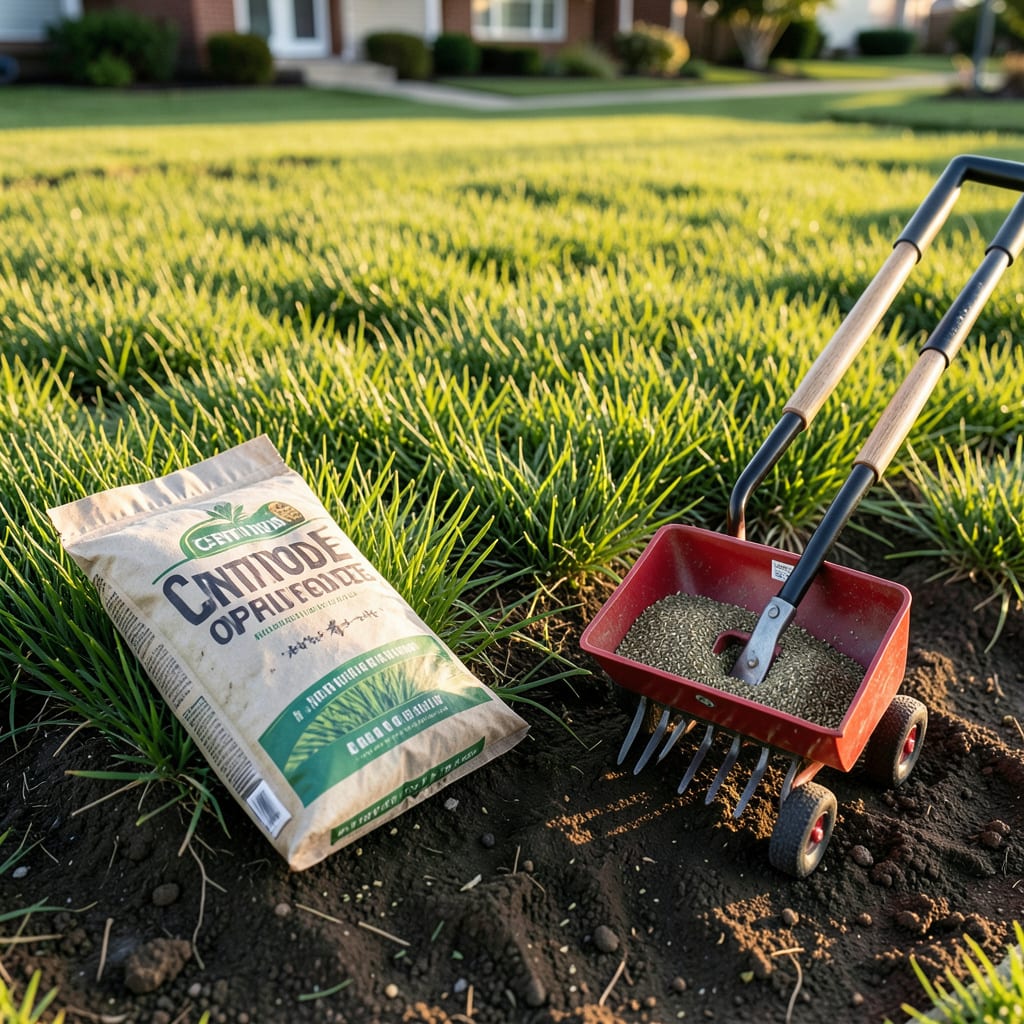
Timing your centipede grass planting in Georgia can make or break your lawn’s success. Plant too early, and late frosts might wipe out your efforts. Wait too long, and summer’s scorching heat could stress young seedlings before they even take root.
After studying Georgia’s diverse climate zones—from the Piedmont’s rolling hills to the Coastal plains—I’ve pinpointed the perfect windows for each region. Whether you’re in Atlanta or Savannah, I’ll show you exactly when to plant for a lush, low-maintenance lawn that thrives in Georgia’s unique conditions.
If you’ve ever wondered why your neighbor’s centipede grass looks like a golf course while yours struggles, timing is likely the culprit. In Georgia, soil temperature and regional climate differences between the Piedmont and Coastal Plain can make or break your lawn’s success. Plant too early, and a late frost might wipe out your seedlings.
Centipede grass thrives when soil temps hit 65°F or higher, but Georgia’s diverse microclimates mean you can’t rely on a one-size-fits-all approach. The Piedmont region (think Atlanta, Athens) has cooler springs and earlier frosts, while the Coastal Plain (Savannah, Brunswick) stays warmer longer. Let’s break down the best windows for each.
| Region | Best Months | Soil Temp Threshold | Last Frost Date | Notes |
|---|---|---|---|---|
| Piedmont (Atlanta, Athens, Macon) |
April–May or September–October |
65°F+ (measure at 2″ depth) | April 10–15 | Avoid late fall planting—first frost hits ~Oct 15. Spring is safest. |
| Coastal Plain (Savannah, Brunswick, Valdosta) |
March–June or August–October |
65°F+ (warms earlier than Piedmont) | March 15–20 | Longer growing season! But watch for summer droughts—mulch new seed. |
| Mountain (Blairsville, Dahlonega) |
May–June (avoid fall) |
65°F+ (cooler soils delay planting) | April 20–May 1 | Short season! Fall planting risky—frost comes early (~Oct 1). |
Source: Adapted from University of Georgia Extension guidelines. Soil temps from Georgia Weather Network.
In the Piedmont, I recommend aiming for mid-April to early May for spring planting. This gives seeds time to establish before summer heat. If you miss that window, early September is your backup—just ensure you’ve got 6–8 weeks before the first frost. Coastal gardeners get a head start: late March through early June works well.
Here’s a pro tip: Use a soil thermometer to check temps at 2-inch depth—don’t guess! Centipede seed germinates poorly in cold soil, and Georgia’s clay-heavy soils warm slower than sandy Coastal plains. If you’re in Atlanta, your soil might hit 65°F in early April, while Savannah could be ready by mid-March.
For fall planting, timing is tighter. Piedmont folks should wrap up by mid-September to avoid frost damage. Coastal areas can push to early October, but don’t delay—young grass needs 4–6 weeks to root deeply before winter. I’ve seen too many lawns fail because folks planted in late October hoping for a miracle.
Microclimates matter too! If you’re in a low-lying area or near a lake, your soil stays cooler longer. Conversely, urban heat islands (like downtown Atlanta) can warm up faster. Adjust your planting date by 7–10 days earlier in cities or later in shaded, wet spots. When in doubt, call your local UGA Extension office for hyper-local advice.
Don’t forget soil prep—centipede grass hates compacted clay. Till your soil to 4–6 inches deep and mix in 2–3 inches of compost to improve drainage. A soil test (available through UGA for $15) is worth its weight in gold. Centipede thrives in pH 5.0–6.0; if your soil is alkaline, amend with sulfur before planting.
Once planted, keep the seedbed consistently moist (not soggy!) for 14–21 days. I use a light straw mulch to retain moisture and protect seeds from birds. Avoid heavy foot traffic for 6–8 weeks—those tender roots need time to establish. And resist the urge to fertilize at planting; centipede grass is a low-fertility lover and too much nitrogen can harm seedlings.
If you’re overseeding an existing lawn, early summer (June) is ideal in Coastal areas, while Piedmont lawns do better with late spring (May) or early fall (September). Mow your existing grass short (1 inch) before seeding to reduce competition. A light raking helps seeds make soil contact—this simple step doubles germination rates in my experience.
🌱Even with perfect timing, small errors can sabotage your centipede grass. I’ve seen too many Georgia lawns struggle because of avoidable mistakes—like planting in cold soil or drowning seedlings. Let’s tackle the top five pitfalls so your lawn thrives from day one.
First up: ignoring soil temperature. Centipede seed won’t germinate well below 65°F, yet I still see folks planting in early March just because the calendar says “spring.” A $10 soil thermometer saves more money than you’d think by preventing failed plantings.
Pro Tip: Coastal gardeners—watch for salt spray near beaches. Rinse soil with fresh water if within 1 mile of shore.
Another big one: drowning your seeds. Yes, centipede needs moisture to germinate, but soggy soil invites fungal diseases like dollar spot. I water new seedbeds lightly twice daily (morning/evening) for 10–15 minutes—just enough to keep the top inch damp. After germination, cut back to 1 inch per week.
Here’s a mistake that’s easy to fix: skipping soil prep. Centipede grass despises compacted clay, which covers much of Georgia. Before planting, I till to 6 inches deep and mix in 3 inches of compost. For extra-dense soil, add 1/4 inch of sand to improve drainage. This step doubles your success rate!
Fertilizer fumbles wreck more lawns than you’d think. Centipede grass is a low-fertility lover—too much nitrogen causes thatch buildup and weak roots. I use no fertilizer at planting and only 1/2 pound nitrogen per 1,000 sq ft/year. If your lawn looks pale, check for iron deficiency (common in high-pH soil) before reaching for fertilizer.
Finally, don’t overlook weed competition. Crabgrass and nutsedge will choke out young centipede. I apply pre-emergent herbicide (like prodiamine) 4–6 weeks before planting, then use post-emergent spot treatments carefully once grass is established. In Coastal areas, dollarweed is a menace—improve drainage to fight it naturally.
One last regional note: Piedmont gardeners, your drought risk is higher in summer. Mulch new seed with 1/4 inch straw to retain moisture. Coastal folks, your humidity means more fungal pressure—water in early morning so grass dries by noon. Both regions should avoid evening watering to prevent diseases.
🌱You’ve planted your centipede grass seed at the perfect time—now the real work begins. Georgia’s heat and humidity can stress young grass if you’re not careful. The first 21 days are critical for establishment, so let’s focus on watering, mowing, and protection to set your lawn up for success.
Watering is your top priority. Keep the seedbed consistently moist (but not soggy) for 14–21 days. I use a light straw mulch to retain moisture and protect seeds from birds. In Georgia’s Piedmont region, aim for 1/2 inch of water daily in short sessions. Coastal areas may need slightly less due to higher humidity.
UGA Tip: Coastal lawns may need fungicide in humid summers—apply preventatively in June.
Once your grass reaches 2–3 inches tall, it’s time for the first mow. Set your mower to 1.5–2 inches—never cut more than 1/3 of the blade at once. In Georgia’s heat, taller grass shades the soil, reducing water loss. I recommend sharp mower blades to prevent tearing, which invites disease in our humid climate.
Fertilizing centipede grass is tricky. This low-maintenance grass thrives on poor soil, so skip heavy feeds. If your lawn looks pale, test for iron deficiency (common in Georgia’s clay). A light iron supplement in early summer works wonders. Avoid nitrogen unless a soil test confirms deficiency—too much causes thatch buildup.
Pest and disease pressure varies by region. In the Piedmont, watch for chinch bugs in hot, dry spells. Coastal lawns battle nematodes and dollar spot fungus due to humidity. I apply neem oil preventatively in June and July. For fungal issues, water in the early morning so grass dries quickly.
Finally, weed control is ongoing. Centipede grass struggles to compete with crabgrass and nutsedge. Apply pre-emergent herbicide in early spring (before soil hits 55°F). For existing weeds, spot-treat with post-emergent herbicide labeled safe for centipede. In shaded areas, hand-pull weeds—this grass needs full sun to outcompete invaders.
🌿Centipede grass seed needs soil temps of 65°F or higher at 2-inch depth to germinate properly. In Georgia, this typically occurs in mid-March for Coastal areas and early April for Piedmont. Use a soil thermometer to check—don’t guess!
Yes, but timing is critical. Piedmont regions should plant by mid-September, while Coastal areas can go until early October. Ensure seedlings have 6–8 weeks to establish before the first frost. Fall plantings need extra watering due to drier conditions.
Water lightly twice daily (morning/evening) for 10–15 minutes until germination (~14–21 days). After that, reduce to 1 inch per week. Overwatering causes fungal issues, especially in Georgia’s humid Coastal regions.
Planting too early in cold soil! Centipede seed won’t germinate well below 65°F, yet many plant in early March. Piedmont gardeners also often skip soil tests—centipede needs pH 5.0–6.0. A $15 UGA soil test prevents costly errors.
Apply 1/4 inch of straw mulch to retain moisture and shield roots. Water deeply 2–3 times weekly (early morning only) to encourage deep root growth. Avoid nitrogen fertilizer—it stresses grass in heat. Coastal lawns may need fungicide in June.
