
Beautiful Plants For Your Interior
Beautiful Plants For Your Interior
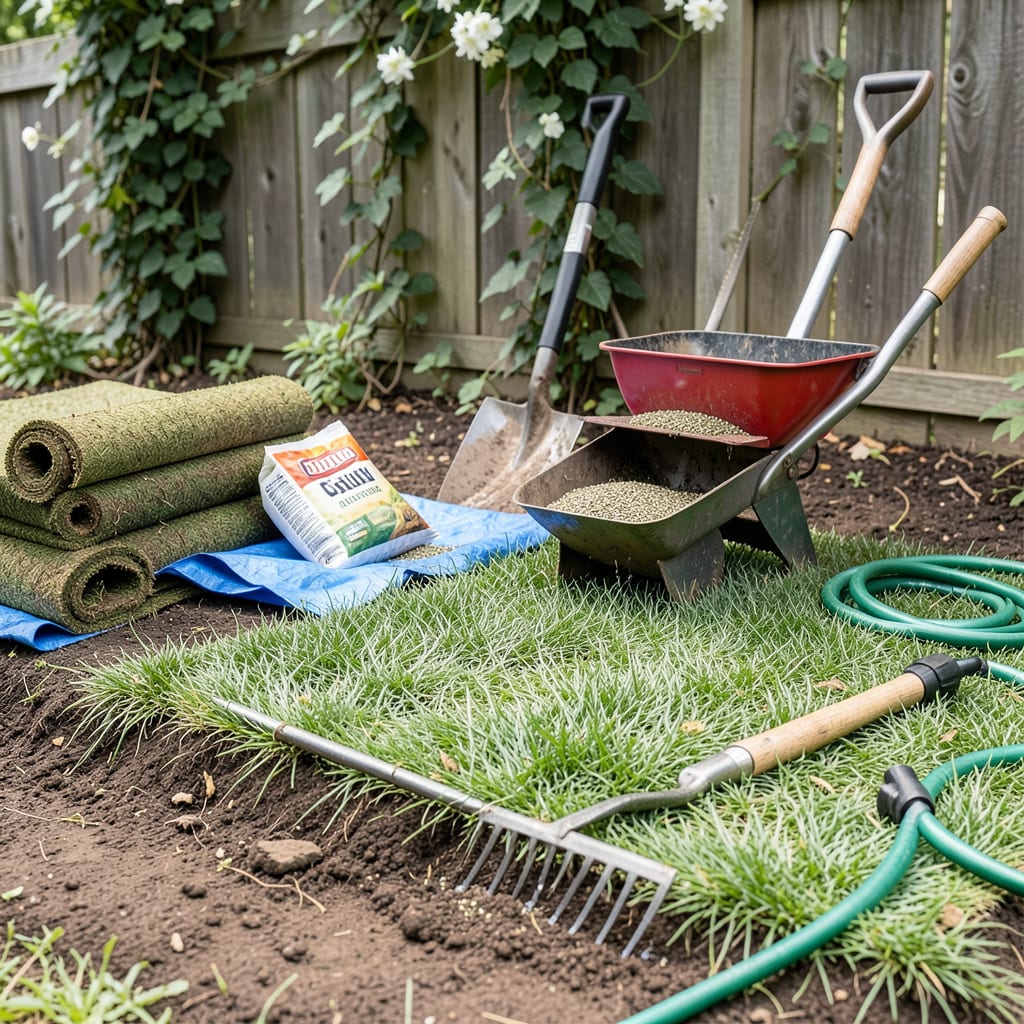
Timing can make or break your lush, low-maintenance lawn when planting centipede grass in North Carolina. Plant too early, and frost might wipe out your efforts. Wait too long, and summer heat could stress young roots before they establish.
After studying NC State’s recommendations for zones 7a–8b, I’ll show you the exact window—down to soil temps and regional tweaks—to ensure your 🌱 centipede grass thrives from the Piedmont to the coast. No guesswork, just a proven schedule.
If you’re dreaming of a low-maintenance lawn in North Carolina, centipede grass is a fantastic choice—but timing your planting is absolutely critical. This warm-season grass thrives when planted during its active growth period, which aligns perfectly with North Carolina’s late spring to early summer climate.
North Carolina spans three USDA hardiness zones (7a, 7b, and 8a), meaning planting windows vary slightly depending on where you live. The key factor is waiting until soil temperatures consistently reach 70°F or higher. Plant too early, and cold snaps can stunt growth; plant too late, and roots won’t establish before winter.
| Region | USDA Zone | Ideal Planting Months | Soil Temp Threshold | Notes |
|---|---|---|---|---|
| Coastal Plain | 8a | April–June | 70°F+ | Earliest planting window due to warmer soil and milder winters. |
| Piedmont | 7b | May–July | 70°F+ | Wait until after last frost (mid-April) for best results. |
| Mountains | 7a | Late May–July | 70°F+ | Shortest growing season; avoid planting after late July. |
In the Coastal Plain region (Zone 8a), you can start planting as early as April, thanks to warmer soil and a longer growing season. I always recommend checking your local soil temperature with a simple thermometer—don’t rely on air temperature alone!
For the Piedmont region (Zone 7b), mid-May through June is your sweet spot. This area experiences more temperature fluctuations, so waiting until soil is reliably warm ensures your centipede grass seeds or sod won’t struggle with late frosts. A soil test here is especially valuable to confirm pH levels (aim for 5.0–6.0).
The Mountain region (Zone 7a) has the shortest window, so I’d advise planting between late May and early July. The cooler climate means soil warms up later, and you’ll want roots well-established before the first frost in October. If you’re sodding, earlier is better—sod needs time to knit into the soil.
No matter your region, avoid planting in late summer or fall. Centipede grass needs 6–8 weeks to establish roots before dormancy. Planting too late risks winterkill, where young grass can’t survive cold snaps. If you miss the window, wait until next spring—patience pays off with this slow-but-steady grower!
Pro tip: If you’re seeding, late spring is ideal because it gives seeds time to germinate before summer heat. For sod, early summer works well since you’re transplanting established grass. Either way, prepare your soil by removing weeds and adding organic matter if your soil is too sandy or clay-heavy.
Remember, centipede grass loves acidity—if your soil pH is above 6.0, amend it with sulfur or peat moss before planting. This grass thrives in low-fertility soils, so skip heavy fertilizers. A light starter fertilizer (like 16-4-8) is plenty to get it going.
Finally, watering is crucial during establishment. Keep the soil consistently moist (but not soggy) for the first 2–3 weeks. After that, centipede grass is drought-tolerant, but deep watering once a week will keep it lush. Avoid overwatering—this grass hates “wet feet” and is prone to fungal issues in boggy soil.
By following these zone-specific guidelines, you’ll set your centipede grass up for success. It’s a forgiving grass once established, but nailing the planting timing ensures a thick, weed-resistant lawn that stays green with minimal fuss. Now, grab your soil thermometer and get ready to transform your yard! 🌱
Once you’ve nailed down the perfect planting window for your North Carolina region, it’s time to roll up your sleeves and get that centipede grass in the ground. Whether you’re seeding or sodding, proper preparation and technique make all the difference between a thriving lawn and a patchy disappointment.
I always recommend starting with a soil test—you can get one through the NC Cooperative Extension for under $20. Centipede grass craves acidic soil (pH 5.0–6.0) and struggles in alkaline conditions. If your pH is too high, amend with sulfur or peat moss a few weeks before planting. Clear the area of weeds, rocks, and debris, then till the soil to a depth of 4–6 inches for seeds or 2–3 inches for sod.
If you’re seeding, timing your planting in late spring (May–June) gives seeds the warm soil they need to germinate quickly—usually within 14–21 days. Keep the area moist but not waterlogged; I like to use a mist setting on my sprinkler to avoid displacing seeds. Once sprouts reach 3 inches tall, it’s time for the first mow—set your blade to 1.5–2 inches and never remove more than 1/3 of the blade at once.
For sodding, early summer (June–July) is ideal because the warm weather helps the sod knit into the soil faster. Lay sod immediately after delivery to prevent drying out, and stagger the seams like brickwork for a seamless look. Water sod twice daily for the first week, then taper off. Avoid walking on new sod for at least 2 weeks to prevent indentations.
Avoid these common mistakes: Planting too deep (seeds won’t germinate), skipping soil prep (leads to poor root growth), or overwatering (centipede grass hates soggy roots). Also, resist the urge to fertilize heavily—this grass is low-maintenance by nature and thrives in lean soil. If your lawn looks pale, a soil test will reveal deficiencies before you reach for fertilizer.
Once established, centipede grass requires minimal upkeep. Mow regularly (never shorter than 1 inch), water deeply but infrequently, and enjoy its natural weed resistance. In North Carolina’s humid summers, keep an eye out for fungal issues like brown patch—improve airflow by dethatching annually and watering in the early morning to reduce moisture on blades overnight.
With the right timing and care, your centipede grass will reward you with a dense, green lawn that stays lush with far less effort than other grasses. Now grab your gloves and get planting—your dream lawn is just a season away! 🌿
If you’re debating centipede grass for your North Carolina lawn, you might wonder how it stacks up against other warm-season options like Bermuda, Zoysia, or St. Augustine. While all thrive in our humid summers, centipede grass stands out for its ultra-low maintenance—but it’s not perfect for every yard.
Centipede grass shines if you want a slow-growing, drought-tolerant lawn that needs minimal mowing and fertilizing. It’s the laziest gardener’s dream, but it struggles in heavy shade or high-traffic areas. Let’s compare it to the competition so you can pick the best grass for your NC landscape.
| Grass Type | Drought Tolerance | Mowing Frequency | Fertilizer Needs | Shade Tolerance | Best For |
|---|---|---|---|---|---|
| Centipede 🌱 | High | Every 2–3 weeks | Very Low | Moderate | Low-maintenance lawns, acidic soils |
| Bermuda | Very High | Weekly | High | Low | High-traffic areas, sports fields |
| Zoysia | High | Every 1–2 weeks | Moderate | Moderate | Durable lawns, transitional zones |
| St. Augustine | Moderate | Every 1–2 weeks | High | High | Shady, coastal areas |
Centipede grass wins for low upkeep—it grows slowly, so you’ll mow half as often as Bermuda. It also thrives in poor, acidic soils, making it ideal for NC’s Piedmont and Coastal Plain regions where soil pH tends to be naturally low. Unlike Zoysia or Bermuda, it doesn’t demand frequent fertilizing, which saves you time and money.
However, if your yard gets heavy foot traffic or has deep shade, centipede grass isn’t the best pick. Bermuda handles wear and tear better, while St. Augustine tolerates shade—though both require more water and fertilizer. Zoysia is a middle-ground option, drought-tolerant like centipede but more durable underfoot.
Another perk of centipede grass? It chokes out weeds naturally once established, thanks to its dense growth habit. Bermuda and Zoysia also suppress weeds, but they spread aggressively, which can be a pro or con depending on your landscape goals. St. Augustine, on the other hand, often needs herbicides to keep weeds at bay.
In North Carolina’s humid summers, centipede grass stays green with minimal effort, while Bermuda and Zoysia may need extra water to avoid browning. That said, centipede’s cold sensitivity means it browns earlier in fall than its counterparts. If you want year-round green, consider overseeding with ryegrass in winter—but that adds maintenance.
So, which grass wins? If you prioritize ease and low input, centipede grass is your champion. But if you need a tougher lawn for kids, pets, or shade, explore Bermuda or Zoysia instead. Whichever you choose, proper planting timing and soil prep will set you up for success. 🌿
Centipede grass thrives when soil temps hit 70°F or higher. Use a soil thermometer to check—don’t rely on air temperature alone! In North Carolina, this typically happens between late April and early June, depending on your region.
Avoid fall planting—centipede grass needs 6–8 weeks to establish roots before dormancy. Late plantings risk winterkill from cold snaps. If you missed the window, wait until next spring for best results.
Start with a soil test (NC Cooperative Extension offers affordable kits). Aim for a pH of 5.0–6.0—amend with sulfur if needed. Remove weeds, till to 4–6 inches, and add compost if your soil is sandy or clay-heavy. Proper prep prevents patchy growth!
Seeding is cheaper but takes 2–3 weeks to germinate—best for late spring. Sod gives instant results but costs more and requires twice-daily watering for the first week. For quick curb appeal, sod wins; for budget-friendly projects, seeds are ideal.
Yellowing often signals overwatering or poor drainage. Centipede grass hates “wet feet”—water deeply but infrequently (1–1.5 inches weekly). If soil is soggy, improve drainage with organic matter. Check for fungal issues if yellow patches spread.
