
Beautiful Plants For Your Interior
Beautiful Plants For Your Interior
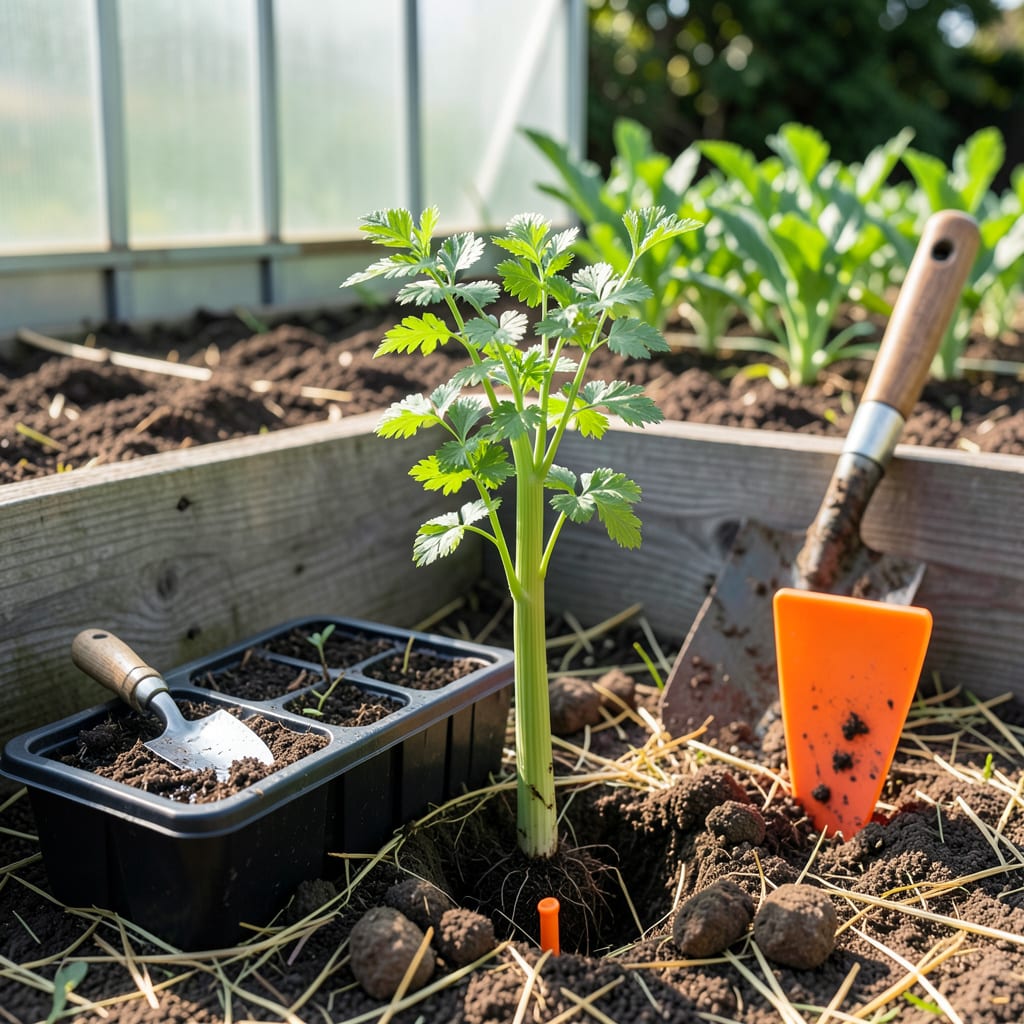
Timing your celery planting in Zone 7 can mean the difference between crisp, flavorful stalks and a disappointing harvest. Plant too early, and frost will wipe out your crop; wait too long, and summer heat turns your 🥬 bitter and tough.
After years of testing what works (and what doesn’t) in Zone 7’s unpredictable seasons, I’ve nailed down the exact windows for spring and fall success. Let me show you how to sync with your last frost date and avoid the 3 most common mistakes that ruin celery crops here.
If you’re growing celery in Zone 7, timing is your secret weapon. This cool-weather crop thrives when temperatures stay between 50-70°F, making spring and fall your golden windows. Plant too early, and late frosts will zap your seedlings. Wait too long, and summer heat turns stalks bitter and stringy.
I’ve found that Zone 7 gardeners have two reliable planting periods: early spring (March-April) and late summer (August-September). The key is working around our April 15 last frost date and October 15 first frost. Let’s break down the exact timing you’ll need for success.
| Planting Method | Spring Window | Fall Window | Key Notes |
|---|---|---|---|
| Start Indoors | Jan 15 – Feb 15 | June 15 – July 15 | 10-12 weeks before transplant |
| Transplant Outdoors | March 15 – April 15 | Aug 15 – Sept 1 | After last frost / 60 days before first frost |
| Direct Sow | Not recommended | Aug 1 – Aug 15 | Risky in spring; better for fall |
| Soil Temp | 50°F minimum | 50°F minimum | Use soil thermometer to verify |
*Adjust dates by 1-2 weeks for Zone 7a (cooler) vs Zone 7b (warmer) microclimates
For spring planting, I always start seeds indoors by mid-February. Celery seeds germinate notoriously slow—expect 14-21 days—so don’t wait! Use a heat mat to maintain 70°F soil temps for faster sprouting. Once seedlings have 4 true leaves, harden them off before transplanting.
The fall window is often more forgiving in Zone 7. I direct sow seeds in early August or transplant starts by late August. Fall celery benefits from warming soil while avoiding summer’s intense heat. Just ensure plants mature before our October 15 frost date. A light frost cloth can extend your harvest by 2-3 weeks.
Watch your soil temperature—celery seeds won’t germinate below 50°F, and transplants stall in cold ground. I use a soil thermometer to check depths of 2-3 inches. In spring, black plastic mulch helps warm soil faster. For fall, straw mulch keeps roots cool as temps rise.
Zone 7’s summer heat is celery’s nemesis. If planting in late spring, choose a partially shaded spot (especially for afternoon sun) or use 30% shade cloth. I’ve had best luck with ‘Tall Utah’ and ‘Redventure’ varieties that tolerate heat better than standard types.
Remember that coastal Zone 7 areas (like Virginia Beach) stay cooler than inland Zone 7 (like Charlotte). Coastal gardeners can push spring planting 1-2 weeks earlier and fall planting 1-2 weeks later. Inland gardeners should lean toward the conservative end of these windows.
For both seasons, prepare your soil with plenty of compost—celery is a heavy feeder. I mix in 2 inches of aged compost and a balanced fertilizer (5-10-10) before planting. Maintain consistent moisture; drip irrigation works best to prevent fungal issues on leaves.
Pro tip: Celery’s long maturity time (100-130 days) means you’ll need to plan carefully. In spring, count backward from your last frost date. For fall, count forward from your first frost date and add 10-14 days for harvest flexibility. This timing discipline pays off with crisp, sweet stalks!
Growing celery in Zone 7 comes with unique challenges that can derail even the most careful gardeners. After watching countless crops fail from preventable errors, I’ve identified the three biggest mistakes that sabotage celery in our region. The good news? Each has a simple fix.
First up is ignoring soil temperature. Many gardeners plant when air temps feel right, but celery seeds need consistent 50-70°F soil to germinate. I’ve seen seeds rot in cold, wet spring soil more times than I can count. Always use a soil thermometer before planting.
The Fix:
Use black plastic mulch to warm spring soil, drip irrigation for consistent moisture, and 30% shade cloth afternoons in summer.
The second critical error is inconsistent watering. Celery needs 1-2 inches of water weekly, but the delivery matters. Overhead watering promotes fungal diseases, while uneven moisture causes cracked, bitter stalks. I switched to drip tape on a timer and saw dramatically sweeter results.
Many Zone 7 gardeners also underestimate our summer heat impact. Celery bolts (goes to seed) when temps exceed 80°F for prolonged periods. I lost entire spring plantings before learning to use shade cloth from 12-4PM during heatwaves. For fall crops, plant where they’ll get morning sun but afternoon shade.
Here’s a pro tip: blanching celery (wrapping stalks to reduce bitterness) works wonders in our climate. About 2 weeks before harvest, I wrap stalks with corrugated cardboard or buy pre-made blanching collars. This blocks sunlight from the stalks, keeping them tender and sweet despite our temperature swings.
Don’t overlook variety selection either. Standard celery struggles in Zone 7’s heat, but I’ve had great success with ‘Redventure’ (heat-tolerant) and ‘Tall Utah 52-70’ (disease-resistant). These handle our humid summers and variable falls much better than generic varieties.
Finally, watch for early frosts in fall. I’ve had October surprises wipe out nearly-ready crops. Keep frost blankets handy, and harvest outer stalks first if cold weather threatens. With these adjustments, you’ll avoid the pitfalls that trip up most Zone 7 celery growers! 🌱
Not all celery varieties thrive in Zone 7’s swinging temperatures and humid summers. After testing dozens of types, I’ve found the top performers that handle our climate’s challenges while delivering crisp, flavorful stalks. The right variety can mean the difference between a bountiful harvest and a disappointing flop.
For Zone 7 gardeners, I recommend focusing on heat-tolerant varieties for spring plantings and cold-hardy types for fall. Our summers can push 90°F+, which causes standard celery to bolt prematurely. Look for varieties with shorter maturity times (100-120 days) to beat the heat or frost.
| Variety | Days to Maturity | Best For | Key Traits |
|---|---|---|---|
| Tall Utah 52-70 | 110-120 | Spring/Fall | Disease-resistant, classic flavor |
| Redventure | 100-110 | Summer Heat | Heat-tolerant, red stalks |
| Golden Self-Blanching | 105-115 | Fall Planting | Self-blanching, cold tolerant |
| Conquistador | 90-100 | Quick Harvest | Early maturing, compact |
*All varieties perform best with consistent moisture and partial afternoon shade in Zone 7
For spring plantings, I consistently get best results with ‘Tall Utah 52-70’. This classic variety handles our cool springs well and produces those familiar crisp stalks. When starting seeds indoors in January-February, this variety gives me reliable germination rates—critical since celery seeds can be finicky.
When tackling summer heat, ‘Redventure’ is my go-to. Its red stalks indicate higher anthocyanins, which help it withstand temperatures up to 85°F without bolting. I plant this variety in partial shade and find it maintains sweetness even during our July-August heatwaves. The color also makes a striking addition to garden beds!
For fall plantings, ‘Golden Self-Blanching’ excels in Zone 7. This variety naturally reduces bitterness as it matures, saving you the hassle of manual blanching. It also tolerates light frosts, giving you extra harvest time. I’ve harvested sweet stalks as late as early November by protecting plants with frost blankets during cold snaps.
If you’re short on time, ‘Conquistador’ matures in just 90-100 days, making it perfect for squeezing into Zone 7’s shoulder seasons. Its compact size also works well for container gardening on patios or balconies. Just remember that faster-maturing varieties may need more frequent watering to maintain crispness.
When selecting seeds, I recommend buying from regional suppliers like Southern Exposure Seed Exchange or Baker Creek. Their varieties are often better adapted to our humid subtropical climate than big-box store seeds. Look for organic, untreated seeds when possible, as celery is particularly sensitive to chemical treatments.
Remember that variety selection is just one piece of the puzzle. Even the best celery needs consistent moisture, rich soil, and protection from extreme temps. But starting with the right variety gives you a huge head start in Zone 7’s challenging growing conditions. 🌿
Summer heat is celery’s biggest enemy in Zone 7. When temps exceed 80°F, plants bolt (flower prematurely) and turn bitter. For summer success, plant heat-tolerant varieties like ‘Redventure’ in partial shade and use 30% shade cloth during peak afternoon hours.
Give each plant 8-10 inches of space in rows 18-24 inches apart. This spacing allows for proper air circulation while accommodating celery’s 1.5-2.5 ft mature height. Crowded plants compete for nutrients and produce thinner stalks.
Consistent moisture and blanching are key! Keep soil evenly moist with 1-2 inches of water weekly. About 2 weeks before harvest, wrap stalks with cardboard or use blanching collars to block sunlight. This reduces bitterness and increases sweetness.
Celery is naturally slow-growing, especially from seed. Cool soil (below 50°F) stalls growth. Use a heat mat for indoor starts to maintain 70°F soil temps, and transplant only after soil warms. Expect 14-21 days just for germination!
With protection, yes! Use frost blankets or low tunnels to shield plants when temps dip below 28°F. Fall-planted celery often survives light frosts, and you can harvest outer stalks as needed. In Zone 7b, you might get fresh celery until early December!
