
Beautiful Plants For Your Interior
Beautiful Plants For Your Interior
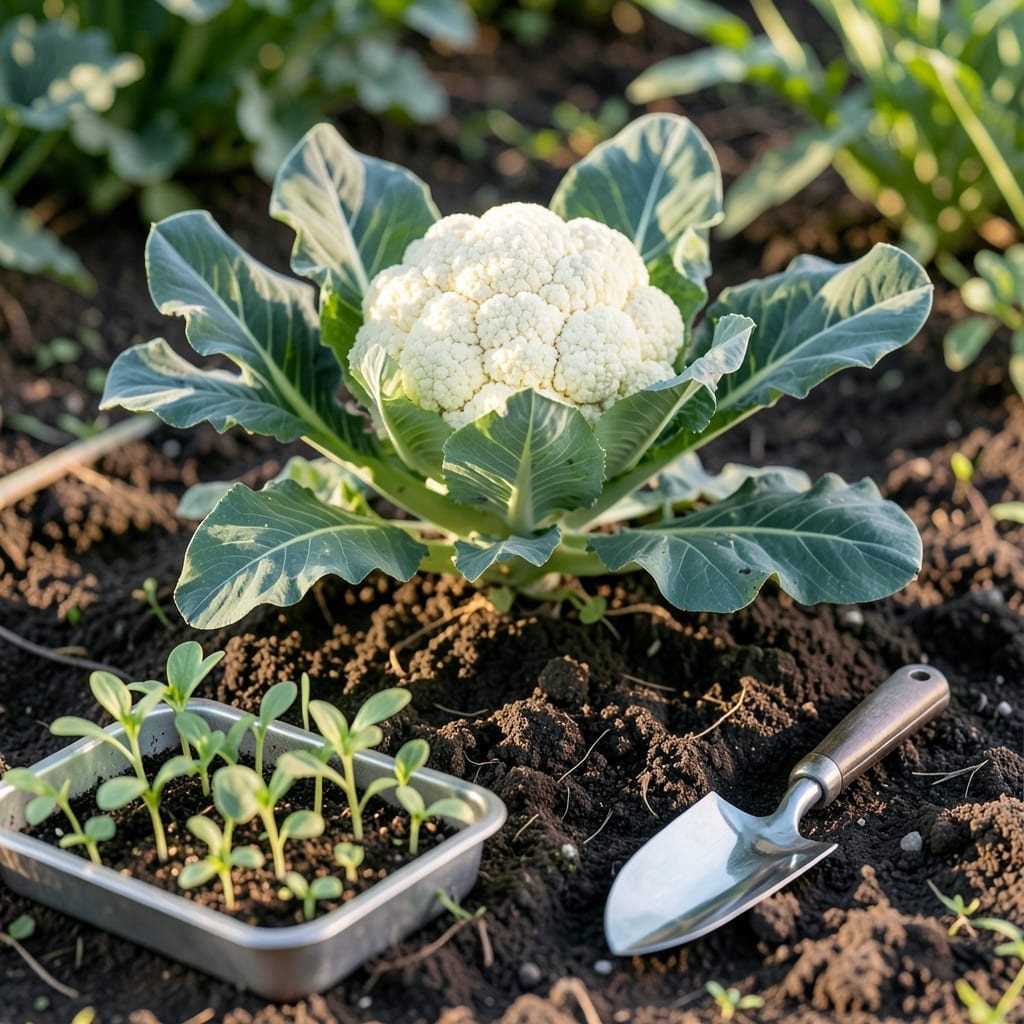
Timing is everything when it comes to growing cauliflower. Plant too early or too late, and you risk stunted growth or poor harvests. Discover the ideal windows for your climate.
In zone 6, the 🥦 cauliflower thrives when planted in March-April or July-August. These periods avoid extreme heat or cold that can stress the plants.
I’ll walk you through the seasonal schedule and regional tips to ensure crisp, flavorful heads. Let’s get your timing just right for a bountiful harvest.
Getting the timing right for cauliflower planting means understanding your USDA zone and seasonal shifts. This cool-weather crop thrives in 60-70°F temperatures and struggles in heat or hard frost. 🌱
For most gardeners, spring and fall are the prime windows. In warmer zones, fall planting often yields better results by avoiding summer heat. Let me break it down by region.
| Zone | Spring Planting | Fall Planting | Notes |
|---|---|---|---|
| 3-4 | March-April | July-August | Use row covers for frost |
| 5-6 | April-May | August-September | Avoid mid-summer heat |
| 7-8 | February-March | September-October | Fall planting preferred |
| 9-10 | January-February | October-November | Winter planting possible |
In zone 6, I start seeds indoors 4-6 weeks before the last frost (around April 15). This gives seedlings a head start for transplanting in early spring. ☀️
For fall crops, I count backward from the first frost (October 15). Since cauliflower needs 75-85 days to mature, I plant transplants in mid-July to early August.
Coastal gardeners in zones 9-10 can grow cauliflower as a winter crop. The mild temperatures prevent bolting while still providing enough chill for good head formation.
Remember that variety selection impacts timing. Early types like ‘Snowball Y’ mature in 50-60 days, while larger varieties may need 80-100 days. Always check your seed packet!
Watch the 10-day forecast before transplanting. Cauliflower can handle light frosts but needs protection from hard freezes. I use row covers for unexpected cold snaps. 🌿
In hot climates, shade cloth can extend the growing season. I’ve found that 30-40% shade during peak afternoon hours prevents heat stress while still allowing enough light.
Consistent moisture is key during head formation. I aim for 1-1.5 inches of water weekly, adjusting for rainfall. Drip irrigation works best to keep foliage dry and prevent disease.
Proper soil preparation is the foundation for healthy cauliflower plants. I always start by testing my soil pH, aiming for 6.0-7.0 for optimal nutrient uptake. 🌱
Cauliflower thrives in fertile, well-draining soil rich in organic matter. I work in 2-3 inches of compost or aged manure before planting to boost soil structure and fertility.
For spring planting, I start seeds indoors 4-6 weeks before the last frost. This gives me sturdy seedlings ready for transplanting when the soil warms to 50°F. ☀️
When transplanting, I harden off seedlings over 7-10 days by gradually exposing them to outdoor conditions. This prevents shock and ensures stronger growth after planting.
I plant transplants 18-24 inches apart in rows 30 inches apart. This spacing allows for good air circulation, which helps prevent fungal diseases common in crowded plantings.
After planting, I apply a 2-inch layer of organic mulch to retain moisture and suppress weeds. This is especially important for cauliflower, which has shallow roots and needs consistent moisture. 🌿