
Beautiful Plants For Your Interior
Beautiful Plants For Your Interior
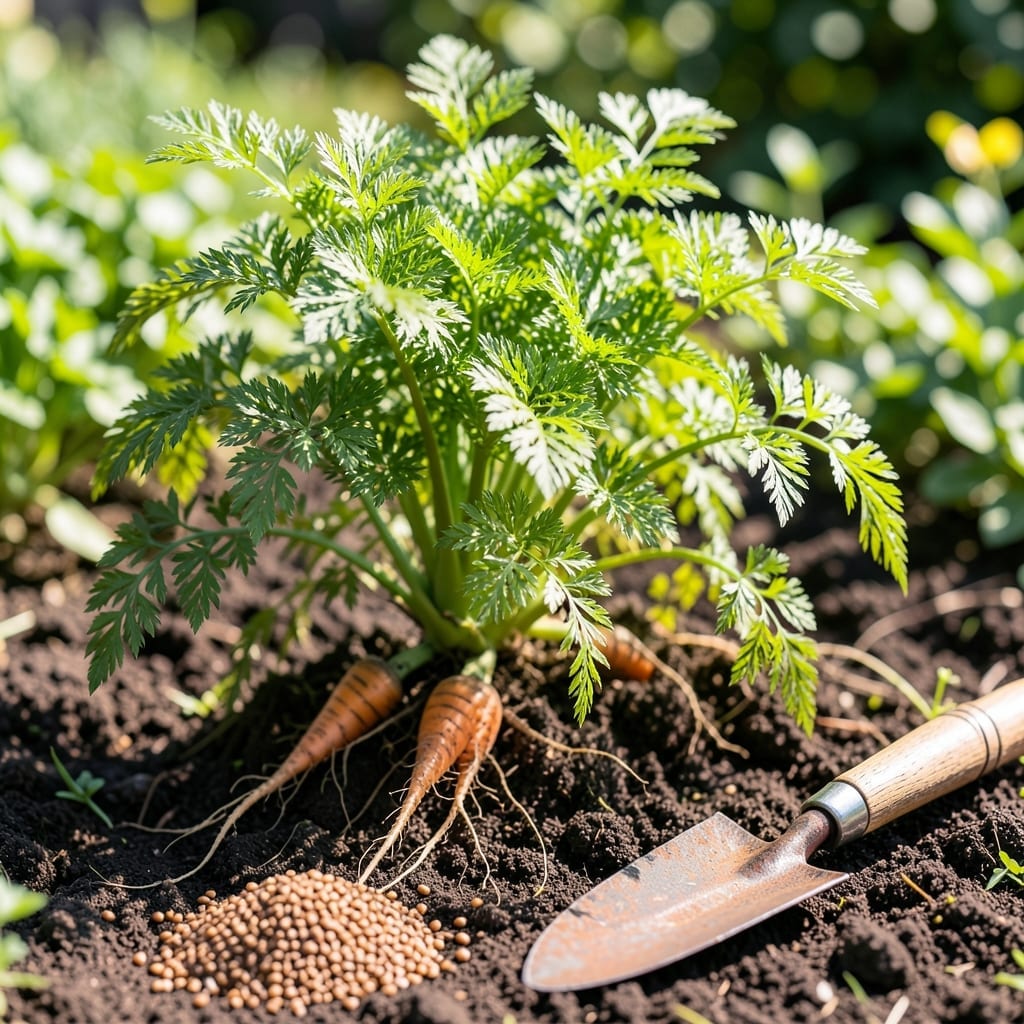
Timing is everything when it comes to growing carrots—plant too early or too late, and you might end up with bitter, stunted, or split roots instead of sweet, crisp harvests. I learned this the hard way my first season.
The key is matching your planting schedule to soil temperature and daylight hours. In zone 6, that sweet spot arrives in spring when the ground warms enough for seeds to germinate properly.
Let me show you exactly when to get those 🥕 seeds in the ground for the best results, plus the common timing mistakes that can ruin your crop before it even starts.
Getting the timing right for carrot planting means understanding your local climate. I’ve found that USDA hardiness zones are the best starting point for planning. Each zone has its own optimal windows for spring and fall crops.
In cooler zones like 3-5, you can start as early as late March for spring planting. Warmer zones like 7-9 can plant in early February or even late winter for an early harvest.
| Zone | Spring Planting | Fall Planting |
|---|---|---|
| Zones 3-5 | Late March–April | July–August |
| Zones 6-7 | March–April | August–September |
| Zones 8-9 | February–March | September–October |
| Zones 10+ | October–November | January–February |
For spring planting, aim for soil temperatures between 40–85°F. If your soil is still cold, use row covers to warm it up faster. Carrots germinate slowly in cold soil, so patience is key.
In fall planting, timing is critical to avoid frost. Plant 10–12 weeks before your first expected frost. This gives carrots enough time to mature before the ground freezes.
I always check the soil temperature with a simple thermometer. If it’s below 40°F, I wait. If it’s above 85°F, I hold off until it cools down to prevent poor germination.
For zone 6, where I garden, March to April is ideal for spring carrots. I’ve had great success planting 2–4 weeks before the last frost date. The soil is workable, and the seeds sprout reliably.
If you’re in a warmer climate, like zone 9, you can plant carrots almost year-round. Just avoid the hottest summer months when soil temperatures exceed 85°F, as this can cause poor germination.
For fall crops in zone 6, I plant in late July to early August. This ensures a harvest before the first frost in mid-October. Using shade cloth can help keep soil temperatures stable during heatwaves.
Remember, consistent moisture is crucial during germination. I water lightly daily until sprouts appear, then switch to deep watering once a week to encourage strong root growth.
Carrots are particular about their growing conditions, and I’ve learned that soil temperature is the most critical factor. They thrive when the soil is between 40–85°F, with 70°F being ideal for germination.
If the soil is too cold, seeds will germinate slowly or not at all. Too hot, and they’ll struggle to develop properly. I always use a soil thermometer to check before planting.
Day length also plays a role in carrot development. Longer daylight hours in spring and early summer encourage strong root growth. In contrast, shorter days in fall can lead to slower growth.
In my experience, using row covers in early spring helps warm the soil faster, allowing for earlier planting. This is especially useful in cooler climates where the ground stays cold longer.
For hot climates, I recommend shade cloth to keep soil temperatures stable. This prevents the soil from getting too hot, which can inhibit germination and lead to poor root development.
Consistent moisture levels are also key. Carrots need even watering to prevent splitting or stunting. I water deeply once a week, ensuring the soil stays moist but never waterlogged.
By managing soil temperature and day length, you can extend your carrot growing season and enjoy sweeter, crisper harvests ☀️