
Beautiful Plants For Your Interior
Beautiful Plants For Your Interior
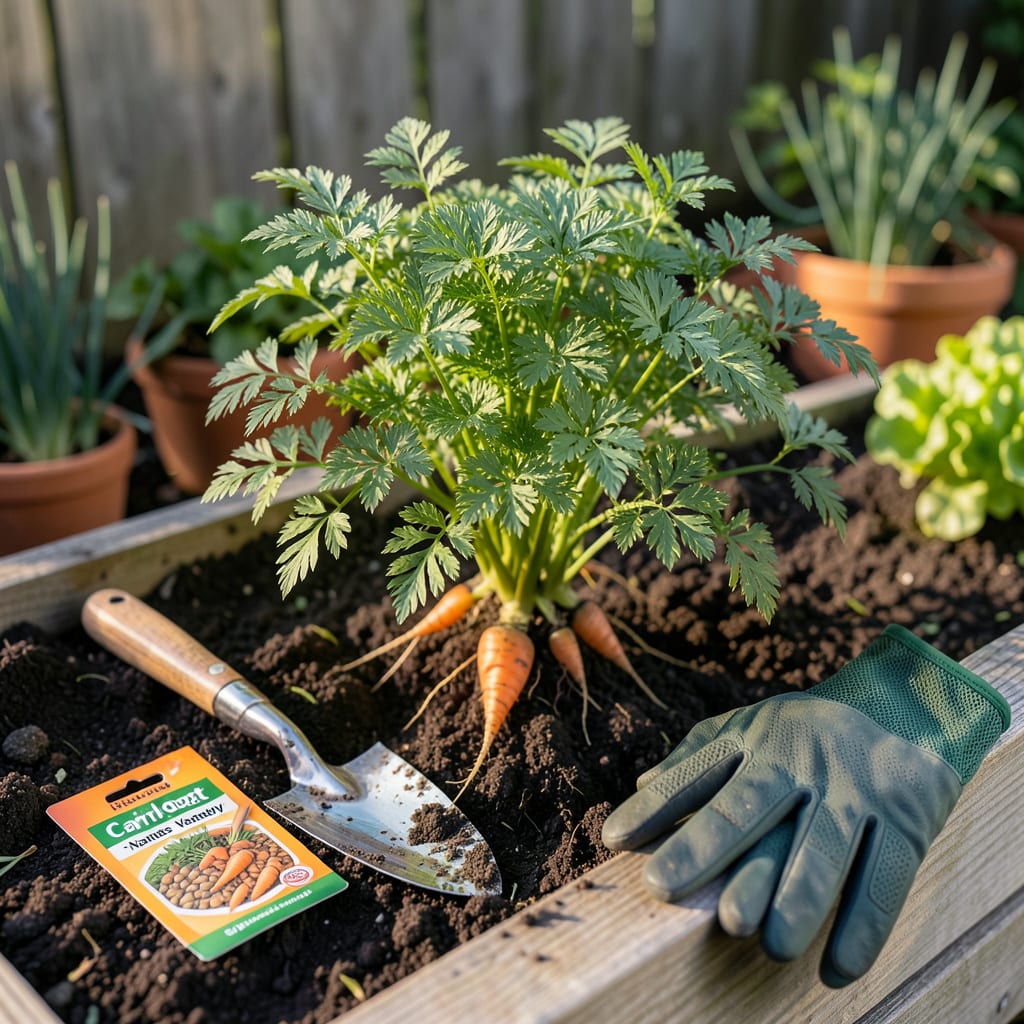
Zone 9b gardeners, listen up: your secret to sweet, crisp carrots isn’t just about soil—it’s all in the timing. While cooler zones plant in spring, your warm climate demands a different approach to avoid woody, bitter roots.
I’ve tested the best planting windows and heat-tolerant varieties that thrive where others fail. Whether you’re aiming for fall sweetness or spring crunch, I’ll show you exactly when to sow those seeds—and which types like ‘Danvers’ will outperform the rest.
If you’ve ever pulled up woody, bitter carrots in Zone 9b, timing was likely the culprit. Our warm winters and scorching summers mean traditional spring planting often fails. The secret? Fall and winter sowing when soil temps stay between 40°F–85°F—carrots’ sweet spot.
In Zone 9b, we dodge frost but battle heat. September to February is prime time, with succession planting every 3–4 weeks for continuous harvests. Avoid spring planting after March 1—soaring temps trigger bolting, turning your roots bitter and inedible.
| Planting Window | Ideal Months | Soil Temp Range | Days to Harvest |
|---|---|---|---|
| Primary Fall | Sept–Oct | 60°F–75°F | 70–80 days |
| Winter Succession | Nov–Jan | 50°F–70°F | 80–90 days |
| Late Winter | Feb | 55°F–65°F | 65–75 days |
| Avoid | Mar–Aug | >75°F | Bolting risk |
✅ Pro Tip: Use shade cloth for February plantings to extend season by 2–3 weeks.
For fall planting, aim for late September to early October. This gives roots time to size up before winter’s slower growth. I’ve found ‘Danvers’ and ‘Nantes’ varieties thrive here—they handle Zone 9b’s temperature swings better than most.
Winter sowing (November–January) is your golden ticket. Cooler soil prevents bolting, and consistent moisture (not soggy!) keeps roots tender. Mulch with straw or shredded leaves to insulate soil and retain moisture during dry spells.
Ever tried February planting? It’s risky but doable with shade cloth to block intense afternoon sun. Opt for short-season varieties like ‘Paris Market’ (50–60 days). They mature fast before heat sets in.
Soil prep is non-negotiable. Loose, sandy loam prevents forking—carrots hate compacted soil. Mix in compost (not fresh manure!) and avoid nitrogen-heavy fertilizers. Too much nitrogen = hairy roots and bitter flavor.
Succession planting is your best friend in Zone 9b. Sow a new batch every 3–4 weeks from September to February. This staggers harvests and avoids gluts. Thin seedlings to 2 inches apart—crowding causes stunted, misshapen roots.
Watch for pests like carrot rust flies. Row covers work wonders, but remove them once plants reach 6 inches tall to avoid overheating. Water deeply 2–3 times weekly—shallow sips lead to cracked roots.
Harvest when roots reach ½–¾ inch diameter. Left too long? They turn woody. Use a garden fork to loosen soil before pulling—this prevents snapping. Store in sand or sawdust in a cool, dark place for months of crispness.
Remember: Zone 9b’s heat is your enemy. Stick to the fall-winter window, prioritize heat-tolerant varieties, and keep soil cool and moist. Do this, and you’ll pull up the sweetest, crunchiest carrots you’ve ever grown. 🌱
Not all carrots can handle Zone 9b’s heat, but these five varieties laugh in the face of warm soil and temperature swings. After years of testing, I’ve found these heat-tolerant champions consistently outperform others in our climate.
Choosing the right variety isn’t just about flavor—it’s about days to maturity and heat resistance. Short-season types like ‘Paris Market’ dodge bolting, while deeper-rooted ‘Danvers’ varieties push through temperature fluctuations.
| Variety | Days to Harvest | Heat Tolerance | Flavor Profile | Best For |
|---|---|---|---|---|
| Danvers | 70–80 | ⭐⭐⭐⭐ | Sweet, earthy | Heavy/clay soil |
| Nantes | 65–75 | ⭐⭐⭐⭐ | Crisp, mild | Containers |
| Paris Market | 50–60 | ⭐⭐⭐⭐⭐ | Buttery, tender | Late winter |
| Imperator | 75–85 | ⭐⭐⭐ | Classic carrot | Deep soil |
| Atomic Red | 70–80 | ⭐⭐⭐⭐ | Sweet, peppery | Colorful harvests |
💡 Pro Tip: ‘Paris Market’ is your February planting hero—its quick maturity beats the heat.
‘Danvers’ is my top pick for Zone 9b’s unpredictable temps. Its tapered shape resists forking in heavy soil, and the deep orange color means high beta-carotene. Plant in September or November for best results.
If you’re short on space, ‘Nantes’ shines in containers. These cylindrical carrots grow just 6–7 inches long but pack serious flavor. They’re perfect for succession planting every 4 weeks from fall to winter.
For late-winter gambles, ‘Paris Market’ is unbeatable. These round, golf-ball-sized roots mature in 50 days—ideal for squeezing in a crop before summer. Their buttery texture makes them a kid favorite.
Want drama? ‘Atomic Red’ delivers vibrant purple skin with orange cores. It’s not just pretty—this variety holds its sweetness in heat better than most. Pair it with ‘Imperator’ for a rainbow harvest.
Remember: Variety matters more than seed brand. Focus on days to maturity (under 80 days) and heat ratings (4–5 stars). Always soak seeds overnight before planting—it speeds germination in warm soil. 🌱
Even with perfect timing, Zone 9b carrot failures often trace back to a few critical errors. I’ve made (and fixed!) these mistakes so you don’t have to. The biggest culprit? Planting too late in spring—once soil hits 80°F+, you’re growing bitter, woody roots.
Another showstopper: compacted or rocky soil. Carrots need loose, sandy loam to grow straight. If your soil’s heavy, mix in compost and perlite before sowing. Skipping this step guarantees forked, misshapen roots—no one wants a carrot that looks like a modern art piece.
✅ Fix: Thin to 2″ apart, water deeply 2x/week, and mulch with straw.
Overcrowding is another silent killer. Those tiny seeds are deceiving—if you don’t thin to 2 inches apart, you’ll harvest pencil-thin roots. I use scissors to snip extras at soil level (pulling disturbs neighbors). Aim for 1 seed per inch at sowing, then thin ruthlessly.
Watering mistakes wreck more carrot crops than pests. Shallow, frequent sips cause cracked roots, while drought stress turns them bitter. The fix? Deep watering 2–3 times weekly, letting soil dry slightly between. Drip irrigation beats overhead spray—keeps foliage dry and prevents disease.
Here’s a pro trick: Soak seeds overnight before planting. Zone 9b’s warm soil can dry seeds out before germination. I use lukewarm water in a shallow dish, then drain before sowing. This cuts germination time from 14–21 days down to 7–10 days—critical for avoiding heat waves.
Lastly, don’t skip mulch. A 2-inch layer of straw keeps soil temps stable, retains moisture, and blocks weeds. In winter, it prevents temperature swings that stunt growth. Come harvest, you’ll thank yourself when pulling smooth, sweet roots instead of tough, twisted disappointments. 🌱
Not quite! While Zone 9b’s mild winters are ideal, summer heat (June–August) is your enemy. Stick to September–February plantings when soil stays below 75°F. Spring sowing after March 1 risks bolting and bitter roots.
Sow seeds ¼ inch deep—any deeper and they’ll struggle to sprout in Zone 9b’s warm earth. Cover lightly with sandy loam or compost, then mist to keep moist. Pro tip: Soak seeds overnight first to speed germination in heat.
‘Paris Market’ wins with 50–60 days to harvest. These round, golf-ball-sized carrots thrive in February plantings with shade cloth. For containers, try ‘Nantes’ (65 days)—both beat the heat with sweet, tender results.
Compacted soil or fresh manure is usually to blame. Zone 9b’s clay-heavy ground needs compost + perlite mixed in. Avoid nitrogen-rich fertilizers—they cause hairy roots. Aim for loose, sandy loam to grow straight, smooth carrots every time.
A 2-inch layer of straw stabilizes soil temps and retains moisture. It’s crucial for November–January sowings to prevent temperature swings that stunt growth. Just avoid thick mulch—it can smother tiny seedlings.
