
Beautiful Plants For Your Interior
Beautiful Plants For Your Interior
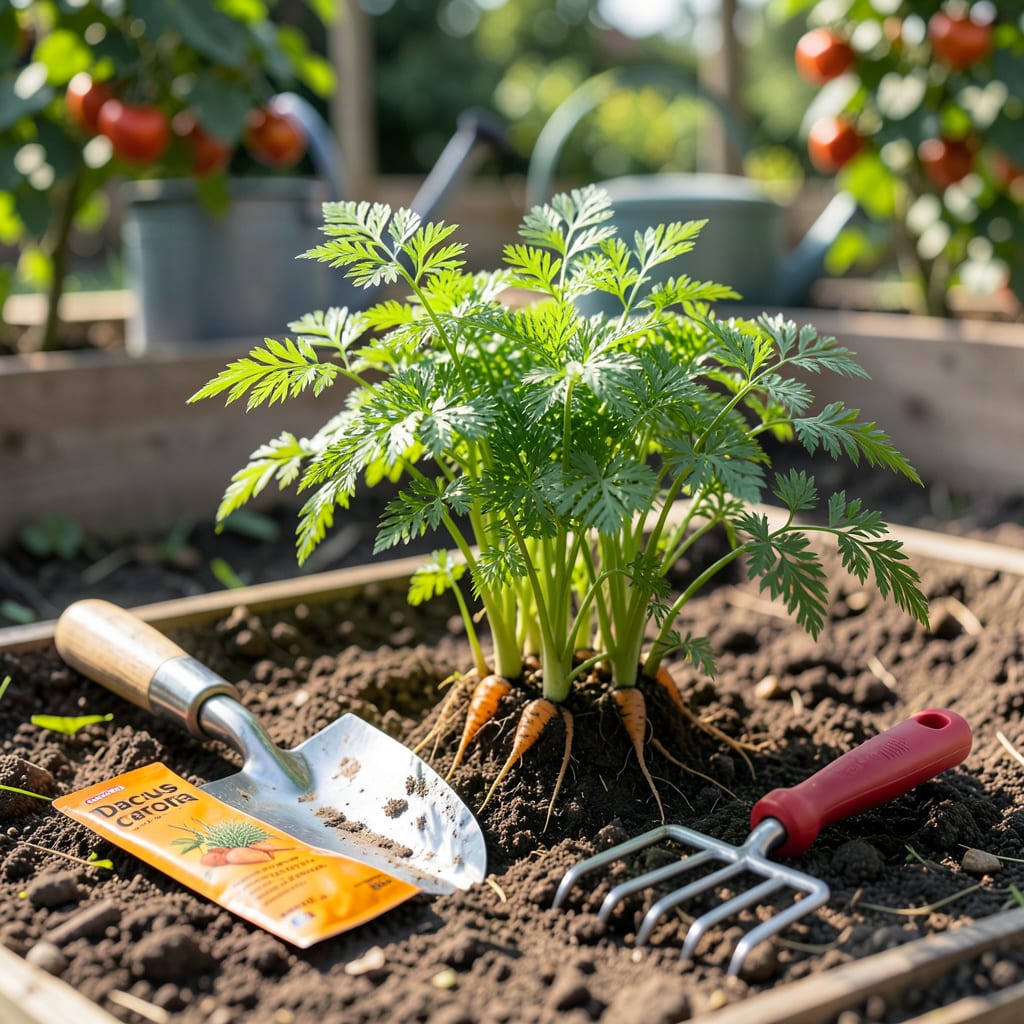
Zone 9 gardeners have a secret advantage: you can grow 🥕 carrots nearly year-round—if you nail the timing. Plant too late, and you’ll end up with woody, bitter roots. Plant too early, and they might bolt before reaching their sweet potential.
I’ve tested the perfect windows for Zone 9’s mild winters and scorching summers, and the results might surprise you. Whether you’re aiming for a fall harvest or a winter crop, I’ll show you exactly when to sow for the juiciest, crispest carrots possible.
If you’re gardening in Zone 9, you’re in luck—our mild winters and early springs let us grow carrots nearly year-round. But timing is key. Carrots despise high heat (they turn bitter) and bolt if exposed to late-season frost. I’ll break down the perfect windows.
The secret? Focus on fall through early spring plantings. In Zone 9, soil temps between 50°F–85°F are ideal for germination. Avoid summer sowing unless you’re using shade cloth and heat-tolerant varieties like ‘Danvers’.
| Month | Planting Window | Notes |
|---|---|---|
| September–October | Primary Fall Planting | Best for sweetest roots. Soil still warm; avoid late frost. |
| November–December | Winter Succession | Use row covers if temps dip below 40°F. |
| January–February | Early Spring | Watch for bolting—harvest before temps hit 80°F. |
| March–April | Late Spring (Risky) | Only plant heat-resistant varieties with shade. |
| May–August | Avoid | Too hot—bitter roots and poor germination. |
For fall plantings, aim to sow seeds 6–8 weeks before your first frost (usually late November in Zone 9). This gives roots time to mature in cool soil, which boosts sweetness. I like to plant in raised beds—they warm faster in spring and drain better.
Winter carrots are a Zone 9 superpower! Sow in December–January for a late-winter harvest. Use mulch to protect seedlings from occasional cold snaps. Pro tip: ‘Nantes’ varieties mature in just 60 days, perfect for quick turns.
Spring plantings are trickier. Sow as early as February, but be ready to harvest by late April before heat sets in. If you miss the window, try shade cloth (50% density) to extend the season by 2–3 weeks.
Want continuous harvests? Use succession planting: sow a new batch every 3 weeks from September to February. Thin seedlings to 2 inches apart to avoid crowding—this is critical for straight, unforked roots in Zone 9’s often dense soils.
Remember, soil prep matters more in Zone 9. Our native soils can be sandy or clay-heavy. Amend with compost and coconut coir to improve texture. Carrots need loose, rock-free soil to grow long and straight.
Finally, water consistently—1 inch per week—but avoid soggy soil. Drip irrigation works best to prevent foliar diseases in our humid climate. Harvest when roots reach ¾-inch diameter for peak flavor.
With this schedule, you’ll pull sweet, crunchy carrots from your Zone 9 garden almost year-round. Next, let’s tackle the biggest mistakes I see gardeners make—like overcrowding seeds or ignoring soil temps! 🪴
Even with perfect timing, Zone 9 gardeners can still mess up their carrot crop with a few common blunders. I’ve seen it happen too often—bitter roots, stunted growth, or plants that bolt before you get a single edible carrot. Let’s fix that.
The biggest issue? Overcrowding seeds. Carrots need space to develop properly, but many gardeners skip thinning. In Zone 9’s fast-growing conditions, crowded seedlings compete for nutrients, leading to twisted, undersized roots. Thin to 2 inches apart once sprouts reach 2 inches tall.
Another major mistake is planting in compacted soil. Zone 9’s native soil often has clay or hardpan layers that stunt carrot growth. Before sowing, loosen soil to 12 inches deep and mix in compost or sand for better drainage.
Watering errors wreck more carrot crops than pests do. Inconsistent moisture causes cracked or bitter roots. Use drip irrigation on a timer for even watering—1 inch per week, split into 2–3 sessions. Avoid overhead sprinklers to prevent foliar diseases in our humid climate.
Many Zone 9 gardeners forget about soil temperature. Carrot seeds germinate poorly in soil above 85°F. If planting in late spring, use shade cloth to cool the soil, or pre-chill seeds in the fridge for 24 hours to boost germination rates.
Finally, don’t ignore pest pressure. Carrot rust flies and wireworms thrive in Zone 9. Protect seedlings with floating row covers and rotate planting locations yearly. I lost an entire crop once by reusing the same bed—lesson learned!
Fix these mistakes, and you’ll harvest straight, sweet carrots every time. Next up: the best heat-tolerant varieties that thrive in Zone 9’s tough conditions! 🌱
Not all carrots thrive in Zone 9’s heat and humidity. After testing dozens of varieties, I’ve found the top performers that resist bolting, tolerate warmth, and still deliver that sweet crunch we crave. Here’s what actually works in our climate.
The gold standard for Zone 9 is ‘Danvers’. This classic variety handles heat stress better than most, with roots that stay sweet even when temps climb. It matures in 70–80 days, perfect for our fall-to-spring growing window. The tapered shape also pushes through dense soils common in our region.
For quick harvests, ‘Nantes’ is my go-to. These cylindrical carrots mature in just 60 days, making them perfect for succession planting. They’re less likely to split in Zone 9’s fluctuating moisture levels, and their sweet flavor holds up even in warmer soil.
If you love colorful roots, ‘Atomic Red’ is a standout. This variety keeps its deep purple hue and sweetness even when temps hit 85°F. It’s also rich in anthocyanins, making it a nutritional powerhouse. Just note it takes 80 days to mature—plan accordingly.
For container gardeners, try ‘Little Finger’. This mini variety thrives in shallow pots and matures in 55 days. It’s my top pick for balcony gardens where soil depth is limited. Pair it with well-draining potting mix for best results.
No matter which variety you choose, soil prep is non-negotiable in Zone 9. Our native soil often lacks the loose texture carrots need. Amend with compost and sand to prevent forked roots. And always mulch heavily—it keeps soil temps stable and moisture consistent.
Ready to plant? Grab a packet of ‘Danvers’ for your main crop and ‘Nantes’ for quick turns. With these varieties and proper care, you’ll pull perfect carrots from your Zone 9 garden all season long. Next, let’s talk about keeping them pest-free! 🌿
Summer plantings are risky in Zone 9 due to heat stress. Carrots prefer soil temps below 85°F—above that, roots turn bitter or bolt. If attempting summer growth, use shade cloth and heat-tolerant varieties like ‘Danvers’.
Carrots need 1 inch of water weekly, split into 2–3 sessions. Zone 9’s heat dries soil fast, so check moisture daily. Use drip irrigation to avoid wetting foliage, which invites disease. Mulch heavily to retain moisture.
Zone 9’s native soil is often sandy or clay-heavy. Amend with compost and coconut coir for loose texture. Till to 12 inches deep and remove rocks. Raised beds help with drainage and root development.
Bitterness usually means heat stress or inconsistent watering. In Zone 9, plant in fall/winter when temps stay below 80°F. Ensure even moisture—drought then flooding causes stress. Harvest promptly at maturity.
Never reuse the same bed without a 3-year break. Carrot pests like rust flies overwinter in soil. Rotate with non-root crops (e.g., beans or greens) to disrupt pest cycles. I lost a crop by skipping rotation—lesson learned!
