
Beautiful Plants For Your Interior
Beautiful Plants For Your Interior
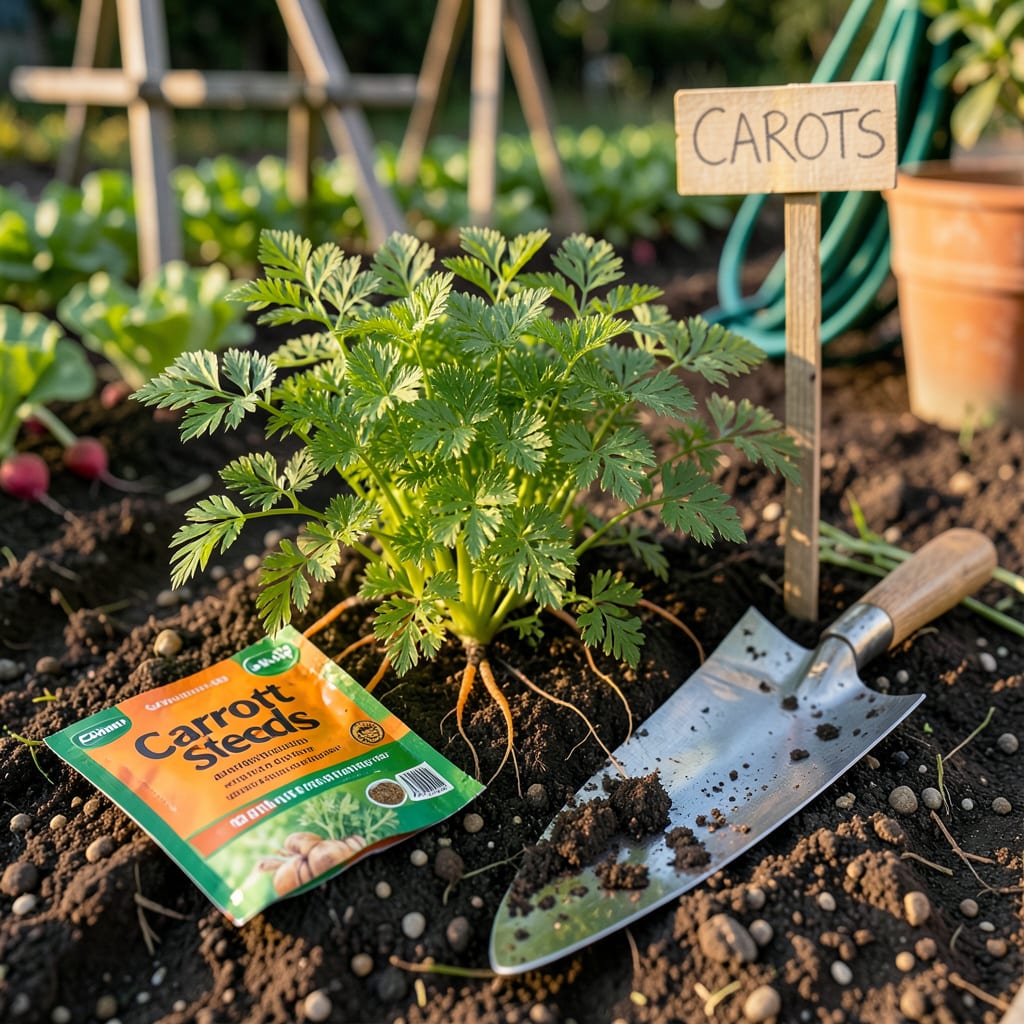
Ever pulled up a carrot only to find it stunted or bitter? In Zone 8b, timing isn’t just important—it’s the difference between a bountiful harvest and a garden flop. The 🥕 Carrot thrives when you work with its natural rhythm, not against it.
I’ve spent seasons perfecting the planting calendar for this climate, and here’s the good news: you can enjoy crisp, sweet carrots nearly year-round if you nail the windows. Let’s break down exactly when to sow those seeds—and why August might just be your secret weapon.
If you’re growing carrots in Zone 8b, timing is your secret weapon. This region’s mild winters and hot summers create unique opportunities—and challenges. I’ve found that spring and fall plantings work best, but you can even sneak in winter harvests with the right approach. Let’s break it down.
The key is working around frost dates and soil temperature. In Zone 8b, our last frost is typically around March 15, while the first frost hits near November 15. Carrot seeds germinate best when soil is between 45°F–85°F, so we’ll use that as our guide.
| Season | Planting Window | Harvest Time | Key Notes |
|---|---|---|---|
| Early Spring | Feb 1–Mar 15 | May–June | Sow 2–3 weeks before last frost. Use row covers if nights dip below 40°F. |
| Late Spring | Mar 15–Apr 15 | June–July | Avoid late plantings—summer heat causes bitterness. Opt for heat-tolerant varieties like ‘Danvers’. |
| Fall | Aug 15–Oct 1 | Nov–Dec | Plant 10–12 weeks before first frost. Use shade cloth if temps exceed 85°F. |
| Winter | Oct 15–Nov 15 | Dec–Feb | Use cold-hardy varieties like ‘Napoli’. Mulch heavily to protect from unexpected freezes. |
For spring plantings, I start seeds as early as February 1 if the soil isn’t frozen. Carrots are cold-hardy, but germination slows below 50°F. A soil thermometer is your best friend here—don’t guess! If soil temps dip, cover beds with row fabric to trap heat.
Fall is my favorite season for carrots in Zone 8b. The trick is timing: plant 10–12 weeks before your first frost (around November 15 for us). This ensures roots mature in cool weather, avoiding the bitterness that summer heat brings. I love ‘Nantes’ for fall—they’re sweet and quick to mature.
Winter carrots? Absolutely! In Zone 8b, our mild winters allow for overwintering. Sow seeds by mid-October, then mulch with 4–6 inches of straw. The carrots will grow slowly but stay crisp. Harvest as needed, or let them sweeten further after light frosts. Just avoid waterlogged soil—it causes rot.
Pro tip: Succession planting is a game-changer. I sow a new row every 2–3 weeks from February to October. This staggers harvests, so I’m never overwhelmed with carrots all at once. For summer plantings, use 30% shade cloth to prevent bolting. The goal is consistent moisture and cool roots.
Variety matters too. For early spring, I choose ‘Paris Market’ (round, quick-maturing). For fall, ‘Bolero’ resists disease. And for winter? ‘Merida’ handles cold like a champ. Always check the days to maturity—aim for 60–70 days in spring/fall, 50–60 days for winter.
Remember, soil prep is critical. Carrots hate rocky or compacted soil. I till my beds to 12 inches deep and mix in composted sand for drainage. Avoid fresh manure—it causes forked roots. Keep soil evenly moist (not soggy) until germination, which takes 14–21 days in Zone 8b’s climate.
Finally, watch the foliage. When carrot tops reach 6–8 inches tall, it’s time to thin. Space seedlings 2 inches apart for straight roots. And don’t forget to mulch—it retains moisture and deters carrot rust flies, a common Zone 8b pest. Happy planting! 🌱
Want carrots on your table nearly year-round in Zone 8b? The secret is succession planting—staggering your sowings so you’re always harvesting fresh roots. I’ve refined this schedule over years, and it’s transformed my garden from feast-or-famine to steady abundance.
In our climate, you can plant carrots in three distinct seasons: early spring, late summer for fall harvests, and even winter. The key is timing each batch so it matures in cool weather—carrots turn bitter when temps exceed 85°F. Here’s how I space my plantings for nonstop harvests.
| Planting Batch | Sow Dates | Harvest Window | Variety Recommendation |
|---|---|---|---|
| Early Spring | Feb 1–Feb 15 | May 1–May 15 | ‘Paris Market’ (round, quick) |
| Late Spring | Mar 1–Mar 15 | June 15–July 15 | ‘Nantes’ (sweet, tender) |
| Early Fall | Aug 15–Sep 1 | Nov 15–Dec 15 | ‘Bolero’ (disease-resistant) |
| Late Fall | Sep 15–Oct 1 | Jan 1–Feb 15 | ‘Merida’ (cold-hardy) |
I plant a new row every 2–3 weeks within these windows. For example, after my February 1 sowing, I’ll plant again around February 15, then March 1, and so on. This staggering ensures I’m harvesting carrots every 4–6 weeks without gluts or shortages.
Summer is tricky in Zone 8b. If you must plant, use shade cloth to keep soil temps below 80°F. I’ve had success with ‘Danvers’ in summer—they tolerate heat better than most. Water deeply every 3 days to prevent cracking, and mulch with straw to retain moisture.
For winter carrots, sow by October 1 and mulch with 6 inches of leaves. The roots will sweeten after light frosts! Harvest as needed, but pull all remaining carrots before hard freezes (below 25°F). Store them in damp sand in a cool garage for months of fresh eating.
Remember: thin seedlings to 2 inches apart when they’re 2 inches tall. Overcrowding leads to twisted roots. And always water consistently—uneven moisture causes splitting. With this schedule, you’ll have carrots for salads, snacks, and roasting from May through February! 🌱
Even experienced gardeners stumble with carrots in Zone 8b—but most issues boil down to just a few avoidable mistakes. I’ve learned the hard way so you don’t have to! The biggest culprit? Poor soil prep. Carrots demand loose, stone-free soil to grow straight and long.
Another common blunder is overcrowding seeds. It’s tempting to scatter them thickly, but you’ll end up with stunted, twisted roots. Thin seedlings to 2 inches apart when they’re 2 inches tall. Trust me, it’s painful but necessary for perfect carrots.
⚠️ Zone 8b Carrot Pitfalls
Fix these, and you’ll double your harvest success! 🌱
Watering mistakes wreck more carrot crops than pests do. Uneven moisture causes splitting, while overwatering leads to rot. Aim for 1 inch per week, including rain. Use a moisture meter if you’re unsure—carrots need consistent dampness, not soggy soil.
Timing errors trip up gardeners too. Planting too late in spring means your carrots will mature in Zone 8b’s brutal summer heat, turning them bitter and tough. Always check the days to maturity on your seed packet and count backward from your first frost date (Nov 15) for fall plantings.
Don’t forget about pest prevention. Carrot rust flies love Zone 8b’s climate. I combat them with floating row covers and by rotating planting locations yearly. Also, avoid planting carrots where parsnips, dill, or celery grew last year—they attract the same pests.
Finally, resist the urge to fertilize heavily. Carrots need low-nitrogen food (think 5-10-10). Too much nitrogen gives you lush tops but hairy, forked roots. A light feeding at planting and again mid-season is plenty. Your reward? Sweet, crisp carrots from spring through winter! 🥕
Almost! With careful timing, you can harvest carrots in all but the hottest summer months. Plant in early spring (Feb–Mar) and fall (Aug–Oct) for best results. Winter sowings (Oct–Nov) often thrive with mulch protection.
Skipping soil prep! Carrots need loose, rock-free soil at least 12 inches deep. Compacted or stony soil causes forked, misshapen roots. Mix in composted sand for drainage—never use fresh manure.
Bitterness comes from heat stress or uneven watering. In Zone 8b, avoid summer plantings (June–July). Use shade cloth if temps exceed 85°F, and water 1 inch weekly. Mulch helps keep roots cool.
For spring/fall: ‘Nantes’ (sweet, quick) or ‘Danvers’ (heat-tolerant). For winter: ‘Napoli’ or ‘Merida’ (cold-hardy). Always check days to maturity—aim for 60–70 days in mild seasons.
Water every 5–7 days in spring/fall, increasing to every 3–4 days in summer. Keep soil consistently moist but not soggy. Morning watering prevents evaporation. Use a moisture meter if unsure.
