
Beautiful Plants For Your Interior
Beautiful Plants For Your Interior
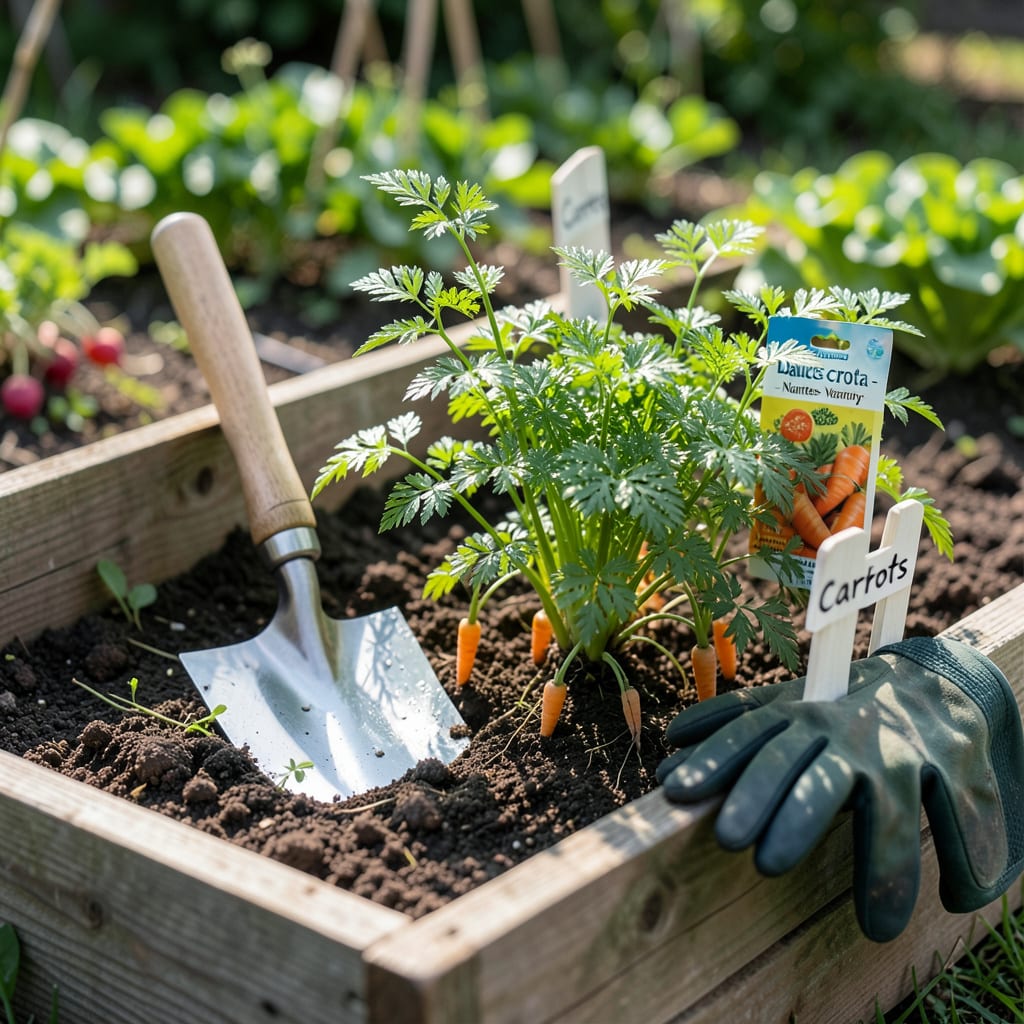
Ever pulled up bitter, woody carrots instead of the sweet, crisp 🥕 roots you dreamed of? In Zone 8a, timing isn’t just important—it’s the difference between a bumper crop and a garden flop. Our mild winters and scorching summers create a tight window for perfection.
I’ll show you exactly when to sow those tiny seeds for spring harvests bursting with flavor or fall roots that sweeten with frost. No more guessing—just foolproof timing tailored to your climate. Let’s dig into the secrets that’ll make your neighbors ask, “How’d you grow those?”
Getting your carrot planting timing right in Zone 8a can make or break your harvest. Our mild winters and scorching summers mean you’ve got two prime windows: early spring and fall. The key is avoiding extremes—soil temps below 40°F stall germination, while above 85°F triggers bitter bolting.
I’ve found that fall-planted carrots often taste sweeter because cooler soil converts more starches to sugars. But don’t wait too long—sow by mid-October to give roots time to size up before winter. Spring plantings need to go in 2–3 weeks before your last frost (around March 1 for most of Zone 8a).
| Season | Planting Window | Harvest Time | Key Tip |
|---|---|---|---|
| Early Spring | Feb 15–Mar 15 | May–June | Sow after soil hits 50°F |
| Late Summer | Aug 15–Sep 15 | Oct–Dec | Use shade cloth if temps exceed 85°F |
| Fall | Sep 15–Oct 15 | Dec–Feb | Mulch heavily for winter harvests |
Pro Tip: Succession plant every 3 weeks in spring for continuous harvests!
For spring plantings, I always check soil temps with a thermometer—50°F–70°F is the sweet spot. If your soil’s still cold, lay down black plastic for a week to warm it up. And here’s a trick: soak seeds overnight to speed germination in cooler spring soil.
Fall carrots are my favorite because they’re sweeter and face fewer pests. Start seeds in late August for a Thanksgiving harvest. If you’re in an urban heat island, delay until early September—those extra degrees can push soil temps too high for germination.
Watch your microclimates too. Low-lying areas frost earlier, while south-facing slopes warm faster. I once lost a fall crop because my raised beds froze 2 weeks before the ground-level garden. Now I use row covers to extend the season by 3–4 weeks.
If you’re tempted to plant in summer, don’t—unless you’re using shade cloth and drip irrigation. Zone 8a’s heat turns carrots bitter and woody. Instead, focus on fast varieties like ‘Paris Market’ (60 days) for late summer sowings.
Remember that soil prep matters more than timing. Carrots need loose, rock-free soil to grow straight. I mix in sand and compost before planting. Heavy clay? Try short varieties like ‘Danvers’ or grow in containers with a sandy loam mix.
For overwintering carrots, sow in October and mulch with 4–6 inches of straw. They’ll sweeten up during light frosts. Harvest as needed through winter, but pull them all before hard freezes (below 20°F) or they’ll turn mushy.
Finally, don’t forget succession planting. I sow a new row every 2–3 weeks from February to April, then again in August. This staggers harvests so I’m not overwhelmed with carrots all at once—and ensures I’ve always got fresh, crisp roots ready to pull! 🌱
Even with perfect timing, Zone 8a gardeners often sabotage their carrot crops without realizing it. I’ve made these mistakes myself—like planting too late in fall and ending up with stunted, pencil-thin roots because the soil cooled too fast. Let’s fix that!
The biggest blunder? Ignoring soil moisture during germination. Carrot seeds need consistent dampness for 14–21 days to sprout. Let the top inch dry out, and you’ll get spotty germination—or worse, crusty soil that seeds can’t push through. I now use a mist nozzle to keep the bed evenly moist.
Quick Fix: Test soil with a thermometer—wait for 50°F+ before sowing!
Another common mistake is using fresh manure. It might seem like a nutrient boost, but fresh manure creates uneven soil density, leading to forked or split roots. Stick with aged compost or worm castings instead. I learned this the hard way after pulling more “carrot monsters” than edible roots one season.
Don’t overlook soil prep either. Carrots need loose, rock-free soil to grow straight. If you’ve got heavy clay, mix in sand and compost before planting. For raised beds, I use a 50/50 blend of garden soil and sandy loam. Still struggling? Try short varieties like ‘Paris Market’—they handle tough soil better.
Overcrowding is another silent yield-killer. Those tiny seeds are tempting to leave as-is, but thin to 2 inches apart once sprouts hit 2 inches tall. Use scissors to snip (not pull) extras to avoid disturbing roots. I’ve found that pelleted seeds help with spacing—just plant them 1 inch apart and thin later.
Finally, summer heat can ruin carrots faster than you’d think. Zone 8a’s 90°F+ temps make roots bitter and woody. If you must plant in late summer, use 30% shade cloth and drip irrigation to keep soil cool. Or opt for heat-tolerant varieties like ‘Danvers’—they handle warmth better than most.
Remember: consistency is key. Carrots hate swings in moisture or temperature. Mulch with straw to regulate soil temps, and water deeply 1–2 times weekly (more in heat). Follow these fixes, and you’ll pull up straight, sweet roots every time—no more garden disappointments! 🪴
Not all carrots thrive in Zone 8a’s heat and long seasons. After years of testing, I’ve found the best varieties are heat-tolerant and fast-maturing—perfect for our climate. ‘Danvers’ (70 days) handles summer warmth, while ‘Paris Market’ (60 days) excels in heavy soil.
For early spring, ‘Nelson’ (55 days) is my go-to—it germinates in cooler soil and matures before summer heat hits. If you love colorful roots, try ‘Purple Haze’ (70 days) or ‘Cosmic Purple’ (75 days). Both hold their hue and flavor even in Zone 8a’s warmth.
| Variety | Days to Maturity | Best For | Key Trait |
|---|---|---|---|
| Danvers | 70 | Summer heat | Heat-resistant, classic flavor |
| Paris Market | 60 | Heavy/clay soil | Round shape, sweet taste |
| Nelson | 55 | Early spring | Cold-tolerant, fast |
| Purple Haze | 70 | Colorful harvests | Retains purple hue when cooked |
Pro Tip: For succession planting, mix fast (55–60 days) and slow (70+ days) varieties!
For fall planting, ‘Bolero’ (75 days) is a star—it resists pests and stores well in cool soil. If you want baby carrots, ‘Little Finger’ (55 days) is perfect for containers. Both handle Zone 8a’s temperature swings beautifully.
Don’t overlook white carrots like ‘Lunar White’ (70 days). They’re sweeter than orange varieties and less appealing to pests. I grow them every fall—they’re a hit in salads! For overwintering, ‘Merida’ (65 days) holds up well under mulch.
Remember: short varieties like ‘Paris Market’ are ideal for heavy or rocky soil. If your garden has clay, these round roots won’t fork or split. For sandy soil, longer types like ‘Imperator’ (75 days) thrive with their deep taproots.
To extend your harvest, succession plant every 3 weeks. Start with ‘Nelson’ in February, follow with ‘Danvers’ in March, then ‘Paris Market’ in August. This way, you’ll have fresh carrots from May through December—no grocery store needed! 🌿
It’s risky but possible with precautions. Zone 8a’s summer heat (often 90°F+) makes carrots bitter and woody. If attempting, use 30% shade cloth and drip irrigation to cool soil. Opt for heat-tolerant varieties like ‘Danvers’ and plant in late August for fall harvest.
Sow by mid-October to allow roots to size up before winter. In Zone 8a, soil temps drop quickly after November. For winter harvests, mulch heavily with 4–6 inches of straw. Pull all carrots before hard freezes (below 20°F) to prevent mushiness.
Bolting happens when carrots experience temperature swings or premature heat. In Zone 8a, sow 2–3 weeks before last frost (around March 1). Use row covers if late frosts threaten. Avoid planting too early—wait until soil reaches 50°F.
Fall-planted carrots taste sweeter because cool soil converts starches to sugars. Sow in late August–September for harvest after light frosts. For spring crops, choose fast-maturing varieties like ‘Nelson’ (55 days) and harvest before summer heat sets in.
