
Beautiful Plants For Your Interior
Beautiful Plants For Your Interior
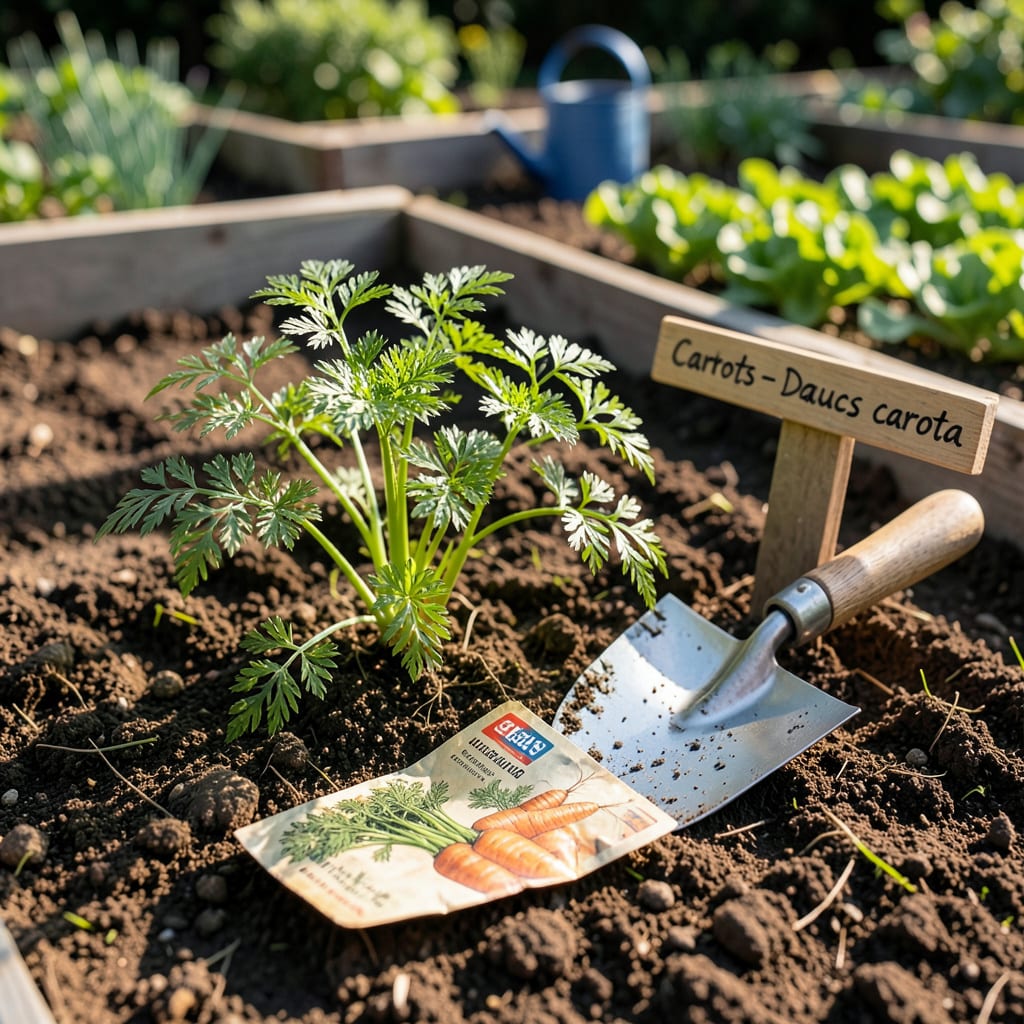
Timing your 🥕 Carrot planting in Zone 7b can mean the difference between sweet, crisp roots and tough, bitter disappointments. Plant too early, and frost might stunt their growth; wait too long, and summer heat turns them woody before they mature.
After testing multiple seasons in my own garden, I’ve nailed down the exact windows for spring and fall success. Whether you’re a beginner or looking to refine your harvest, I’ll show you how to sync with Zone 7b’s climate—so you pull up perfect carrots every time.
If you’re growing carrots in Zone 7B, timing isn’t just important—it’s everything. Plant too early, and a late frost might stunt your seedlings. Wait too long, and summer’s scorching heat will turn your sweet carrots bitter. The key is working with your last frost date (April 15) and first frost date (November 1) to nail those perfect windows.
I’ve found that spring planting gives you tender, early-season carrots, while fall planting often yields the sweetest roots. That’s because cooler fall temperatures help convert starches to sugars, giving you that crisp, candy-like crunch. But don’t just take my word for it—let’s break down the exact timing and why it matters.
| Season | Planting Window | Soil Temp | Days to Harvest | Notes |
|---|---|---|---|---|
| Early Spring | Feb 15–Mar 1 | 45°F–55°F | 70–80 days | Risk of frost; use row covers if needed. |
| Mid Spring | Mar 15–Apr 1 | 50°F–65°F | 60–70 days | Ideal for most varieties; avoid heavy rain periods. |
| Late Spring | Apr 15–May 1 | 60°F–70°F | 50–60 days | Use shade cloth if temps exceed 80°F. |
| Early Fall | Aug 15–Sep 1 | 65°F–75°F | 65–75 days | Plant 10–12 weeks before first frost. |
| Late Fall | Sep 15–Oct 1 | 55°F–65°F | 70–85 days | Sweetest flavor; mulch to extend season. |
For spring planting, I always aim for 2–4 weeks before the last frost. That usually means sowing seeds from late February to early April. The soil needs to be at least 45°F for germination, but don’t rush it—cold, wet soil can cause seeds to rot. If you’re eager, try ‘Nantes’ or ‘Chantenay’ varieties, which handle cooler temps better.
Now, fall planting is where the magic happens. I start sowing in mid-August through early October, ensuring the carrots have 10–12 weeks to mature before the first frost. The trick here is monitoring soil temps—if it’s still above 75°F, germination slows down. A light straw mulch helps keep the soil cool and moist.
Here’s a pro tip: succession planting works wonders in Zone 7B. I plant a new batch every 2–3 weeks from early spring to late summer. This way, I avoid a glut of carrots all at once and extend my harvest window. Just be sure to stop planting by early October—any later, and you risk frost damaging the roots before they mature.
If you’re dealing with heavy or clay soil, don’t despair. Work in plenty of compost or sand to loosen it up. Carrots need deep, friable soil to grow straight and long. I’ve had great success with ‘Danvers’ carrots in less-than-ideal soil—they’re shorter and stouter, so they handle compacted conditions better than long, tapered varieties.
Remember, soil moisture is critical during germination. Carrot seeds are tiny and need consistent moisture to sprout. I use a fine mist nozzle to water gently and cover the rows with burlap or row covers to retain humidity. Once the seedlings are up, thin them to 1–2 inches apart to prevent crowding, which leads to misshapen roots.
Finally, keep an eye on the weather forecast. If a late frost threatens your spring seedlings, toss a floating row cover over them. For fall plantings, be ready to add extra mulch if an early cold snap is predicted. With a little planning, you’ll be pulling up sweet, crunchy carrots well into winter.
And here’s a bonus: fall-harvested carrots can often be left in the ground under mulch and harvested as needed, even after light frosts. The cold actually improves their flavor by converting more starches to sugars. Just be sure to harvest them before the ground freezes solid, or you’ll be digging carrots out of a brick!
Even with perfect timing, your Zone 7B carrot crop can fail if you overlook these common pitfalls. I’ve made (and fixed!) each of these mistakes in my own garden, so you don’t have to. The good news? They’re all easy to avoid once you know what to watch for.
First up: compacted or rocky soil. Carrots need deep, loose soil to grow straight and long. If your soil is heavy clay or full of stones, those roots will fork, twist, or stunt. I learned this the hard way my first year—my ‘Imperator’ carrots looked more like abstract art than vegetables!
Problem: Heavy or compacted soil causes misshapen roots. Fix: Till to 12″ depth and mix in compost/sand. Try ‘Danvers’ varieties for tough soil.
Problem: Tiny seeds need constant moisture to sprout. Fix: Water lightly daily with a mist nozzle. Cover rows with burlap to retain humidity.
Problem: Temps above 80°F slow germination. Fix: Use shade cloth for late spring plantings. Mulch heavily to cool soil.
The second mistake I see gardeners make is inconsistent watering, especially during germination. Carrot seeds are tiny and need constant moisture to sprout. Let the soil dry out even once, and you’ll get patchy germination. My trick? Water with a fine mist nozzle daily until seedlings emerge.
Here’s a pro tip: Mix your carrot seeds with radish seeds (which germinate faster) to mark your rows. The radishes will sprout first, showing you where to water and thin. Plus, you’ll get an early harvest of radishes while waiting for your carrots to mature!
🌱Finally, don’t overlook Zone 7B’s summer heat. Carrots hate temps above 85°F—they’ll bolt or turn bitter. For late spring plantings, I always use 30% shade cloth during the hottest part of the day. Fall plantings are easier, but watch for soil temps above 75°F, which can delay germination.
One more thing: crowding is the silent killer of carrot harvests. Thin seedlings to 1–2 inches apart once they’re 2 inches tall. Yes, it’s painful to pull those tiny plants, but trust me—overcrowded carrots become stunted and deformed. Use scissors to snip extras at soil level to avoid disturbing roots.
✂️If you’re growing in containers, choose pots at least 12 inches deep and use a lightweight potting mix. I’ve had great success with ‘Paris Market’ carrots in containers—they’re round and only need 6 inches of depth. Just keep them watered; pots dry out faster than garden beds!
Not all carrots thrive equally in Zone 7B’s climate, where we deal with everything from spring frosts to summer heatwaves. After testing dozens of varieties, I’ve narrowed it down to the top performers that handle our clay-heavy soils, unpredictable temps, and long growing season. The right variety can mean straight roots instead of twisted disappointments!
For heavy or clay soil, you can’t beat ‘Danvers’ carrots. Their tapered shape and sturdy shoulders push through compacted ground better than most. If your soil is sandy or loamy, go for ‘Nantes’—they’re sweet, cylindrical, and mature quickly. And for short-season planting (like late fall), ‘Chantenay’ is my go-to because it matures in just 60 days.
| Variety | Best For | Days to Maturity | Shape | Soil Type |
|---|---|---|---|---|
| Danvers | Clay/heavy soil | 70–80 | Tapered, 6–7″ | Tolerates compacted |
| Nantes | Sandy/loamy soil | 65–70 | Cylindrical, 6–7″ | Needs loose, deep |
| Chantenay | Short seasons | 60–65 | Short, conical, 4–5″ | Adaptable |
| Paris Market | Containers | 60–70 | Round, 1–2″ | Any, minimal depth |
| Imperator | Deep, loose soil | 75–85 | Long, tapered, 8–10″ | Sandy loam only |
When it comes to spacing, I follow this rule: rows 12–18 inches apart, seeds sown ¼ inch deep, and thinned to 1–2 inches between plants. Crowding is the enemy of straight carrots! For ‘Imperator’ types, I go with 18-inch rows since they need extra depth. Use a seed tape or mix seeds with sand for even distribution—carrot seeds are tiny and hard to space by hand.
Here’s my thinning trick: Wait until seedlings are 2 inches tall, then snip (don’t pull!) the extras at soil level with scissors. Pulling can disturb the roots of neighboring plants. For fall plantings, I space seeds slightly closer (½ inch apart) to account for potential lower germination rates in warmer soil. Just be sure to thin aggressively once they sprout.
✂️If you’re growing in containers, choose ‘Paris Market’ or ‘Little Finger’ varieties—they’re compact and thrive in pots at least 12 inches deep. Fill containers with a lightweight potting mix (no garden soil!) and keep them consistently moist. Containers dry out faster, so check soil daily in summer. I like to add a layer of mulch on top to retain moisture and prevent crusting.
🪴Finally, don’t forget succession planting! In Zone 7B, I sow a new batch every 2–3 weeks from early spring to late summer. This staggers the harvest and prevents a carrot glut. For fall crops, aim to finish planting by early October so roots mature before the first frost. With the right varieties and spacing, you’ll be pulling up perfect carrots from spring through winter.
🌱Avoid summer planting—carrots struggle in temps above 80°F. The heat causes bitterness and bolting. Stick to spring (Feb–Apr) or fall (Aug–Oct) for best results.
Sow seeds just ¼ inch deep in loose, well-drained soil. Deeper planting slows germination, while shallow seeds dry out. Cover lightly with compost or vermiculite to retain moisture.
Cool fall temps convert starches to sugars, boosting sweetness. Plant 10–12 weeks before first frost (around Aug 15–Sep 1) and mulch heavily to extend the season.
Thin to 1–2 inches apart when seedlings reach 2 inches tall. Crowding causes misshapen roots. Use scissors to snip extras at soil level to avoid disturbing neighbors.
Yes! Choose ‘Paris Market’ or ‘Little Finger’ varieties and pots at least 12 inches deep. Use lightweight potting mix and water frequently—containers dry out faster than garden beds.
