
Beautiful Plants For Your Interior
Beautiful Plants For Your Interior
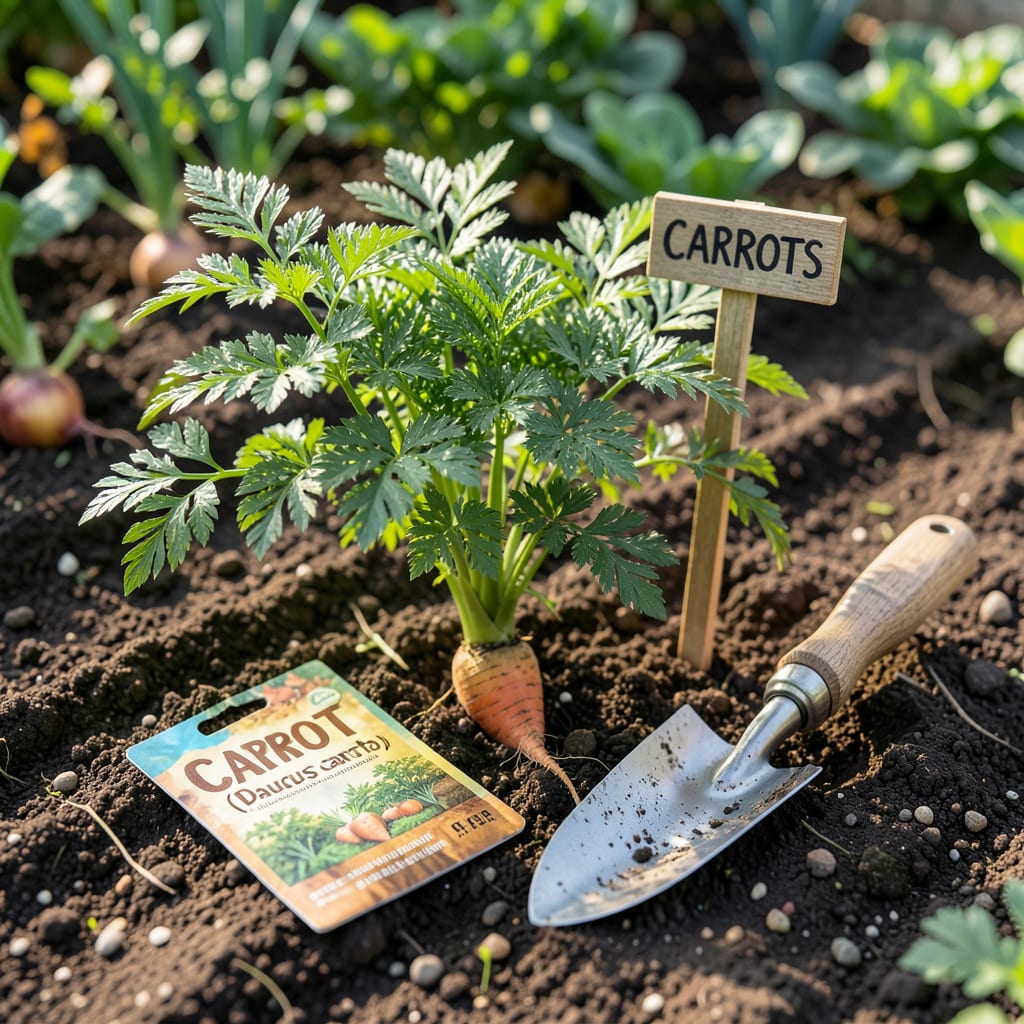
Timing can make or break your 🥕 carrot harvest in Zone 7—plant too soon, and frost might sabotage your crop. Wait too long, and summer’s heat could leave you with bitter, woody roots instead of sweet, crisp perfection.
After years of testing what works (and what doesn’t), I’ve nailed down the ideal windows for Zone 7 gardeners. Whether you’re aiming for a spring bounty or a fall harvest, I’ll show you exactly when to sow for the juiciest carrots you’ve ever grown.
In Zone 7, your carrot success hinges on two key seasons: early spring and late summer. The secret? Avoiding extreme heat and frost. I’ve found that March through April gives spring carrots a sweet start, while August to September sets up fall harvests perfectly.
Soil temperature is your best friend here. Carrot seeds germinate best when the soil hits 45°F–85°F. Too cold, and they’ll sulk. Too hot, and you’ll get fibrous, bitter roots. That’s why I always check with a soil thermometer before sowing.
For spring planting, aim to sow 2–3 weeks before your last frost (around April 15 in most of Zone 7). This gives seeds time to germinate in cool soil without frost damage. I like to cover beds with row fabric if nights dip below 30°F.
Fall carrots are my favorite—they’re sweeter after light frosts! Start seeds in late August so they mature in cooler weather. Pro tip: Mulch heavily to keep soil temps steady as nights cool. This prevents cracking and ensures tender roots.
Urban gardeners, take note: Your microclimate might be 5–10°F warmer than rural areas. Adjust planting dates 1–2 weeks earlier in spring if you’re in a heat island. I’ve seen city carrots bolt prematurely when planted too late!
If you’re tempted to try summer sowing, resist! Carrots planted in June or July often turn woody and bitter. The heat stresses them, and you’ll waste seeds. Stick to the spring/fall windows for reliable results.
For succession planting, I sow a new row every 2–3 weeks until mid-May. This staggers harvests and avoids gluts. Just stop by May 15—later sowings struggle with rising temps. Fall plantings can go until September 15 if you’re quick!
Remember, soil prep matters as much as timing. Carrots need loose, stone-free soil to grow straight. I till in compost and avoid fresh manure, which can fork roots. A pH of 6.0–6.8 is ideal—test yours before planting.
Finally, don’t forget to thin seedlings to 2 inches apart once they’re 1 inch tall. Crowding leads to stunted carrots. I use scissors to snip extras—pulling can disturb delicate roots. With the right timing and care, you’ll be pulling perfect carrots in no time! 🥕
Not all carrots thrive equally in Zone 7’s unique climate. I’ve tested dozens of varieties and found that matching the right type to your planting window makes all the difference. Early spring calls for fast-maturing varieties, while fall benefits from heat-tolerant types.
For spring planting, I swear by ‘Paris Market’ (50 days) and ‘Nantes’ (65 days). They germinate in cool soil and avoid bolting as temps rise. Fall gardens shine with ‘Danvers’ (75 days) or ‘Chantenay’ (70 days)—their deeper roots handle warmth better.
If you love colorful carrots, try ‘Purple Haze’ (70 days) in spring—its anthocyanins actually sweeten with frost. For storage, ‘Bolero’ (75 days) holds in the ground longer, perfect for Zone 7’s mild winters if mulched heavily.
Pro tip: Soak seeds overnight before planting—it speeds germination in Zone 7’s variable spring temps. I use a damp paper towel for 24 hours, then sow. This trick cuts germination time from 14–21 days down to 7–10 days!
For container gardeners, ‘Little Finger’ (55 days) and ‘Romeo’ (60 days) excel in pots. They need 12-inch depth and consistent moisture. I mix in sand to prevent forking in confined spaces.
Remember, seed freshness matters. Carrot seeds lose viability after 3 years. I test old seeds on a damp paper towel—if fewer than 70% sprout in 10 days, it’s time for new packets. Store seeds in a cool, dark place to extend shelf life.
Lastly, don’t overlook pelleted seeds if you struggle with spacing. They’re coated for easier handling, ensuring even 1-inch gaps. Just water gently after sowing—the pellets dissolve quickly in moist soil. Happy planting! 🥕
Even experienced gardeners can stumble when growing carrots in Zone 7. After years of trial and error, I’ve pinpointed the five biggest mistakes that sabotage carrot crops—and how to fix them. Let’s turn those woody, twisted roots into sweet, straight successes!
First up: overcrowding seeds. It’s tempting to scatter seeds thickly, but carrots need 2–3 inches of space to develop properly. I use a seed tape or mix seeds with sand for even distribution. Thin to 1 inch apart once sprouts reach 2 inches tall.
Another critical error? Using fresh manure. It introduces excess nitrogen, causing hairy, forked roots. I stick to well-aged compost or worm castings instead. If your soil is heavy clay, mix in sand or coconut coir to improve drainage and prevent misshapen carrots.
Don’t forget about seed depth—planting too deep (over ¼ inch) delays germination. I barely cover seeds with fine soil or vermiculite, then mist gently to avoid washing them away. Keep the soil evenly moist (not soggy) until sprouts appear in 10–14 days.
Finally, harvesting too late ruins texture. Carrots left too long become tough and fibrous. I check size by brushing soil from the shoulder—when roots reach ¾-inch diameter, it’s time to pull! Use a garden fork to loosen soil first and avoid breaking tops. 🥕
For fall harvests, sow seeds by September 15 at the latest. This ensures roots mature before the first frost (around October 15). I recommend ‘Danvers’ or ‘Chantenay’ varieties—they handle cooler temps better.
Use a soil thermometer to check temps at 2-inch depth. Carrot seeds germinate best when soil reaches 50°F. If it’s below 45°F, wait a week and test again. Morning sun warms soil faster than shaded spots.
Choose short varieties like ‘Paris Market’ or ‘Little Finger’. Use containers at least 12 inches deep with drainage holes. Mix potting soil with sand to prevent forking. Keep soil moist—containers dry out faster.
Bitterness usually comes from heat stress or inconsistent watering. Avoid planting after May 15—summer heat makes carrots woody. Mulch heavily and water 1 inch per week. Harvest before temps exceed 80°F regularly.
