
Beautiful Plants For Your Interior
Beautiful Plants For Your Interior
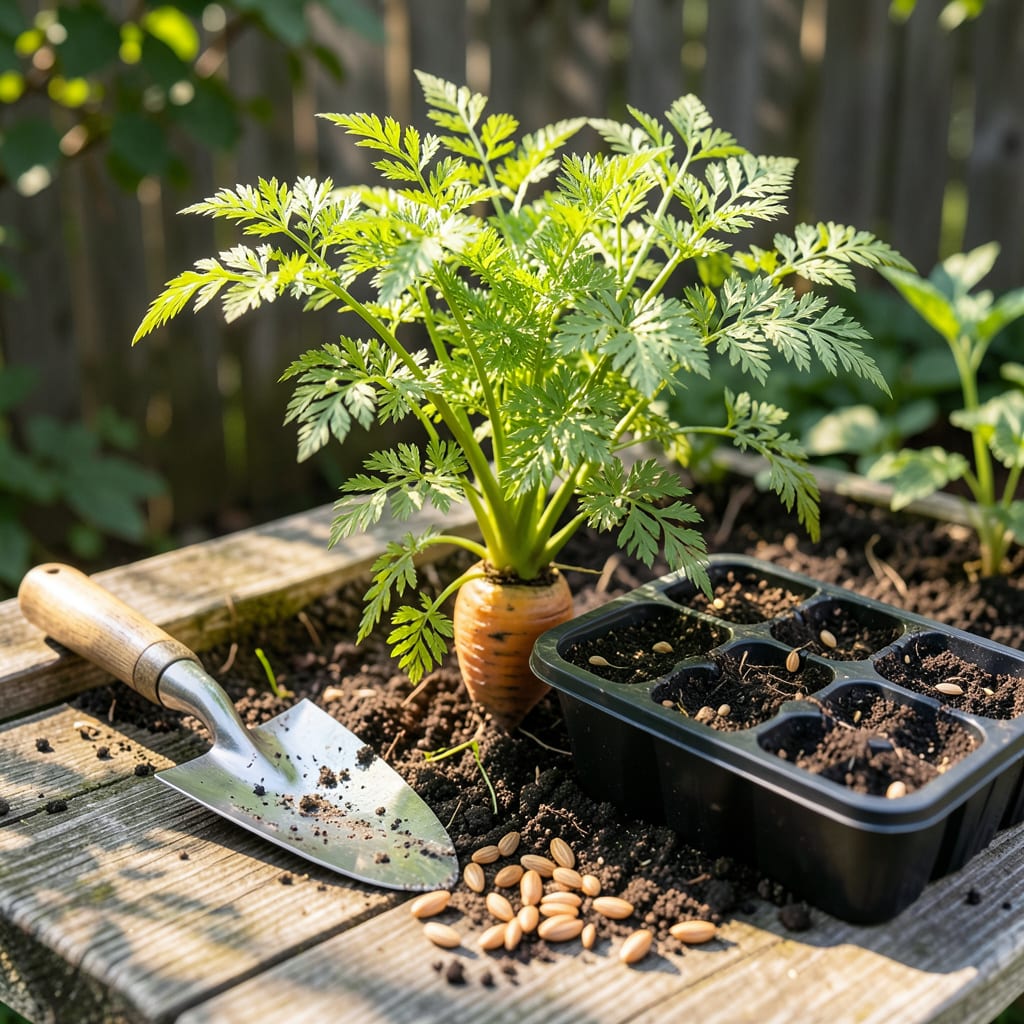
Timing your carrot planting in Wisconsin can mean the difference between sweet, crisp roots and tough, bitter disappointments. Our state’s short growing season and unpredictable frosts make nailing those planting windows absolutely critical.
After years of testing (and a few failed harvests), I’ve locked in the exact spring and fall windows that work for zones 4b-5a. Whether you’re in Green Bay or Madison, I’ll show you how to sync with Wisconsin’s climate for your best 🥕 crop yet.
If you’ve ever pulled bitter, stubby carrots from your Wisconsin garden, chances are your timing was off. Wisconsin’s short growing season—just 150 frost-free days—demands precision. Plant too early, and a late frost will stunt your seedlings. Wait too long, and summer heat turns those roots woody and tough.
The secret? Working with Wisconsin’s three USDA zones (3–5) and their unique frost dates. In southern Wisconsin (Zone 5), you’ll plant earlier than gardeners up north in Zone 3. I’ll break down the exact windows so you can harvest sweet, crisp carrots—not disappointing nubs.
Notice how Zone 5 gardeners get a 2–3 week head start over Zone 3? That’s the difference between harvesting in late June vs. mid-July. If you’re in Madison or Milwaukee, you can even sneak in a second fall crop if you plant by late July.
For spring plantings, aim for soil temps of 50°F+. Carrot seeds germinate slowly in cold soil, so I always cover beds with black plastic for a week beforehand to warm things up. In fall, the key is counting backward: sow 10–12 weeks before your first frost.
Don’t overlook microclimates! A south-facing slope in your yard might let you plant 1–2 weeks earlier than a shaded spot. And if you’re dealing with Wisconsin’s notorious heavy clay soil, mix in compost or sand to prevent forked roots.
Here’s a trick I swear by: Plant radishes alongside your carrots. They’ll sprout in 3–5 days, marking your rows while you wait for carrots to emerge (which can take 14–21 days). Plus, radishes help break up compacted soil—perfect for Wisconsin’s dense ground.
If you’re in northern Wisconsin (Zone 3), focus on fast-maturing varieties like ‘Paris Market’ (60 days) or ‘Nantes’ (65 days). Down south? You’ve got more flexibility—try ‘Danvers’ (75 days) for storage or ‘Bolero’ (70 days) for disease resistance.
Remember, carrots hate transplants. Always direct-sow seeds ¼ inch deep in loose, stone-free soil. Thin seedlings to 2 inches apart once they’re 2 inches tall—crowding is the #1 cause of stunted roots in Wisconsin gardens.
Finally, watch the 10-day forecast before planting. If nighttime temps will dip below 40°F, hold off or use floating row covers. Wisconsin weather is unpredictable, but with these windows, you’ll outsmart it every time. 🌱
Even with perfect planting timing, Wisconsin gardeners often sabotage their carrot crops without realizing it. I’ve seen forked roots, bitter flavors, and stunted growth ruin entire harvests—all from avoidable mistakes. Let’s tackle the top five blunders I’ve made (and fixed) in my Wisconsin garden.
The biggest offender? Ignoring soil temperature. Carrot seeds won’t germinate well below 50°F, and Wisconsin’s spring soil stays cold longer than you’d think. I lost an entire early planting by sowing in 45°F soil—only 20% sprouted. Now I use a soil thermometer and warm beds with black plastic for a week beforehand.
Another silent killer? Planting too deep. Carrot seeds need light to germinate, so sow just ¼ inch deep and barely cover with soil. Press gently to ensure contact—don’t bury them. I boost germination by misting beds daily until sprouts appear (which can take 14–21 days in cool Wisconsin springs).
Wisconsin’s short season also means pest pressure is intense. Carrot rust flies lay eggs at the base of plants, and their larvae tunnel into roots. I prevent this by planting onions or leeks nearby—their scent deters flies. Rotate crops yearly to break pest cycles.
Don’t forget succession planting! For continuous harvests, sow a new row every 2–3 weeks until mid-June. In southern Wisconsin (Zone 5), you can add a late-July planting for fall carrots. Just be sure to mulch heavily to protect late-season roots from frost.
Finally, harvest timing matters as much as planting. Leave carrots too long, and they turn woody and bitter. Pull when roots reach ¾–1 inch in diameter (about 60–75 days for most varieties). In Wisconsin, that’s typically late June for spring plantings and September for fall crops. Store harvested carrots in the fridge with greens removed to keep them crisp for weeks. 🥕
Not all carrots thrive in Wisconsin’s short growing season and cool climate. After testing dozens of varieties, I’ve narrowed it down to the top performers that handle our heavy soil, late frosts, and quick transitions from spring to summer heat.
The key is matching days to maturity with your zone. In northern Wisconsin (Zone 3), you’ll want 60-day varieties like ‘Paris Market’. Down south in Zone 5, you can push to 75-day types like ‘Danvers’ for bigger harvests.
For heavy clay soil common in Wisconsin, ‘Nantes’ and ‘Scarlet Nantes’ are my top picks. Their cylindrical shape resists forking better than tapered varieties. If your soil is rocky or shallow, try ‘Paris Market’—its round roots grow just 2 inches wide.
Cold-hardy varieties like ‘Bolero’ are perfect for fall plantings. They tolerate light frosts and store well, making them ideal for Wisconsin’s short fall window. I’ve harvested ‘Bolero’ as late as October 15 in Zone 5 with row covers.
If you’re in southern Wisconsin and want to experiment, try ‘Cosmic Purple’ (70 days). It adds color to your harvest and handles heat better than orange varieties. Just be sure to mulch heavily to retain moisture during our summer dry spells.
Remember, seed freshness matters! Carrot seeds lose viability after 2–3 years. For Wisconsin’s short season, I always use current-year seeds and sow 20% extra to account for cooler germination. Store leftover seeds in the fridge to extend their life. 🌱
Yes, but with caution. Carrot seeds can germinate in soil as cool as 40°F, but sprouts are vulnerable to hard frosts. In southern Wisconsin (Zone 5), you can plant 2-3 weeks before the last frost. Up north (Zone 3), wait until soil reaches at least 50°F.
Count backward from your first frost date. In Zone 5, sow by late July for an October harvest. For Zone 3, plant by early July. Choose fast-maturing varieties like ‘Nantes’ (65 days) and use row covers to extend the season.
Use floating row covers or cloches to shield seedlings when temps drop below 32°F. Remove covers during the day if temperatures exceed 75°F to prevent overheating. Mulching with straw also helps insulate soil and retain warmth.
This usually happens in Wisconsin’s heavy clay soil. Loosen the soil to 12 inches deep and mix in compost or sand before planting. Avoid fresh manure, which can also cause forking. Plant shorter varieties like ‘Paris Market’ if your soil is rocky.
Use a container at least 12 inches deep with drainage holes. Fill with a mix of potting soil and sand for good drainage. Water more frequently than in-ground plants, as containers dry out faster. Try ‘Little Finger’ or ‘Short ‘n Sweet’ varieties.
