
Beautiful Plants For Your Interior
Beautiful Plants For Your Interior
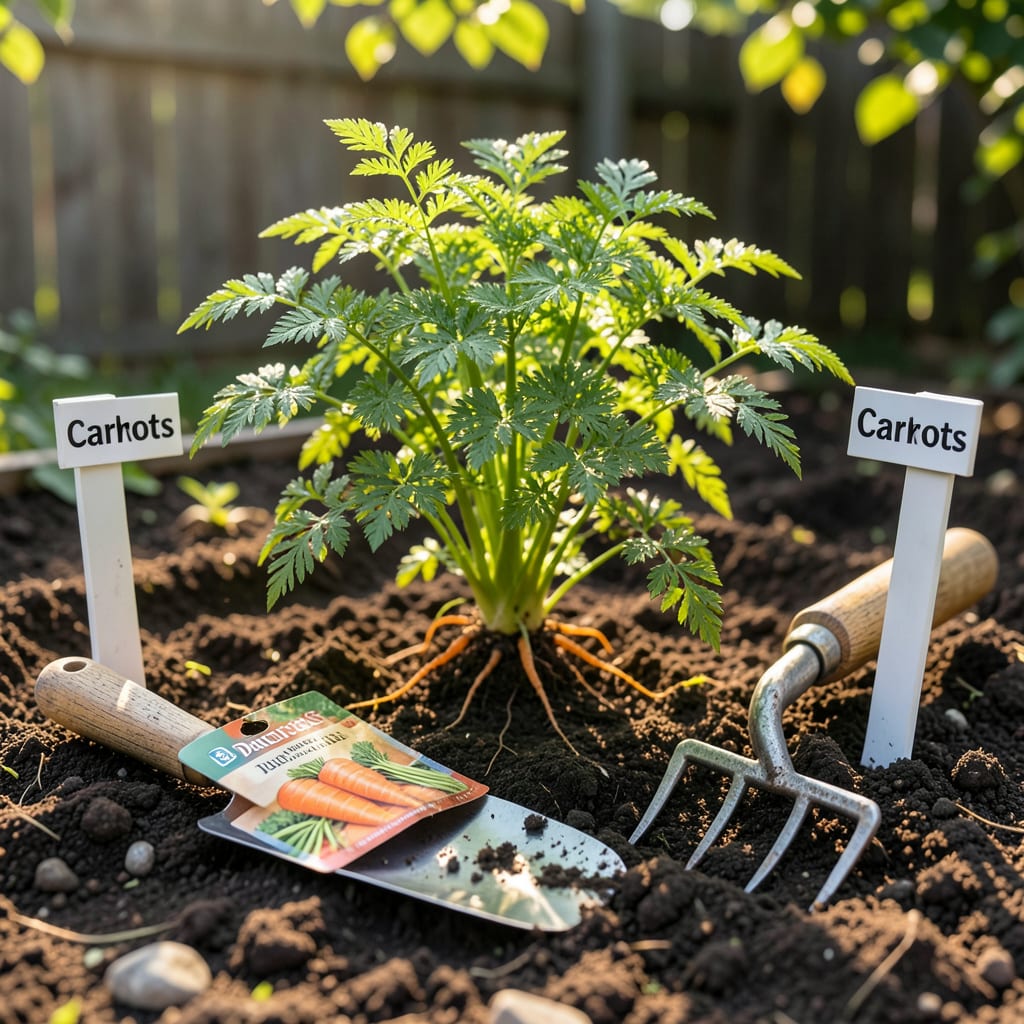
Timing can make or break your 🥕 carrot harvest in Virginia. Plant too early, and a late frost might wipe out your seedlings. Wait too long, and summer’s scorching heat could leave you with stunted, bitter roots.
After years of testing what works in Zone 7a, I’ve nailed down the perfect planting windows—so you can pull sweet, crisp carrots straight from your garden. Let’s cut through the guesswork and get your crop off to the best start.
Virginia’s diverse climate means your carrot planting schedule depends heavily on where you live. From the humid Coastal Plain to the cooler Mountain regions, timing varies by weeks. The key is working around our last frost date (April 15 in Zone 7a) and soil temperature—carrots germinate best at 45–55°F.
I’ve found that spring plantings (March–April) give you an early summer harvest, while fall plantings (August–September) often produce sweeter roots thanks to cooler temps. But don’t just go by the calendar—watch your local soil conditions and microclimates too. 🌱
| Region | Spring Planting | Fall Planting | Last Frost | First Frost |
|---|---|---|---|---|
| Coastal Plain (Zones 7b–8a) | Late Feb–March | Mid-Aug–Sept | March 20 | November 10 |
| Piedmont (Zones 7a–7b) | March–Early April | Late Aug–Early Sept | April 15 | October 25 |
| Mountains (Zones 6a–6b) | April–Early May | Early Aug | May 1 | October 10 |
*Adjust dates by 1–2 weeks based on microclimates and recent weather patterns.
In the Coastal Plain, you can start as early as late February if you use row covers to protect against chilly nights. I’ve had great success with this trick—just remove the covers once daytime temps hit 60°F to prevent overheating. 🌡️
The Piedmont’s clay-heavy soil warms slower, so I recommend waiting until early April unless you amend with compost. For fall crops, aim to plant by September 1 so roots mature before the first frost. A light mulch layer helps extend the season.
Mountain gardeners face the shortest growing window. Start seeds indoors in peat pots by mid-March for transplanting in May. Fall plantings are riskier here—opt for fast-maturing varieties like ‘Nantes’ (60 days) and use black plastic mulch to warm soil faster. ✂️
For succession planting, sow a new batch every 2–3 weeks until late spring. This staggers your harvest and prevents gluts. In fall, plant 3–4 weeks before your first frost—carrots taste sweeter after a light frost, but hard freezes will damage them.
Pro tip: Test your soil temp with a thermometer before planting. If it’s below 40°F, seeds may rot. Above 85°F, germination slows dramatically. I keep a garden journal to track yearly variations—it’s saved my harvest more than once! 📋
Don’t forget variety selection matters too. Short types like ‘Paris Market’ thrive in spring’s shallow soil, while longer ‘Danvers’ carrots need the deeper, looser beds of fall. In humid areas, choose disease-resistant cultivars like ‘Bolero’ to fight leaf blight. 🌿
Finally, watch the 10-day forecast before sowing. If heavy rain is predicted, delay planting—carrot seeds can wash away or crust over in soggy soil. A light drizzle after planting is ideal for settling seeds without causing rot. 💧
Even experienced gardeners can sabotage their Virginia carrot crop with simple oversights. After years of trial and error in Zone 7a, I’ve pinpointed the five most costly mistakes—and how to sidestep them. The biggest culprit? Compacted soil, which stunts roots and invites pests. 🌱
Another common blunder is inconsistent moisture during germination. Carrot seeds need evenly damp soil for 14–21 days to sprout. Let them dry out, and you’ll face patchy rows. Overwater, and seeds rot. It’s a delicate balance, but I’ll show you how to nail it.
One mistake I see often in Coastal Virginia is planting too late in spring. By May, rising temps cause bitter, woody carrots. Shift to shade cloth if you must plant late—it lowers soil temp by 5–10°F. Mountain growers, take note: late frosts can wipe out seedlings until mid-May. ✂️
Here’s a pro trick for clay soil: broadcast gypsum (1 lb/10 sq ft) before planting. It loosens soil without altering pH. In sandy Coastal soils, add 1 inch of compost to retain moisture. Always test soil pH—carrots prefer 6.0–6.8. Adjust with lime if needed.
Don’t overlook seed depth—planting too deep (over ¼ inch) delays germination. In dry spells, mist beds daily until sprouts appear. Once leaves reach 3 inches, switch to deep weekly watering (1 inch total) to encourage root growth. Use a soaker hose to avoid wetting foliage, which invites disease. 💧
Finally, resist the urge to fertilize heavily. Too much nitrogen = hairy roots. I use a 5-10-10 blend at planting, then side-dress with compost tea mid-season. In humid areas, copper fungicide every 3 weeks prevents leaf spot. Keep records—what fails one year may thrive the next!
Not all carrots thrive equally in Virginia’s humid summers and variable springs. After testing dozens of varieties in Zone 7a, I’ve found the best performers for our climate—short, quick-maturing types for spring and longer, sweeter roots for fall. The key is matching the root shape to your season and soil. 🌱
For spring planting, focus on varieties that tolerate cooler soil and resist bolting as temps rise. My top picks are ‘Paris Market’ (round, 60 days) and ‘Little Finger’ (4-inch, 55 days). Both handle Virginia’s clay-heavy Piedmont soil better than long types. In Coastal areas, try ‘Mokum’—it’s bred for high humidity.
For fall planting, shift to varieties that mature in cool weather and sweeten with frost. My go-tos are ‘Danvers 126’ (75 days, classic flavor) and ‘Bolero’ (70 days, disease-resistant). Both handle Virginia’s fall humidity and store well. Mountain gardeners should try ‘Nelson’—it’s cold-hardy and matures in just 55 days. 🌿
In Coastal Virginia, where leaf blight is common, I swear by ‘Chantenay Red Core’. Its thick shoulders push through heavy soil, and it resists fungal diseases. For Piedmont gardeners, ‘Scarlet Nantes’ (70 days) is a winner—its cylindrical shape grows straight even in slightly compacted ground.
Pro tip: For succession planting, pair fast varieties like ‘Adelaide’ (50 days) with slower ones like ‘Danvers’ (75 days). This extends your harvest window. Always thin seedlings to 2 inches apart—crowding causes misshapen roots. Use the thinnings in salads! ✂️
Remember, seed freshness matters! Carrot seeds lose viability after 3 years. I test germination by placing 10 seeds on a damp paper towel—if fewer than 7 sprout in 10 days, buy fresh seeds. Store extras in the fridge in a sealed jar with a silica packet to extend shelf life. 📋
Carrot seeds germinate best when soil temps hit 45–55°F. Below 40°F, they risk rotting, while temps above 85°F slow germination dramatically. Use a soil thermometer to check before sowing—it’s a game-changer!
Summer heat is risky for carrots in Virginia—they’ll turn bitter or bolt. Instead, focus on fall plantings (August–September) for a sweeter harvest. If you must plant late, use shade cloth to keep soil temps below 80°F.
Clay soil compacts easily, causing forked roots. Work in 2–3 inches of compost or sand to a 12-inch depth before planting. For extra insurance, choose short varieties like ‘Paris Market’ that tolerate heavier soil.
Row covers protect seedlings from late frosts and speed up germination by 2–3 weeks. Just remove them once daytime temps hit 60°F to prevent overheating. Coastal gardeners can start as early as late February with this trick.
