
Beautiful Plants For Your Interior
Beautiful Plants For Your Interior
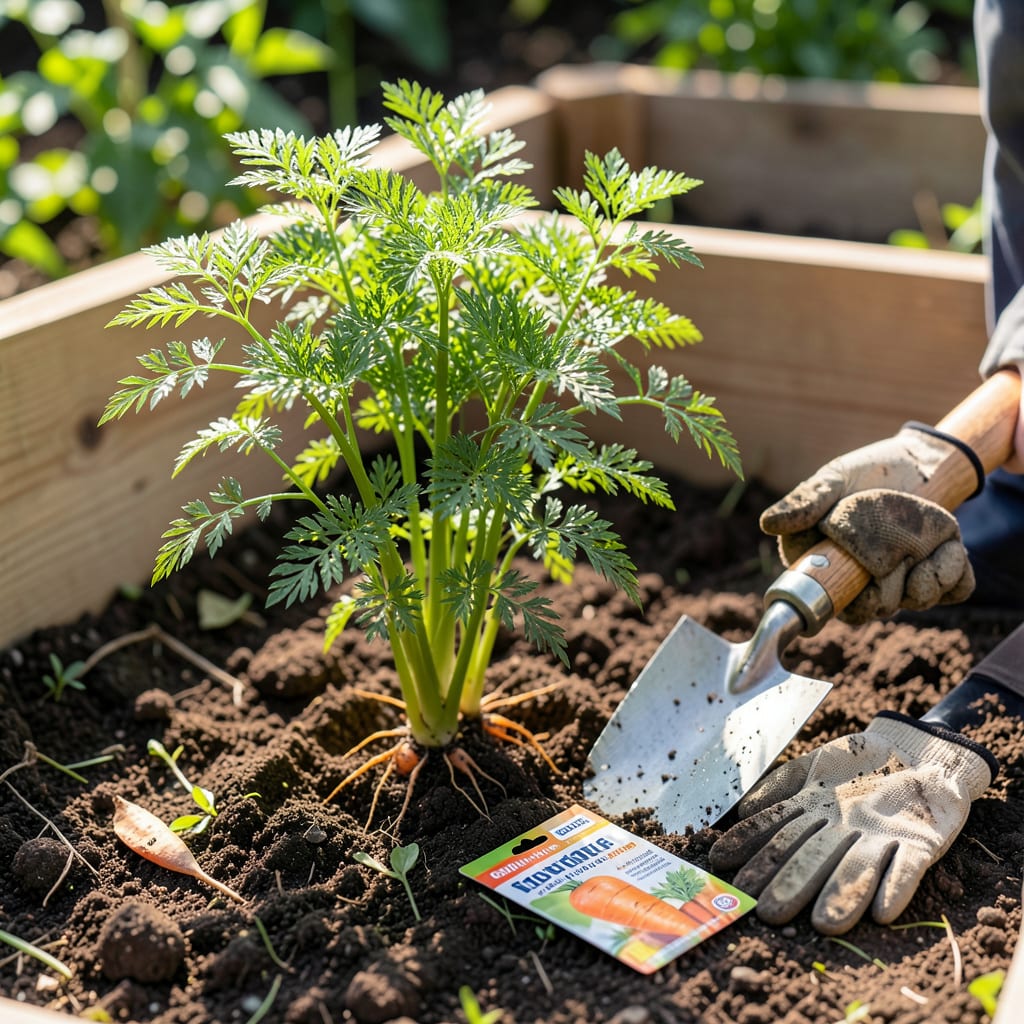
Ever pulled up a sad, stubby 🥕 instead of the long, sweet carrots you dreamed of? In Utah, timing isn’t just important—it’s everything. Plant too early, and frost zaps your seedlings. Wait too long, and the summer heat turns them bitter.
After years of testing (and a few failed harvests), I’ve cracked the code for Utah’s finicky climate. Whether you’re in Salt Lake’s zone 5b or St. George’s warmer pockets, I’ll show you the exact windows to plant for crisp, homegrown carrots—twice a year.
If you’ve ever bitten into a homegrown Utah carrot, you know the difference—crisp, sweet, and bursting with flavor. But nailing the planting timing is tricky in our state’s wild climate swings. From high desert heat to mountain frosts, Utah’s zones demand precision.
Here’s the golden rule: Carrot seeds germinate best when soil temps hit 45–85°F. Plant too early in cold, wet soil, and they’ll rot. Wait too long, and summer scorchers turn them bitter. Let’s break it down by zone—because Salt Lake City and St. George might as well be different planets! 🌱
| USDA Zone | Spring Planting Window | Fall Planting Window | Last Frost Date | First Frost Date | Best Varieties |
|---|---|---|---|---|---|
| Zone 4 (Park City, Heber) |
May 1–June 1 (Soil warms late!) |
July 15–Aug 1 (Early fall harvest) |
June 1 | September 10 | ‘Nantes’, ‘Mokum’ (Short-season) |
| Zone 5 (Salt Lake City, Ogden) |
April 1–May 15 (Avoid late frosts) |
August 1–20 (Harvest by Oct) |
May 10 | October 10 | ‘Danvers’, ‘Chantenay’ (Clay-tolerant) |
| Zone 6 (Provo, Orem) |
March 15–April 30 (Earlier start OK) |
August 15–Sept 1 (Longer fall window) |
April 20 | October 20 | ‘Bolero’, ‘Nelson’ (Heat-resistant) |
| Zone 7 (St. George, Cedar City) |
February 15–March 30 (Watch for heat) |
September 1–20 (Winter harvest possible) |
March 15 | November 15 | ‘Sugarsnax’, ‘Atomic Red’ (Drought-tolerant) |
💡 Pro Tip: Adjust dates by 1–2 weeks for microclimates (e.g., urban heat islands or shaded valleys).
See how elevation plays a huge role? In Zone 4, you’re planting carrots when Zone 7 gardeners are already harvesting! For high-altitude areas, I always recommend using a soil thermometer—don’t guess. Aim for 50°F+ at 2-inch depth before sowing.
Now, about those fall carrots—they’re often sweeter because cooler temps convert starches to sugars. But timing is everything. Count backward from your first frost date and plant 10–12 weeks prior. In Salt Lake (Zone 5), that means seeds in the ground by mid-August.
If you’re in southern Utah (Zone 7), you’ve got a secret weapon: winter carrots. Sow in September, and with a little row cover protection, you can harvest through December. Varieties like ‘Merida’ handle the mild winters beautifully.
Still unsure? Here’s my foolproof trick: Succession plant every 2–3 weeks from early spring to late summer. This way, you’ll always have carrots at the perfect stage—and if one batch fails (thanks, Utah weather!), you’ve got backups. Just thin seedlings to 2 inches apart to avoid crowding.
Remember, carrot seeds are slow germinators—14–21 days isn’t unusual. Keep the soil consistently moist (not soggy!) during this time. A light mulch of straw helps retain moisture and prevents crusting, which can block delicate sprouts.
One last thing: Utah’s clay soil is the nemesis of straight, smooth carrots. If you’re dealing with rocks or heavy clay, opt for shorter varieties like ‘Paris Market’ (round!) or ‘Little Finger’. Or better yet, build a raised bed with loamy, sandy soil—your carrots will thank you! 🪴
Ready to dig in? Grab your seeds, check your zone, and mark those dates on your calendar. With this schedule, you’ll be pulling up crunchy, homegrown carrots while your neighbors are still wondering why theirs turned out woody. Happy planting!
Utah’s soil can feel like a carrot’s worst nightmare—heavy clay, rocks, and alkaline pH that stunts growth. But don’t let that stop you! With a few simple tweaks, you can transform even the toughest ground into a carrot paradise.
First, know this: Carrots crave loose, sandy soil to grow straight and long. Utah’s native clay compacts easily, leading to forked or stubby roots. The fix? Amend your soil before planting—I’ll show you how to do it right without breaking your back.
If your soil is extremely rocky or compacted, consider raised beds. Fill them with a mix of 60% topsoil, 30% compost, and 10% sand. This gives carrots the loose, well-draining environment they love. I’ve seen 12-inch-long carrots grown in raised beds where in-ground plants struggled to reach 3 inches!
Here’s a Utah-specific hack: If you’re gardening in alkaline soil (common in southern Utah), mix in peat moss or sulfur to lower the pH slightly. Carrots prefer a pH of 6.0–6.8. A simple soil test (available at local extension offices) takes the guesswork out of amendments.
Don’t forget about fertilizer—but use it sparingly. Too much nitrogen leads to bushy tops and forked roots. Stick with a low-nitrogen, high-phosphorus fertilizer (like 5-10-10) applied once at planting and again mid-season. Organic options like bone meal or fish emulsion work great too.
Finally, watch for pests! Utah’s carrot rust flies and wireworms love to attack roots. Prevent them by rotating crops (don’t plant carrots in the same spot yearly) and using floating row covers until plants are established. If you spot tunnels in roots, it’s likely wireworms—solarize the soil before your next planting.
With these tips, you’ll turn Utah’s toughest soil into a carrot-growing powerhouse. Trust me, nothing beats the taste of a homegrown carrot pulled fresh from the earth—especially when you’ve outsmarted the challenges! Now grab your gloves and get planting. 🪴
Even with perfect timing, Utah’s unpredictable climate and tough soil can trip up carrot growers. I’ve seen it all—stubby roots, bitter harvests, and seedlings that never sprout. The good news? Most failures come from just three avoidable mistakes.
First, let’s talk about overcrowding. It’s tempting to scatter seeds thickly, but carrots need space—at least 2 inches apart—to develop properly. Crowded plants compete for nutrients, leading to misshapen, tiny roots. Thin seedlings early, or you’ll regret it later! 🌱
Another biggie? Neglecting soil moisture during germination. Carrot seeds take 14–21 days to sprout, and Utah’s dry air can desiccate them fast. Keep soil evenly damp—not soggy—using a soaker hose or drip irrigation. A light straw mulch helps retain moisture without smothering seeds.
Here’s a mistake I made my first year: planting too late in spring. By the time seeds sprouted, June heat hit, and my carrots turned woody and bitter. In Utah, spring plantings must go in 2–3 weeks before last frost (check your zone!). For fall crops, plant by mid-August in most areas to avoid early freezes.
Finally, don’t forget pest patrol. Utah’s carrot rust flies and wireworms love to tunnel into roots. Prevent them with floating row covers and crop rotation. If you spot yellowing foliage or hole-riddled roots, act fast! Remove infected plants and solarize the soil before replanting.
Remember, even experienced gardeners face carrot challenges in Utah. The key is learning from mistakes and adjusting. Next season, you’ll be pulling up straight, sweet carrots that put grocery store versions to shame. Now go fix those errors—and happy growing! 🪴
Carrot seeds germinate best when soil reaches 45–85°F. In Utah, use a soil thermometer to check 2-inch depth—aim for at least 50°F before sowing. Cold soil slows germination and risks rot.
Choose containers at least 12 inches deep and fill with loose, sandy potting mix. Short varieties like ‘Paris Market’ or ‘Little Finger’ work best. Water every 3–4 days—containers dry out faster.
Cover seedlings with floating row fabric or a lightweight blanket when temps drop below 28°F. In southern Utah (Zone 7), you can often harvest through December with protection. Mulch with straw for extra insulation.
Utah’s heavy clay or rocky soil is usually the culprit. Amend beds with compost and sand before planting, or opt for raised beds. Short varieties like ‘Chantenay’ tolerate tough soil better. Forked roots can also mean overcrowding—thin to 2 inches apart.
