
Beautiful Plants For Your Interior
Beautiful Plants For Your Interior
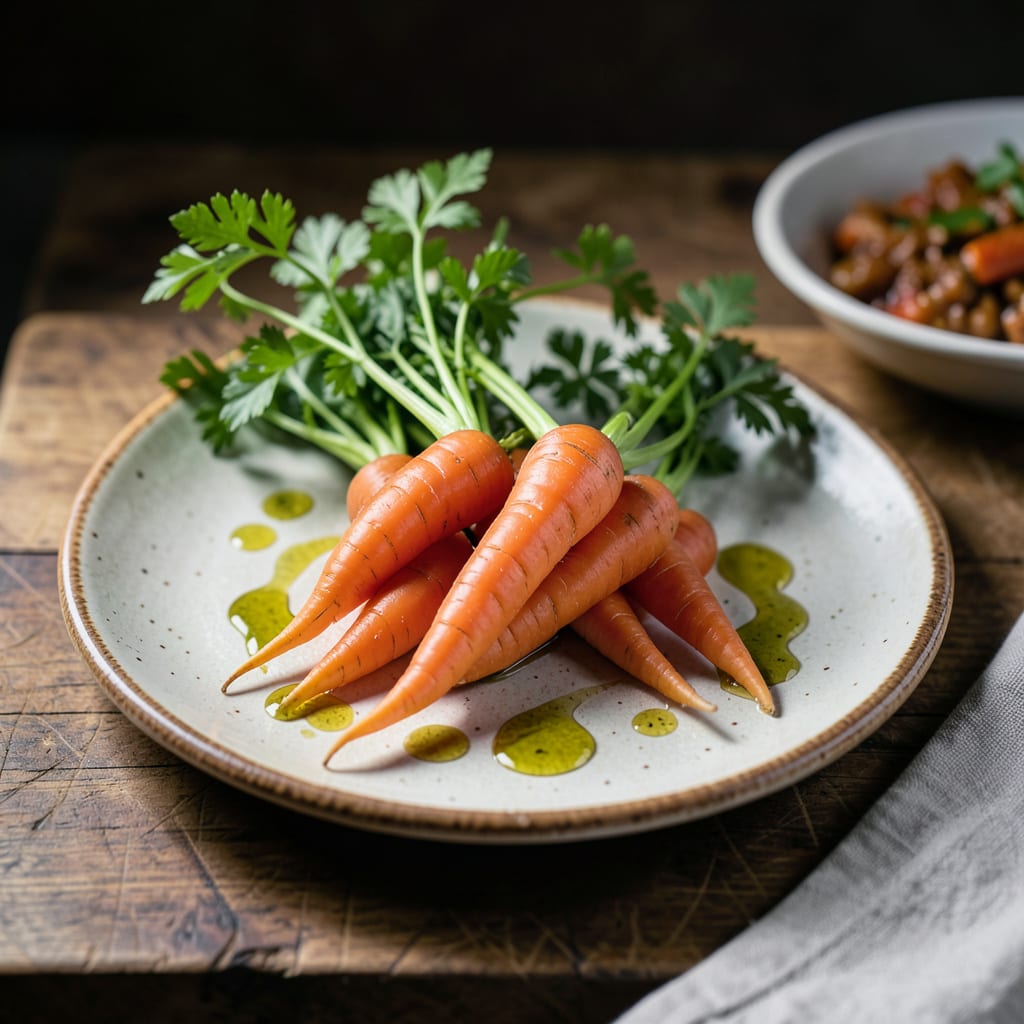
Growing carrots 🥕 in Texas can be challenging due to the state’s diverse climate. As a gardener in Texas, particularly in USDA Zone 8a, you need to time your planting just right to achieve a successful harvest.
The ideal times to plant carrots in Texas are during the spring (February to May) and fall (August to October) seasons. Understanding these planting windows is crucial for maximizing your yield.
Planting carrots in Texas requires understanding the state’s diverse climate zones and seasonal variations. The ideal planting times vary across different regions, making it crucial to know the specific conditions for your area.
Texas has multiple climate zones that affect carrot planting. The spring and fall seasons are generally considered the best times to plant carrots across the state. However, the exact timing can differ based on the region.
The last frost date is a critical factor in determining when to plant carrots. In Texas, this date varies by region: North Texas typically experiences its last frost around March 15, while South Texas sees it earlier, around February 15. For West Texas, the last frost date is usually around April 1.
For a spring harvest, plant carrots 4 weeks before the last expected frost. For a fall harvest, plant 8 to 10 weeks before the first expected frost. Understanding these frost dates helps you time your planting correctly.
Soil temperature is another critical factor in carrot cultivation. Carrots prefer soil temperatures between 60°F and 70°F for optimal germination. In Texas’s climate, this means planting when the soil has cooled sufficiently in fall or warmed appropriately in spring 🌡️.
Regional variations also affect soil conditions. Sandy soils in South Texas may require different management compared to heavier clay soils in North Texas. Understanding your local soil type is essential for successful carrot cultivation 🌱.
For gardeners in Texas, monitoring local weather forecasts and frost advisories is crucial. This information helps you make informed decisions about when to plant and how to protect your crops 🌟.
By understanding the specific planting times for your region and considering factors like frost dates and soil temperature, you can significantly improve your chances of a successful carrot harvest in Texas.
Successful carrot cultivation in Texas requires careful planning and attention to regional details. By following these guidelines, you can enjoy a bountiful harvest of delicious, crunchy carrots 🥕.
Preparing the soil properly is a critical step in growing successful carrots in Texas. The right soil conditions can make a significant difference in the quality and yield of your carrot crop 🌿.
Carrots prefer well-draining, loose soil that is free of rocks and debris. To achieve this, you should start by testing your soil type and composition. Texas gardens often have varying soil types, ranging from sandy soils in some areas to heavier clay soils in others.
For optimal carrot growth, ensure your soil has a pH between 6.0 and 7.0 and is rich in organic matter. Adding compost can improve soil structure and fertility, creating ideal conditions for carrots 🌱.
To prepare your soil for carrot planting, begin by removing any debris and loosening the soil to a depth of at least 12 inches. This helps to create a smooth, even texture that allows carrot roots to grow straight and unobstructed 🌟.
Adding organic matter such as compost or well-rotted manure can significantly improve soil quality. It enhances drainage, aeration, and nutrient availability, all of which are crucial for healthy carrot development 🥕.
In Texas’s climate, it’s also important to consider soil temperature. Carrots germinate best in soil temperatures between 60°F and 70°F. You can check soil temperature with a soil thermometer to ensure optimal conditions for planting 🌡️.
By taking the time to properly prepare your soil, you can create an ideal environment for your carrots to thrive. This preparation, combined with the right planting times, will help ensure a successful and bountiful harvest 🎯.
For gardeners in Texas, understanding and adapting to local soil conditions is key to growing great carrots. With the right soil preparation and care, you can enjoy a delicious and crunchy carrot crop 🥕.
When planting carrots in Texas, it’s crucial to avoid common mistakes that can lead to poor yields or crop failure. One of the most significant errors is poor soil preparation. Carrots require well-draining, loose soil to grow properly. Failing to remove debris and rocks can cause the carrots to become deformed 🌿.
Avoid overcrowding your carrot seeds. Plant them ¼ inch apart to prevent competition for nutrients and space. Proper spacing ensures healthy growth and development 🚨.
Another mistake is incorrect timing. Planting carrots at the wrong time can expose them to extreme weather conditions. For a successful harvest, plant carrots during the spring (February to May) or fall (August to October) seasons, avoiding the peak summer heat ☀️.
Inadequate watering is also a common issue. Carrots need consistent moisture, especially during germination. Ensure the soil remains moist but not waterlogged. Adjust your watering schedule based on weather conditions ⛅️.
By avoiding these common mistakes, you can significantly improve your chances of growing healthy, delicious carrots in Texas. Pay attention to soil preparation, spacing, timing, and watering to achieve a bountiful harvest 🥕.
For gardeners in Texas, being mindful of these factors will help you cultivate a successful carrot crop. With proper care and attention, you can enjoy a rewarding gardening experience and a plentiful harvest 🌼.
The best times to plant carrots in Texas are during the spring (February to May) and fall (August to October) seasons. These periods offer optimal soil temperatures for germination and growth. Planting during these windows helps avoid extreme weather conditions.
To prepare your soil, remove debris and loosen it to a depth of at least 12 inches. Carrots prefer well-draining, loose soil with a pH between 6.0 and 7.0. Adding compost can improve soil structure and fertility, creating ideal conditions for carrots.
Common mistakes include poor soil preparation, overcrowding, and incorrect timing. Plant seeds ¼ inch apart and avoid planting during peak summer heat. Consistent moisture is also crucial, especially during germination.
Carrots need consistent moisture, especially during germination. Water them every 3-4 days, adjusting based on weather conditions. Ensure the soil remains moist but not waterlogged to promote healthy growth.
