
Beautiful Plants For Your Interior
Beautiful Plants For Your Interior
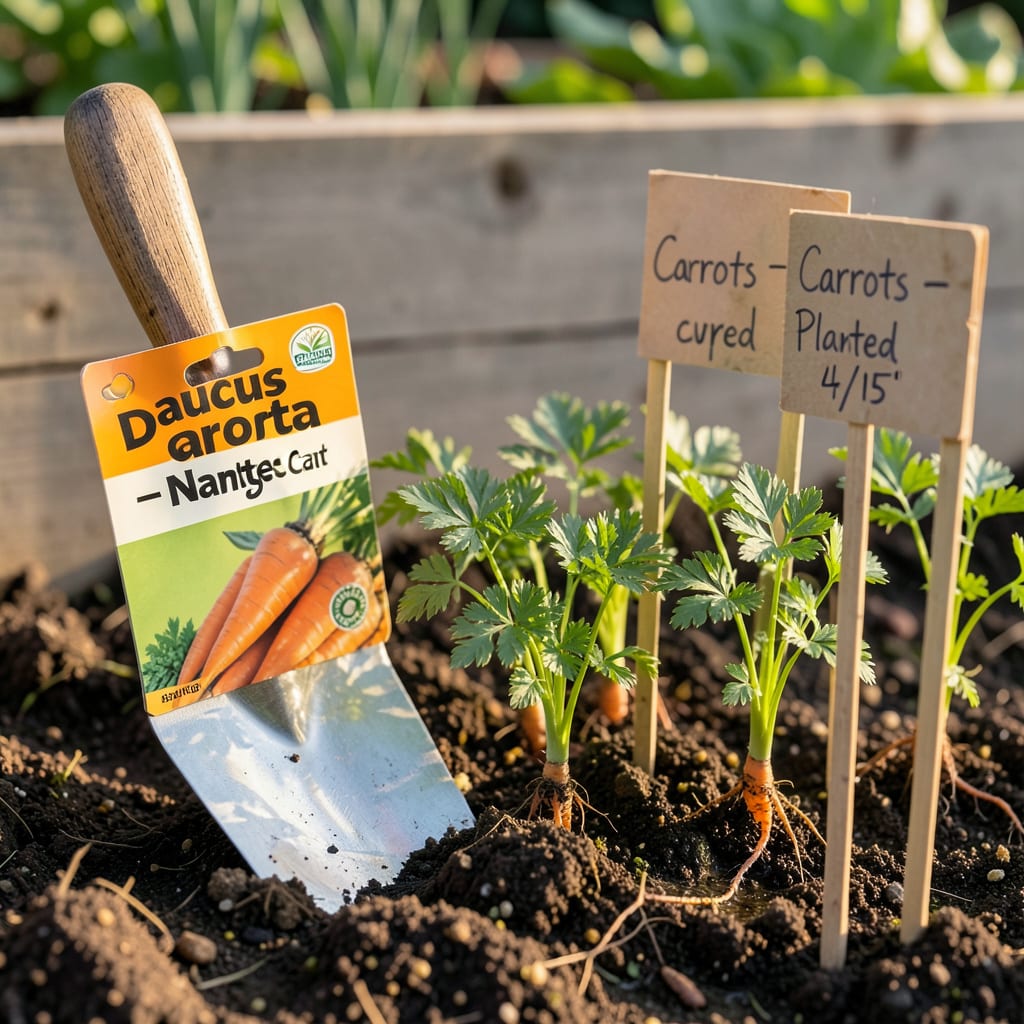
Timing can make or break your 🥕 carrot harvest in Tennessee. Plant too early, and unexpected frost might wipe out your seedlings. Wait too long, and summer heat turns those sweet roots bitter before they mature.
After years of testing what works in our Zone 7a climate, I’ve nailed down the perfect planting windows—whether you’re in the mountains of East Tennessee or the fertile plains of the West. Let me show you how to sync with our seasons for the juiciest, crunchiest carrots yet.
Tennessee’s three distinct regions—East, Middle, and West—each have unique microclimates that shift planting windows. In the higher elevations of East TN, cooler springs mean you’ll plant later than gardeners in the warmer Mississippi Delta of West TN.
The key is watching soil temperature (aim for 45–55°F) and your last frost date. East TN’s frost lingers until mid-April, while West TN often warms up by late March. I’ll break down the exact timing so you don’t waste seeds on ill-timed sowings.
For spring carrots, aim to sow 2–3 weeks before your last frost. In East TN, that’s early April, while West TN gardeners can start as early as late February. Use a soil thermometer to confirm temps—carrot seeds rot in cold, soggy ground.
Fall plantings are trickier. Sow 10–12 weeks before your first frost to ensure roots mature before winter. In Middle TN, that means seeding by mid-August. West TN’s longer fall allows planting into early September, but East TN’s early frosts require a July start.
If you’re dealing with Tennessee’s heavy clay soil, amend beds with compost or sand before planting. Carrots need loose, well-draining soil to avoid stunted, forked roots. I mix in aged wood chips to improve texture—it’s a game-changer for our dense native soil.
For succession planting, make small sowings every 2 weeks until mid-May. This staggers harvests and prevents a glut of carrots all at once. In fall, stop planting by late August in Middle/East TN—later sowings risk frost damage before maturity.
Watch for pests like carrot rust flies, which thrive in our humid summers. Use floating row covers at planting to block adults from laying eggs. Thin seedlings to 2 inches apart once they’re 2 inches tall—crowding leads to puny carrots.
In West TN’s hot summers, carrots bolt quickly. Opt for heat-tolerant varieties like ‘Danvers’ or plant in partial shade. East TN’s cooler summers are ideal for sweeter varieties like ‘Napoli’—just keep soil consistently moist.
Remember: Carrots taste sweeter after a light frost! If you’ve got fall-planted roots still in the ground when temps dip, leave them—cold converts starches to sugars. Just mulch heavily with straw or leaves to prevent freezing.
Pro tip: Mark your calendar for soil prep in late winter. Tennessee’s clay compacts over winter, so till in amendments 4–6 weeks before planting. This gives everything time to settle and avoids disturbing tiny carrot seeds later.
Getting a steady supply of sweet, crunchy carrots in Tennessee means working with our humid summers and clay-heavy soils. After years of trial and error, I’ve found these five techniques make all the difference in stretching your harvest from spring to fall.
First, succession planting is your best friend. Instead of sowing all seeds at once, I plant small batches every 2 weeks until mid-May. This way, you’ll avoid a glut of carrots all maturing simultaneously—and you’ll have fresh roots ready as earlier ones are harvested.
For summer carrots, I’ve had great luck with ‘Dragon’ or ‘Solar Yellow’ varieties—they handle West TN’s heat better than standard orange types. Plant them in partial shade (under taller crops like tomatoes) and keep soil consistently moist to prevent bitterness.
In East Tennessee’s cooler summers, you can push the season longer. Try sowing a fast-maturing variety like ‘Paris Market’ (60 days) in late July for an October harvest. The key is using floating row covers to protect against carrot rust flies while letting light through.
Don’t overlook fall-planted carrots—they’re often the sweetest! Sow by August 15 in Middle TN (earlier in East TN) and mulch heavily with shredded leaves. The first light frost actually improves flavor by converting starches to sugars. I leave mine in the ground until needed, harvesting as late as December in West TN.
One mistake I see often is over-watering seedlings. Carrot seeds need consistent moisture to germinate (about 7–14 days), but soggy soil causes rot. Use a fine mist nozzle to keep the top inch damp without waterlogging. Once sprouted, water deeply 2–3 times weekly to encourage deep root growth.
Finally, rotate your carrot beds yearly to prevent disease buildup. I follow carrots with beans or lettuce—they’re light feeders that won’t deplete the soil. If you’re stuck with the same spot, solarize the bed for 2 weeks in midsummer by covering with clear plastic to kill pests and pathogens.
Remember: Tennessee’s clay soil is your biggest challenge. If amendments aren’t enough, try growing short varieties like ‘Romeo’ in raised beds filled with a sandy loam mix. You’ll get straighter roots with less effort—perfect for our tricky growing conditions! 🥕
Not all carrots are created equal—especially in Tennessee’s diverse microclimates. After testing dozens of varieties, I’ve found the best performers for our clay-heavy soils and humid summers. The right choice can mean straighter roots, better flavor, and fewer pest problems.
For spring plantings, focus on varieties that mature quickly before summer heat sets in. In fall, opt for cold-hardy types that sweeten with frost. West TN’s longer season allows for more heat-tolerant options, while East TN’s cooler summers favor classic orange varieties.
For West Tennessee’s hot summers, ‘Danvers’ is my top pick—its 6-7 inch roots handle heat better than most. The ‘Solar Yellow’ variety also thrives here, with its bright color and mild flavor that kids love. Both need consistent moisture to prevent bitterness.
In Middle Tennessee’s clay, ‘Paris Market’ is a lifesaver. Its round shape grows well in dense soil where longer varieties would fork. For fall plantings, ‘Napoli’ develops exceptional sweetness after light frosts—perfect for East TN’s early cold snaps.
Don’t overlook ‘Romeo’ for raised beds—its 5-inch roots are ideal for container gardening. I’ve had great success with it in urban Nashville gardens where space is limited. All varieties benefit from thinning to 2-inch spacing once sprouted.
Remember: Soil prep matters more than variety. Even the best carrot seeds struggle in compacted clay. Work in 3 inches of compost and 1 inch of sand before planting. This simple step prevents the forked, stunted roots that plague Tennessee gardeners. 🥕
For fall carrots, sow seeds 10-12 weeks before your first frost. In Middle TN, that means planting by mid-August, while West TN gardeners can push to early September. East TN’s earlier frosts require July planting for best results.
Work in 3 inches of compost and 1 inch of sand to a depth of 12 inches. This improves drainage and prevents forked roots. For extra insurance, add aged wood chips to break up dense clay. Test soil by digging—it should crumble easily in your hand.
Use containers at least 12 inches deep filled with a sandy loam mix. Short varieties like ‘Paris Market’ or ‘Romeo’ thrive in pots. Ensure containers have drainage holes and water when the top inch feels dry. Perfect for urban gardeners!
Bolting usually happens when plants experience heat stress or inconsistent watering. In Tennessee’s summers, use 30% shade cloth and mulch heavily. Choose heat-tolerant varieties like ‘Danvers’ for late plantings. Keep soil consistently moist but not soggy.
Cover plants with floating row covers when frost is forecast. Mulch with 4-6 inches of straw to insulate soil. Carrots actually get sweeter after light frosts! In East TN, harvest before hard freezes (25°F or lower).
