
Beautiful Plants For Your Interior
Beautiful Plants For Your Interior
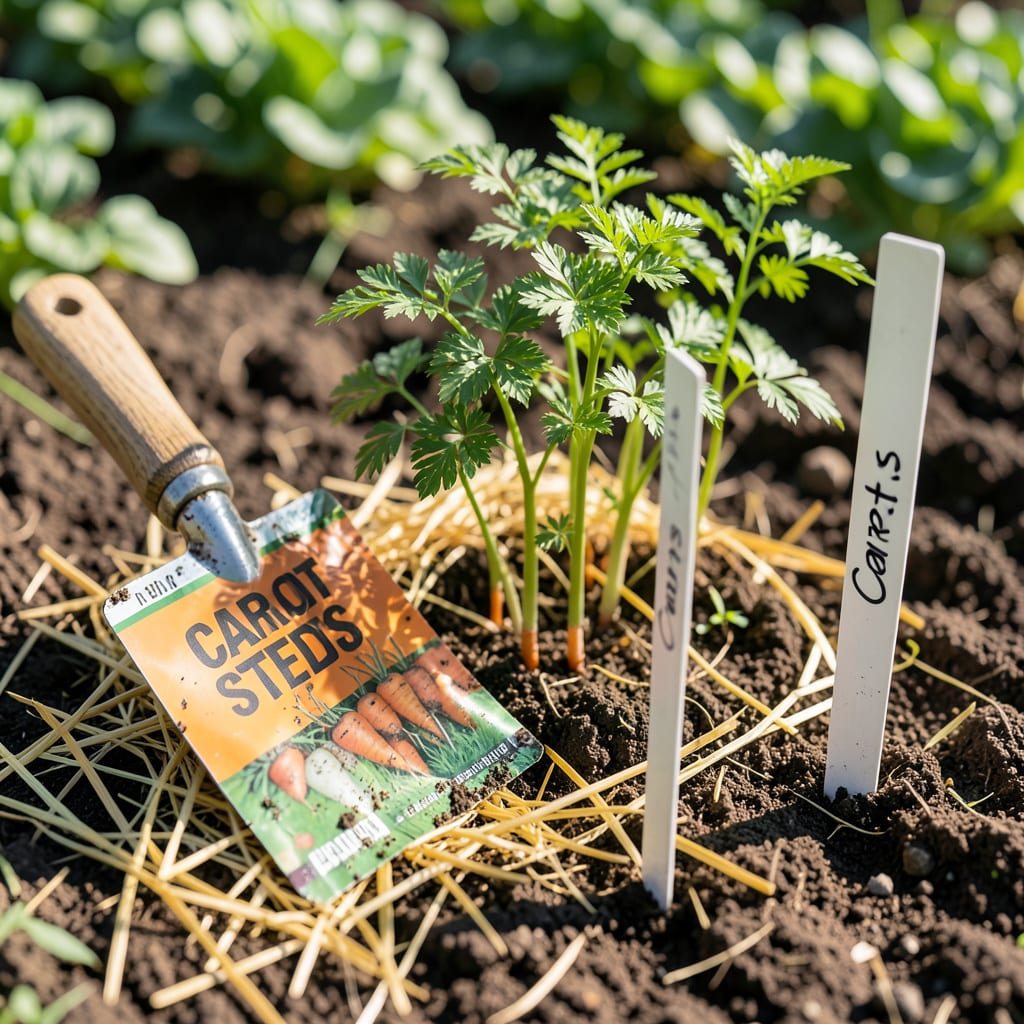
Southern California’s unique climate can make or break your 🥕 carrot crop—plant at the wrong time, and you’ll end up with woody, bitter roots instead of sweet, crisp harvests. The difference between coastal fog and inland heat waves means timing varies dramatically just miles apart.
I’ve tested planting windows across SoCal’s zones, and the results might surprise you. Whether you’re in San Diego’s misty coastal areas or Riverside’s scorching valleys, I’ll show you the exact months to sow for perfect carrots—plus the varieties that thrive where you live.
If you’ve ever pulled up skinny, bitter carrots instead of plump, sweet ones, chances are your timing was off. Southern California’s diverse microclimates—from foggy coasts to scorching valleys—mean there’s no one-size-fits-all answer. I’ve found that coastal gardeners can plant almost year-round, while inland growers must dodge summer’s brutal heat.
The secret? Watch your soil temperature. Carrot seeds germinate best between 60°F–85°F, and Southern California’s USDA Zones 9–11 give us a long window—but only if you adjust for your exact location. Let’s break it down month by month so you never waste seeds again.
| Month | Coastal (Zones 10-11) | Inland (Zones 8-9) | Key Notes |
|---|---|---|---|
| January | ✅ Plant | ❌ Avoid | Coastal winters are mild; inland frosts possible. |
| February | ✅ Best month | ⚠️ Late-month only | Inland: Wait for soil to hit 60°F. |
| March | ✅ Plant early | ✅ Plant now | Both regions: Avoid late-March heatwaves. |
| April | ✅ Last coastal window | ❌ Too hot | Inland temps exceed 85°F—risk of bolting. |
| May–August | ❌ Avoid | ❌ Avoid | Both regions: Heat causes bitter, woody roots. |
| September | ⚠️ Late-month | ❌ Still hot | Coastal: Watch for Santa Ana winds drying soil. |
| October–December | ✅ Plant | ✅ Plant | Cool soils = sweeter carrots. Use row covers if frosts threaten. |
💡 Pro Tip: Coastal gardeners can plant year-round with shade cloth in summer. Inland? Stick to fall/winter.
Notice how coastal areas like San Diego or Long Beach get a second wind in October, while inland spots like Riverside must pause during summer? That’s because coastal fog keeps soils cooler, while inland heat domes bake the ground. I’ve had the best luck with succession planting every 3 weeks from February to April along the coast.
For inland gardeners, the fall window (October–December) is your golden ticket. The soil stays warm enough for germination, but cooler air temps prevent premature bolting. Just be sure to mulch heavily—SoCal’s “winter” can swing from 40°F to 80°F in a week! A 2–3 inch layer of straw keeps soil temps steady.
Here’s a trick I swear by: Use a soil thermometer. Carrot seeds won’t sprout if the soil’s too cold (below 50°F) or too hot (above 90°F). Along the coast, I’ve germinated seeds in December during warm spells
Even with perfect timing, Southern California gardeners often sabotage their 🥕 carrot crops without realizing it. I’ve seen it happen too many times—Santa Ana winds, poor soil prep, or misjudged daylight can turn a promising patch into a disaster. Let’s tackle the three biggest blunders I’ve learned to avoid the hard way.
First up: planting during windy seasons. Those dry, gusty Santa Ana winds (common in fall) can desiccate your carrot seeds before they even sprout. I lost an entire bed in October until I started using windbreaks and drip irrigation to keep moisture consistent.
💡 Fix It Fast: Inland gardeners, add 1 inch of sand to clay soil. Coastal? Watch for salt buildup from ocean spray.
The second mistake? Underestimating soil prep. Southern California’s native clay soil (especially inland) is a carrot’s worst enemy. I spent years pulling up twisted, stunted roots until I switched to raised beds filled with a mix of 60% sandy loam and 40% compost. Now my carrots grow straight and sweet every time.
Lastly, don’t overlook daylight changes between seasons. Winter-planted carrots in SoCal often struggle with short days, growing slower but sweeter. Spring crops, however, can bolt if days get too long. I use 30% shade cloth in late spring to extend my harvest by 2–3 weeks without bitterness.
Here’s a trick I wish I’d known sooner: Test your soil’s drainage before planting. Dig a 1-foot hole, fill it with water, and time how long it takes to drain. If it’s slower than 1 hour, your carrots will rot. Amend with perlite or coarse sand to fix it.
Remember, Southern California’s microclimates mean what works in San Diego might flop in Palm Springs. I keep a gardening journal to track what thrives in my exact zip code—because even a few miles can make a huge difference in soil, wind, and temperature.
Not all carrots thrive in Southern California’s unique climate, where coastal fog and inland heat create wildly different growing conditions. After testing dozens of varieties, I’ve found the top performers that handle our long season, resist bolting, and deliver sweet, crisp roots—no matter where you garden in SoCal.
The key is matching the variety to your microclimate. Coastal gardeners need fast-maturing types that tolerate cool, moist air, while inland growers should focus on heat-resistant cultivars that won’t turn bitter when temps spike. Let’s dig into the best options for your area—plus a few surprises that outperform the usual grocery-store types.
| Variety | Best For | Days to Harvest | Why It Works |
|---|---|---|---|
| Danvers | Inland heat | 70–80 | Tolerates high temps without bolting; deep orange color. |
| Paris Market | Coastal containers | 60–70 | Round shape fits shallow pots; sweet, tender texture. |
| Bolero | Humid coasts | 75–85 | Resists disease in foggy areas; uniform shape. |
| Nantes | All regions | 65–75 | Classic sweet flavor; reliable in most SoCal zones. |
| Atomic Red | Winter planting | 70–80 | High antioxidants; thrives in cooler SoCal winters. |
💡 Pro Tip: For inland summers, try ‘Solar Yellow’—its bright color signals heat tolerance!
If you’re gardening along the coast, ‘Paris Market’ is my secret weapon. Its round shape fits perfectly in containers, and the short harvest time means you can squeeze in multiple crops before summer heat arrives. I’ve grown these on my Balcony in Long Beach with incredible success—just keep the soil consistently moist.
For inland gardeners battling triple-digit temps, ‘Danvers’ is the workhorse variety. It laughs at heatwaves and still produces straight, sweet roots even when other varieties bolt. Pair it with deep mulching (I use straw or shredded leaves) to keep soil temps stable, and you’ll harvest carrots while your neighbors are watering wilting plants.
Want to experiment? Try ‘Atomic Red’ in your winter garden. Not only does it add a vibrant pop of color to dishes, but its high sugar content makes it sweeter after light frosts—yes, even in SoCal! I plant mine in November for a Christmas harvest, and the flavor is unbeatable. Just remember: carrots taste best when grown in cool soil, so avoid planting during heatwaves.
Almost! Coastal zones (10-11) allow planting 10 months of the year, except during peak summer (June-August). The mild winters and foggy summers create ideal conditions, but avoid planting during Santa Ana wind events which dry out soil quickly.
Planting too late in spring! Inland areas (Zones 8-9) heat up fast—soil temps above 85°F cause bitter, woody roots. Stick to February-March for spring crops and October-December for fall. Use shade cloth if you must plant in April.
Use a soil thermometer—carrots won’t germinate above 90°F. Inland gardeners should test at 1-inch depth around noon. If it’s too hot, wait for cooler weather or plant in partial shade. Coastal gardeners rarely face this issue thanks to ocean breezes.
Choose shallow varieties like ‘Paris Market’ (round carrots) and use containers at least 12 inches deep. Coastal container gardeners should watch for salt buildup from ocean spray—rinse soil occasionally with fresh water to prevent salt stress.
