
Beautiful Plants For Your Interior
Beautiful Plants For Your Interior
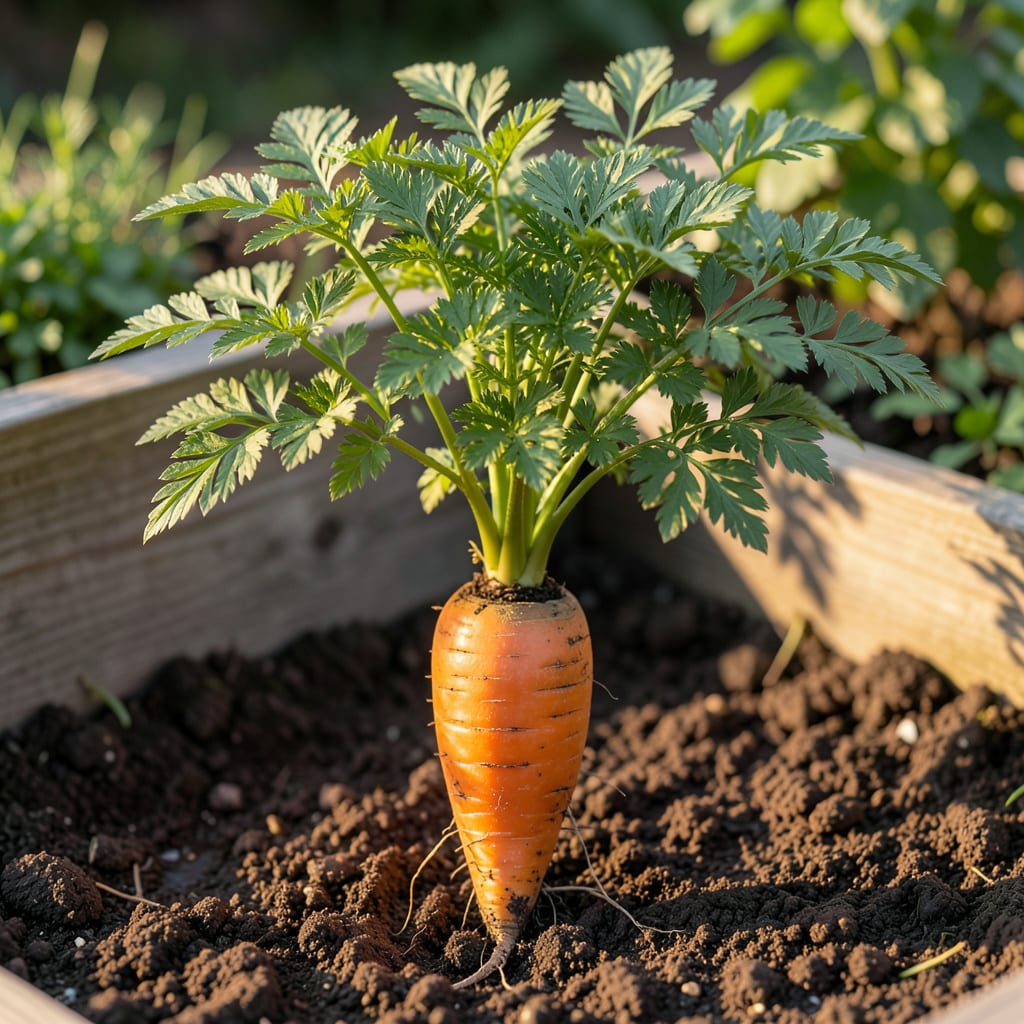
Timing your carrot planting in South Carolina can mean the difference between sweet, crisp roots and a disappointing harvest. Our state’s unique climate—with its early springs and lingering warmth—creates a perfect window for growing this cool-season crop, but only if you get the timing right.
Whether you’re in the Coastal Plain or the Upstate, I’ll break down the exact months to sow seeds for spring and fall harvests. You’ll also learn why summer planting is a no-go and how to leverage South Carolina’s mild winters for an extended growing season. Let’s dig in.
If you’ve ever pulled up bitter, twisted carrots instead of sweet, straight ones, timing was likely the culprit. South Carolina’s Zone 8 climate gives us a long growing season, but carrots are picky about soil temps. They thrive when sown in cool weather—between 40°F and 85°F—and struggle in our scorching summers.
Here’s the secret: Spring and fall are your golden windows. In coastal areas like Charleston, you can start as early as late February, while Piedmont gardeners (think Columbia or Greenville) should wait until mid-March to avoid late frosts. Upstate? Hold off until early April when soil warms to at least 50°F.
| Season | Planting Months | Soil Temp Range | Harvest Window |
|---|---|---|---|
| Spring | Feb–April | 50°F–75°F | May–June |
| Fall | Aug–Oct | 60°F–80°F | Nov–Dec |
| Winter | Oct–Nov | 40°F–60°F | Jan–Feb |
Note: Coastal SC can plant 2–3 weeks earlier than Piedmont/Upstate. Use row covers for frost protection in winter.
For spring planting, aim to sow seeds 4–6 weeks before your last frost date. In most of SC, that’s around March 15–April 1. I like to check soil temps with a thermometer—if it’s consistently above 50°F at 2-inch depth, you’re good to go. Pro tip: Soak seeds overnight to speed up germination in our sometimes-dry spring soils.
Fall planting is my favorite for sweeter carrots. Start seeds 10–12 weeks before your first frost (early November for most of SC). This gives roots time to mature in cooling soil. In Zone 8a (coastal areas), you can often harvest through December or even January with mulch protection. Upstate gardeners should wrap up planting by mid-October.
Ever tried winter carrots? In lowcountry SC (Zone 8b), you can grow them as a cool-season annual. Sow in October–November, and they’ll sweetten during light frosts. I’ve had great luck with ‘Napoli’ and ‘Mokum’ varieties—they handle our mild winters beautifully. Just add a thick mulch layer (3–4 inches) to prevent heaving.
Avoid summer planting entirely. When soil temps exceed 85°F, carrot seeds won’t germinate, and established plants turn bitter or bolt. If you miss the spring window, focus on fall successions instead. I plant a new row every 2 weeks from August through September for staggered harvests.
Remember: Carrots hate transplanting, so direct-sow seeds ¼-inch deep in loose, rock-free soil. In SC’s heavy clay (common in Piedmont), mix in compost or sand to prevent forked roots. For sandy coastal soils, add organic matter to retain moisture. Keep soil evenly moist—dry spells cause tough, woody carrots.
Want a continuous supply? Try succession planting: Sow a new batch every 3 weeks during your planting window. In spring, that might mean March 1, March 22, and April 12. For fall, I do August 15, September 1, and September 20. This way, you’re never without fresh carrots!
Lastly, watch the day length. Carrots start forming roots when days shorten in fall, which is why fall-planted carrots often taste sweeter. In spring, longer days can trigger premature bolting if planted too late—another reason to stick to early sowing.
With this schedule, you’ll pull up crunchy, sweet carrots year-round in SC. Just mark your calendar, prep your soil, and let our mild climate do the rest! 🌱
Even with perfect timing, some common mistakes can derail your carrot crop in South Carolina. Our humid climate and varied soil types create unique challenges. Let’s tackle the top three pitfalls I see gardeners make—and how to avoid them.
First up: overcrowding seeds. Carrot seeds are tiny, making it tempting to sprinkle them densely. But in our warm, moist soil, crowded seedlings compete for nutrients, leading to stunted, misshapen roots. Thin to 2 inches apart once sprouts reach 1 inch tall.
Another big issue? Planting too shallow. In SC’s sandy loam (coastal areas), seeds can dry out if not covered properly. Sow at ¼-inch depth, then gently firm soil to ensure contact. In clay-heavy Piedmont soil, mix in compost to improve drainage and prevent crusting.
Many gardeners also misjudge moisture. Carrots need consistent dampness—not soggy, not bone-dry. In summer, our high humidity fools people into thinking soil is wetter than it is. Stick your finger 1 inch deep; if it’s dry, water immediately. Drip irrigation works best to avoid wetting foliage, which invites fungal diseases.
Here’s a regional fix: In the Coastal Plain, our sandy soil drains fast, so add organic matter to retain moisture. Upstate gardeners should watch for cold snaps—use row covers if temps dip below 28°F to protect young plants. Piedmont folks, your clay soil needs extra prep: Work in gypsum to break up compacted layers.
Lastly, don’t forget pest vigilance. SC’s warm winters mean carrot rust flies and wireworms stay active longer. Rotate crops yearly and use floating row covers at planting. If you see yellowing leaves, check for pests immediately—our humidity helps them spread fast.
With these fixes, you’ll sidestep the most common SC carrot failures. Next up: Let’s pick the best varieties for your specific corner of the state! 🪴
Not all carrots thrive in South Carolina’s humid, sandy soils. After years of testing, I’ve found the best varieties are those that handle our heat spikes and adapt to regional soil types. Coastal gardeners need fast-maturing types, while Piedmont growers should focus on clay-tolerant roots.
For sandy loam (common in the Lowcountry), I swear by ‘Nantes’—its 6-inch cylindrical roots grow straight in loose soil. If you’re dealing with heavy clay (hello, Piedmont!), ‘Danvers’ is your best bet. Its tapered shape pushes through dense soil without forking.
| Variety | Best For | Days to Harvest | Key Feature |
|---|---|---|---|
| Nantes | Sandy soil | 65–70 | Sweet, crisp, no core |
| Danvers | Clay soil | 70–80 | Tapered, fork-resistant |
| Paris Market | Containers | 60–65 | Round, urban-friendly |
| Napoli | Winter growing | 55–60 | Cold-hardy, sweetens in frost |
Tip: For Upstate SC, choose shorter varieties (like ‘Paris Market’) to beat early frosts.
Urban gardeners in Charleston or Columbia will love ‘Paris Market’—its golf-ball-sized roots thrive in containers and shallow beds. For winter harvests, ‘Napoli’ is my top pick. It survives light freezes and gets sweeter with cold exposure.
If you’re in the Piedmont’s red clay, try ‘Chantenay’. Its short, blocky roots won’t fork like longer varieties. Coastal growers should experiment with ‘Imperator’ for its long, slender roots—perfect for deep, sandy soil.
Pro tip: Mix fast and slow varieties for continuous harvests. I plant ‘Early Nantes’ (55 days) alongside ‘Danvers Half Long’ (75 days). This way, you’re harvesting from late spring through winter without gaps. 🌱
Carrot seeds germinate best when soil temps are between 50°F–85°F. In South Carolina, aim for 50°F–75°F for spring planting and 60°F–80°F for fall. Use a soil thermometer to check at 2-inch depth—this ensures ideal conditions for straight, sweet roots.
Choose short varieties like ‘Paris Market’ (golf-ball-sized) or ‘Little Finger’. Use a container at least 12 inches deep with drainage holes. Fill with a mix of potting soil and sand to prevent forking. Water every 1–2 days—containers dry out faster than ground soil.
Bitterness comes from stress—usually heat or drought. Plant in cool seasons (spring/fall) and keep soil consistently moist. Mulch with straw or pine needles to regulate temperature. Avoid summer planting when soil exceeds 85°F, as this triggers bitterness. Harvest before roots get woody (usually 60–75 days).
Spring carrots mature in warming soil (harvest by June) but risk bolting if planted late. Fall carrots grow in cooling soil, sweetening with light frosts, and often taste better. Fall planting also avoids summer pests. Start fall seeds 10–12 weeks before first frost for winter harvests.
Yes! Coastal areas (Zone 8b) can plant 2–3 weeks earlier than Piedmont/Upstate (Zone 7b–8a). For example, Charleston gardeners sow in late February, while Greenville should wait until mid-March. Upstate gardeners must finish fall planting by mid-October to beat early frosts. Always check your local frost dates!
