
Beautiful Plants For Your Interior
Beautiful Plants For Your Interior
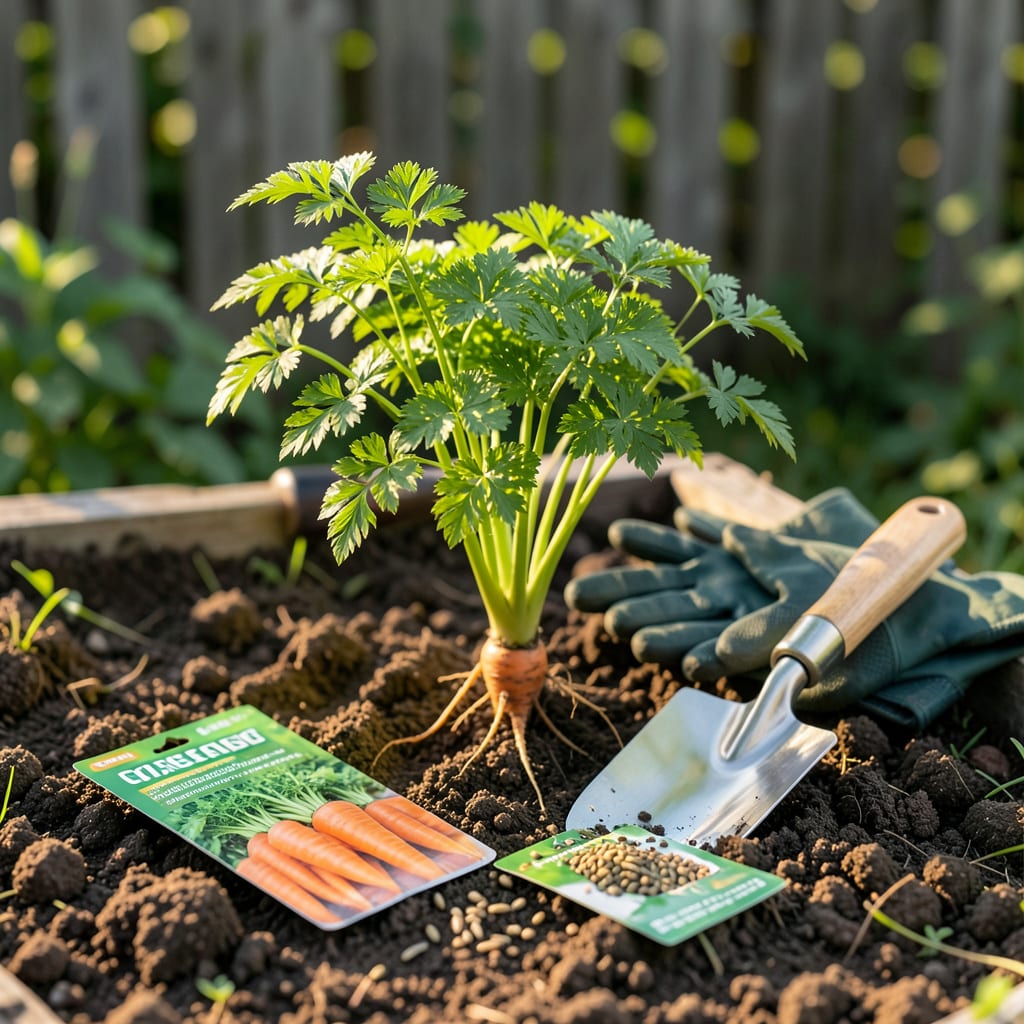
Timing can make or break your 🥕 carrot harvest in Oregon. Plant too early, and unexpected frost might sabotage your efforts. Wait too long, and the summer heat could leave you with stunted, bitter roots instead of those sweet, crisp carrots you’re dreaming about.
After years of testing what works in our Zone 8b climate, I’ve nailed down the perfect planting windows. Whether you’re in the Willamette Valley or along the coast, I’ll show you exactly when to sow those seeds for a bountiful harvest that’ll make your neighbors jealous.
Oregon’s diverse climate means your carrot planting schedule depends heavily on where you live. From the misty coast to the dry high desert, each region has its own rhythm. I’ve found that soil temperature is your best guide—aim for 40-85°F for optimal germination.
The Willamette Valley enjoys mild winters and warm summers, while Eastern Oregon faces harsher conditions. Coastal gardeners deal with cooler temps but longer growing seasons. Let’s break down the perfect timing for your specific area to maximize those sweet, crunchy roots.🌱
| Region | Spring Planting | Fall Planting | Notes |
|---|---|---|---|
| Coastal Oregon | Feb-March | July-August | Mild winters allow overwintering |
| Willamette Valley | March-April | July-August | Watch for spring rains compacting soil |
| Eastern Oregon | April-May | June-July | Short season – choose fast varieties |
| Southern Oregon | March-April | August-Sept | Hot summers – plant in partial shade |
For spring planting, I always wait until after our last frost date—typically April 15 in most of Oregon. But don’t wait too long! Carrots planted in late spring may struggle with summer’s heat, leading to woody, bitter roots.
Fall planting is my secret weapon for sweeter carrots. The cooler temps reduce stress on plants, resulting in better flavor. Just
Coastal gardeners have a unique advantage—they can often overwinter carrots. I’ve had great success planting in late summer and harvesting through winter. The cool, moist conditions create exceptionally sweet roots. Just protect them with a thick mulch layer.
In Eastern Oregon, the growing season is shorter, so I recommend fast-maturing varieties like ‘Paris Market’ or ‘Little Finger’. These reach harvest size in just 50-60 days, perfect for your 120-day frost-free window.
Remember that soil preparation is just as important as timing. Carrots need loose, rock-free soil to develop properly. I always work in plenty of compost before planting and avoid heavy clay soils that can stunt growth.
If you’re dealing with heavy soils, consider planting shorter varieties like ‘Chantenay’ or growing in raised beds. This gives you more control over soil texture and drainage, which is especially helpful in Oregon’s wet springs.✂️
Don’t forget about succession planting! For continuous harvests, I plant new seeds every 2-3 weeks through early summer. This ensures I always have fresh carrots ready without being overwhelmed by a single large harvest.
Getting perfect carrots in Oregon isn’t just about timing—it’s about working with our unique climate. I’ve learned that soil preparation is 70% of the battle. Our wet springs and varied soil types demand special attention if you want those long, straight roots we all dream about.
First, let’s talk soil texture. Oregon’s clay-heavy soils can be a carrot’s worst enemy. I always amend my beds with sand and compost to create that perfect loose texture. Remember, carrots need to push through soil easily—any resistance leads to those frustrating forked or stubby roots.🌱
Watering is where many Oregon gardeners go wrong. Our spring rains can lull you into thinking nature will do the work. But carrots need consistent moisture—about 1 inch per week. I use a soaker hose to deliver water directly to roots while keeping foliage dry.
For pest control, I swear by companion planting. Interplanting carrots with onions or leeks naturally deters carrot rust flies, which are particularly problematic in our damp climate. The strong scent confuses pests while saving you from chemical sprays.
Don’t overlook succession planting for continuous harvests. In Oregon’s long growing season, I plant new seeds every 2-3 weeks until mid-summer. This staggered approach means I’m harvesting fresh carrots from June through November without gluts or shortages.✂️
Finally, pay attention to daylight changes. Our northern latitude means rapidly changing daylight hours. Carrots planted in late summer benefit from decreasing daylight, which actually improves their sweetness. I’ve found August plantings often produce the tastiest roots of the year.
Remember that elevation matters in Oregon. For every 1,000 feet increase, expect temperatures to drop about 3.5°F. Adjust your planting dates accordingly—higher elevations may need to start 2-3 weeks later than valley floors.
Even experienced Oregon gardeners can make costly carrot-growing mistakes that ruin their harvest. I’ve seen it all—from stunted roots to complete crop failures—usually caused by simple oversights. The good news? Most issues are easily preventable once you know what to watch for.
Our wet springs and variable soils create unique challenges. Many gardeners assume carrots are “plant and forget,” but Oregon’s climate demands more attention. Let me share the most common pitfalls I’ve encountered (and how to avoid them) so you don’t repeat these mistakes.🌱
One mistake I see constantly is planting in heavy clay without amendment. Oregon’s native soils often contain too much clay, which causes carrots to fork or grow stubby. I always recommend mixing in sand and compost until the soil feels like cake crumbs when squeezed.
Another critical error is misjudging frost dates. While coastal areas can plant earlier, inland regions must wait until after April 15. I’ve lost entire plantings by jumping the gun. Use a soil thermometer—carrots need 40°F minimum to germinate properly in our climate.
Many gardeners also overlook variety selection. Not all carrots thrive in Oregon. I’ve had best success with ‘Nantes’ for most regions and ‘Paris Market’ for heavy soils. Long varieties like ‘Imperator’ often struggle in our clay-rich grounds unless grown in raised beds.✂️
Finally, don’t neglect pest prevention. Our damp climate creates perfect conditions for slugs and root maggots. I use copper tape around beds and apply beneficial nematodes in spring. These organic solutions protect my crops without harsh chemicals.
Coastal regions can often overwinter carrots with protection. Plant in late summer and cover with 3-4 inches of mulch before cold sets in. Inland areas should avoid winter planting as frost heaves can damage roots.
Sow seeds just ¼ inch deep in loose, well-drained soil. Oregon’s spring rains can wash away deeper seeds or cause crusting. Lightly cover with fine compost to maintain moisture without compacting.
Opt for shorter varieties like ‘Paris Market’ or ‘Chantenay’. These thrive in Oregon’s heavier soils where long carrots often fork. For raised beds, ‘Nantes’ performs exceptionally well in amended soil.
Keep soil consistently moist but not soggy. Water 1 inch per week, adjusting for rain. Use a soaker hose to prevent foliage diseases common in our damp climate. Morning watering works best.
Bitterness usually comes from heat stress or inconsistent watering. Plant earlier in spring or later in summer for cooler growing conditions. Mulch heavily to regulate soil temperature and moisture.
