
Beautiful Plants For Your Interior
Beautiful Plants For Your Interior
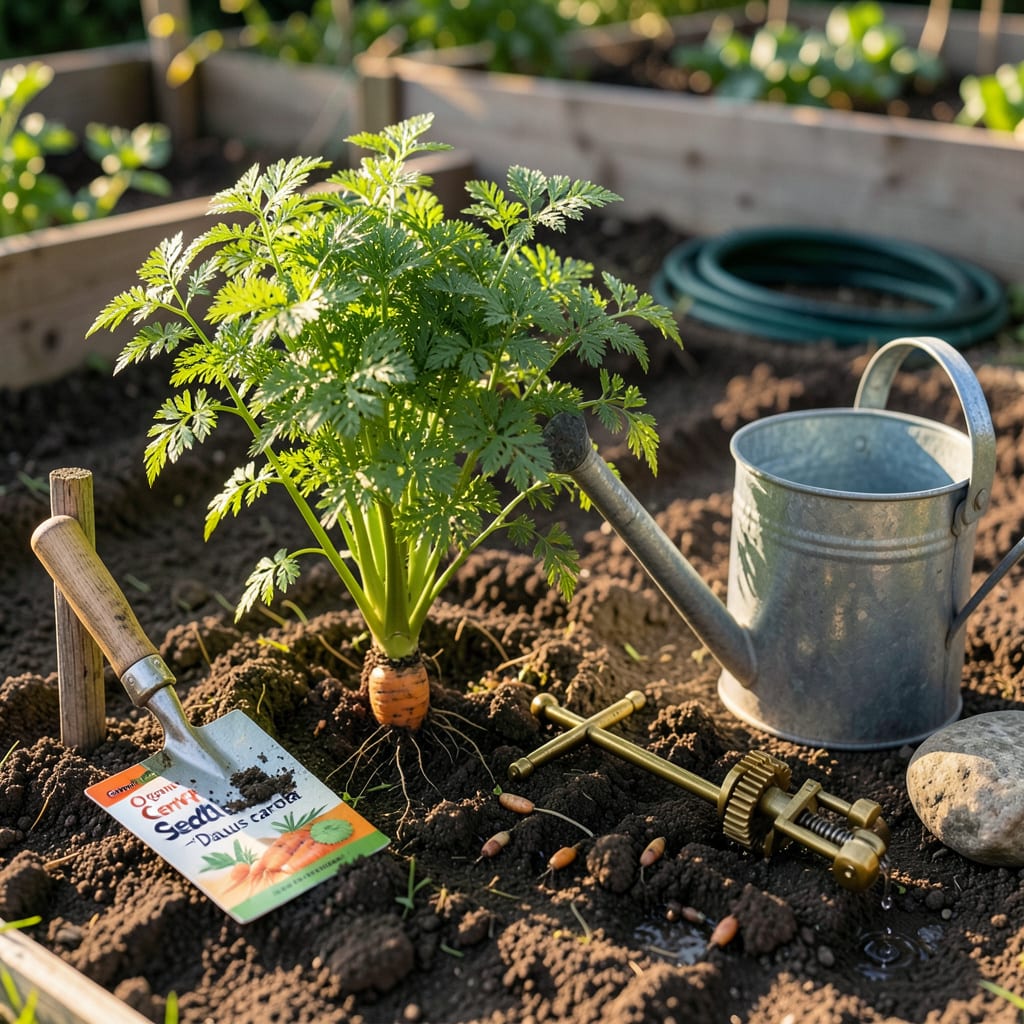
Timing your 🥕 carrot planting in Oklahoma can mean the difference between sweet, crisp roots and tough, bitter disappointments. Our state’s wild temperature swings—from late frosts to scorching summers—make nailing that planting window absolutely crucial.
After years of testing what works in Zone 7a, I’ve pinpointed the two perfect seasons to sow for maximum flavor and yield. Stick with me, and you’ll learn exactly when to get those seeds in the ground—and why waiting just 2 weeks can transform your harvest.
If you’ve ever pulled up bitter, woody carrots in Oklahoma, chances are you planted them at the wrong time. Our state’s Zone 7 climate means we’ve got two prime windows: a spring planting (February–April) and a fall crop (August–September). The key? Avoiding summer’s scorching heat.
Oklahoma’s last frost date (around April 15) and first frost (near October 15) bookend our growing season. For spring, I sow seeds 2–3 weeks before the last frost. Fall plantings go in 10–12 weeks before the first frost so roots mature in cool weather. 🌱
| Season | Planting Months | Soil Temp | Days to Harvest | Notes |
|---|---|---|---|---|
| Spring | Feb–April | 40°F–75°F | 70–80 days | Sow 2–3 weeks before last frost |
| Fall | Aug–Sept | 50°F–80°F | 60–75 days | Plant 10–12 weeks before first frost |
*Soil temp critical for germination—use a soil thermometer for accuracy!
For spring carrots, I aim to plant by mid-March in most of Oklahoma. This gives roots time to develop before summer heat (above 85°F) triggers bitterness. If you miss the window, try shade cloth to extend the season slightly.
Fall plantings are my favorite—they’re sweeter! I sow seeds in late August so they mature in October’s cool weather. Pro tip: Mulch heavily to retain moisture as temps drop. Avoid planting too late; carrots need 60+ days before frost.
Oklahoma’s clay-heavy soil can stunt carrot growth. I amend beds with sand or compost to loosen the earth. For containers, use a light, sandy mix—carrots hate compacted dirt! Keep soil consistently moist (not soggy) for even germination.
Watch for pests like carrot rust flies. I use row covers in spring and avoid overwatering. Thin seedlings to 2 inches apart once they’re 2 inches tall—crowding leads to misshapen roots. A light fertilizer (5-10-10) at planting boosts growth.
Harvest when roots reach ½–1 inch in diameter at the shoulder. In Oklahoma, that’s typically May–June for spring and October–November for fall. Gently brush soil away to check size—don’t yank too early! Store in the fridge for 2–3 weeks or leave in cool ground.
If you’re in the Panhandle (Zone 6), adjust dates 2 weeks earlier for spring and later for fall. Southeast Oklahoma (Zone 8) can plant 2 weeks later in spring. Always check your local frost dates for precision.
For succession planting, I sow a new batch every 2–3 weeks in spring until May. This staggers harvests and avoids gluts. Fall crops get one planting—our short season doesn’t allow for multiples. 🌿
Even experienced Oklahoma gardeners can sabotage their carrot crop without realizing it. The biggest blunder I see? Planting in unprepared clay soil. Our state’s dense earth compacts around roots, leading to stunted, forked carrots that look like abstract art. 🌱
Another costly error is ignoring soil temperature. Carrot seeds won’t germinate if soil’s below 40°F or above 85°F. I’ve lost entire plantings by sowing too early in cold February or too late in sweltering June. Always check with a soil thermometer!
The third major misstep is underestimating sunlight. While carrots tolerate partial shade, they need 6–8 hours of sun for sweetness. I’ve grown pale, bitter roots in shady spots—now I reserve my sunniest beds for them. In summer’s peak, use 30% shade cloth to prevent bolting.
Many gardeners also forget succession planting. Instead of one massive spring planting, I sow small batches every 2–3 weeks until May. This avoids a harvest glut and ensures fresh carrots for months. Fall crops get one planting—our season’s too short for multiples.
Pest neglect ruins crops too. Carrot rust flies lay eggs near roots, and their larvae tunnel in. I prevent this with floating row covers from seeding to harvest. Also, rotate crops yearly—never plant carrots where parsley or dill grew last season.
Finally, harvesting too late turns sweet carrots woody. In Oklahoma’s heat, spring-planted roots get bitter by July. I pull them by late June, even if small. Fall carrots can stay longer—just harvest before hard freezes (below 28°F). ✂️
Fix these mistakes, and you’ll double your chances of pulling up straight, sweet, crunchy carrots every time. Trust me—I learned the hard way so you don’t have to! Next, let’s explore the best varieties that thrive in our Oklahoma climate.
Not all carrots thrive in Oklahoma’s rollercoaster climate, where spring frosts can linger and summer heat arrives with a vengeance. After testing dozens of varieties in my Zone 7a garden, I’ve narrowed it down to the top performers that handle our swings—from Danvers’ heat resistance to Nantes’ quick maturity for spring.
For spring plantings, I rely on ‘Nantes’ (65 days) and ‘Paris Market’ (60 days). These early maturers beat the heat, delivering sweet roots before June’s scorchers. Fall crops shine with ‘Danvers’ (75 days), which tolerates warm soil and stores well for winter. 🌱
| Variety | Days to Harvest | Best Season | Heat Tolerance | Soil Adaptability |
|---|---|---|---|---|
| Nantes | 65 days | Spring | Moderate | Needs loose soil |
| Danvers | 75 days | Fall | High | Tolerates clay |
| Paris Market | 60 days | Spring/Fall | Low | Ideal for containers |
| Chantenay | 70 days | Spring | Moderate | Heavy soil tolerant |
*Danvers and Chantenay excel in Oklahoma’s clay-heavy regions—their tapered roots push through dense soil better than cylindrical types.
If you’re battling rocky or clay soil, ‘Chantenay’ is your best bet. Its short, blocky roots won’t fork or split like longer varieties. For container growing, ‘Paris Market’ (a round carrot!) thrives in 8-inch-deep pots—perfect for patio gardeners.
For storage potential, ‘Danvers’ wins—it keeps crisp in the fridge for 3+ weeks or in cool soil until Christmas. ‘Nantes’ is sweeter but best eaten fresh. Pro tip: Mulch fall carrots with straw to extend harvest into December in mild winters.
Want color variety? Try ‘Purple Haze’ (70 days), which retains its hue when cooked and adds antioxidants. Just note: its orange core means it’s not a true purple carrot. For white carrots, ‘Lunar White’ (75 days) offers mild flavor and no soil staining.
No matter the variety, soil prep is key. I mix 1 part sand to 2 parts compost into my beds before sowing. This mimics the loose, sandy loam carrots love. Avoid fresh manure—it causes forked roots. Stick to aged compost or worm castings for best results. 🌿
Carrot seeds germinate best when soil temps hit 40°F–75°F. In Oklahoma, this typically means planting in late February–April for spring and August–September for fall. Use a soil thermometer for accuracy—it’s a game-changer!
Choose containers at least 8 inches deep and fill with a sandy, well-draining mix. Short varieties like ‘Paris Market’ thrive in pots. Just ensure they get 6–8 hours of sun daily.
Bitterness comes from stress—usually heat or drought. Plant early enough to harvest before summer temps exceed 85°F. Keep soil consistently moist (not soggy) and use shade cloth if needed. Sweetness guaranteed!
Loose, rock-free soil is key! Amend Oklahoma’s clay with sand or compost before planting. Avoid fresh manure—it causes forking. Thin seedlings to 2 inches apart to prevent crowding.
Sow seeds 10–12 weeks before the first frost (around October 15 in most of Oklahoma). Late August is ideal—this gives roots time to mature in cool weather. Mulch heavily to extend the season!
