
Beautiful Plants For Your Interior
Beautiful Plants For Your Interior
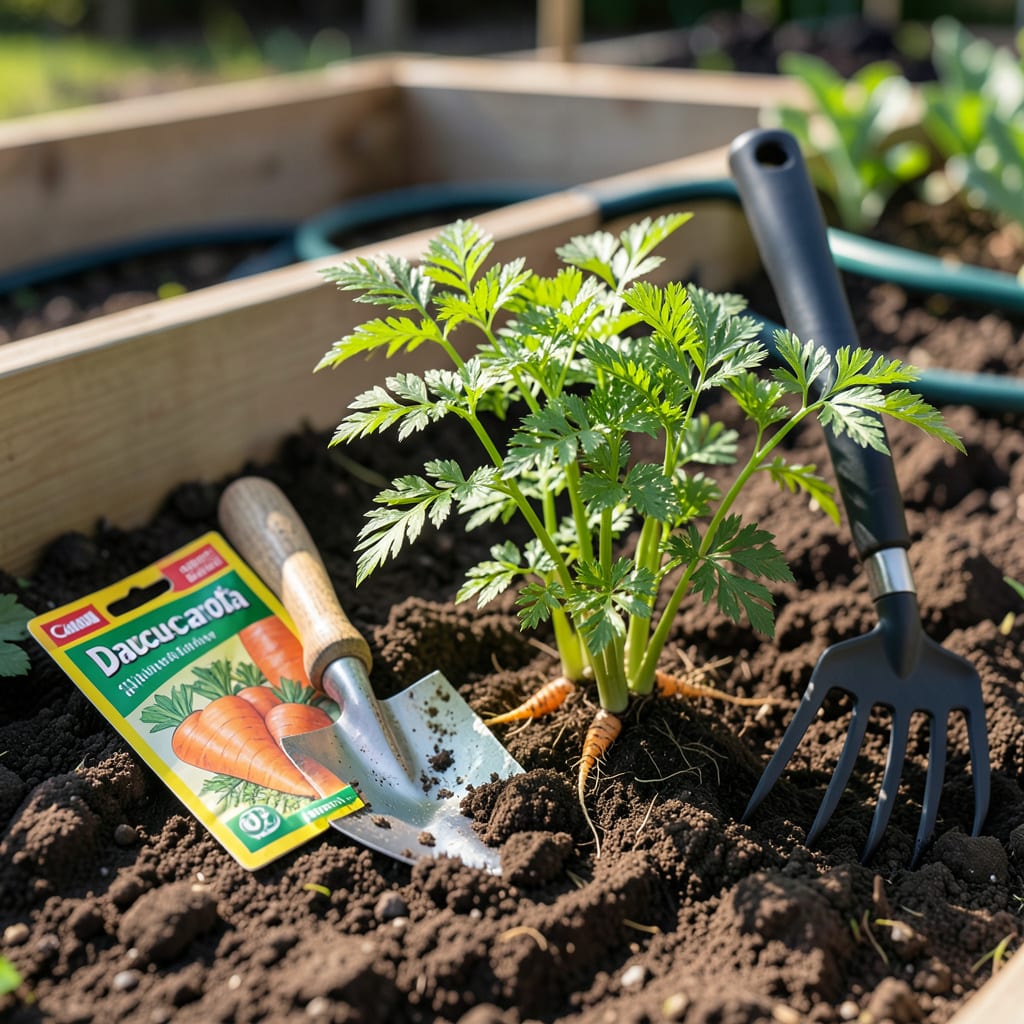
Ever pulled up stunted, bitter carrots after months of waiting? In Ohio, timing isn’t just important—it’s everything. Plant too early, and late frosts will wreck your crop. Wait too long, and summer heat turns those sweet 🥕 into woody disappointments.
I’ve tested the perfect windows for Ohio’s finicky climate—spring plantings that dodge frost and fall crops that mature before winter. Whether you’re in Cleveland or Cincinnati, I’ll show you exactly when to sow for crisp, flavorful carrots that’ll make your neighbors jealous. Let’s get it right this season.
Ohio’s climate is a patchwork of microclimates, from the lake-cooled shores of Cleveland to the warmer river valleys near Cincinnati. That means your carrot-planting window shifts dramatically depending on where you garden. I’ve broken down the ideal timing for Ohio’s three key regions.
Forget the one-size-fits-all advice—here’s when to plant based on USDA Zones 5-6, local frost dates, and soil temperature thresholds. Whether you’re sowing a spring crop or planning a fall harvest, these dates will maximize your success.
In Northern Ohio, the lake effect keeps soils cooler longer, so I wait until late March. Central Ohio gardeners can push the envelope by 2-3 weeks. Down south? You’re lucky—early March plantings often work if the soil isn’t waterlogged.
For fall carrots, timing is even trickier. Count backward from your first frost date (around October 15 for most of Ohio). Carrots need 70-80 days to mature, so mid-July sowings are ideal. I’ve found that ‘Nantes’ varieties do best in Ohio’s fall conditions.
Watch the 10-day forecast before planting. If nighttime temps dip below 40°F, hold off—carrot seeds won’t germinate well. In Ohio’s unpredictable springs, I always keep row covers handy for late cold snaps.
Urban gardeners in Columbus or Cleveland: your heat islands can extend the season by 1-2 weeks. Take advantage! But beware—city soils often dry out faster, so mulch heavily after planting to retain moisture.
Succession planting is key in Ohio. I sow a new batch every 2-3 weeks until early June for continuous harvests. Stop by late June—summer heat makes carrots bitter and woody. Trust me, I’ve learned this the hard way!
Remember: Ohio’s clay-heavy soils warm slower in spring. If your soil is still cold and wet, wait. Carrot seeds rot easily in soggy conditions. When in doubt, test with a soil thermometer—it’s my #1 tool for Ohio planting.
Fall plantings often outperform spring ones in Ohio. Cooler temps mean sweeter, crisper carrots with fewer pest issues. Just be sure to mulch with straw in late October to extend your harvest window past the first light frosts.
Ohio’s notorious clay-heavy soil can make or break your carrot crop. I’ve spent years battling compacted dirt and waterlogged beds—here’s how to turn that sticky clay into carrot-growing gold. The secret? It’s all about texture and timing.
First, forget the idea of perfect loamy soil. Ohio’s clay holds nutrients well but drains poorly, which means forked, stunted carrots if you don’t amend it. I’ll show you exactly how to prep your beds for straight, sweet roots—even in the toughest clay.
I’ve found that vermiculite works better than perlite in Ohio’s clay—it holds just enough moisture while improving aeration. Mix in 1 cup per square foot when amending beds. This is especially critical in spring plantings when rains are heavy.
For fall carrots, clay soil actually becomes an advantage. It retains warmth longer, extending your growing season. Just be sure to loosen the top 12 inches before sowing—compacted clay will stunt even cold-hardy varieties like ‘Danvers’.
If you’re dealing with urban soil (often contaminated or extremely compacted), consider container growing. Use pots at least 12 inches deep filled with a soilless mix. I’ve grown fantastic carrots in fabric grow bags on my Columbus patio!
Remember: Ohio’s clay is rich in nutrients but poor in structure. Never till when wet—this destroys soil structure and creates concrete-like clods. Wait until soil is dry enough to crumble in your hand before working it.
Finally, don’t skip the soil test. Ohio’s clay often lacks boron, which causes black heart disease in carrots. A simple test from your local extension office can save your crop. I add 1 tbsp borax per 100 sq ft if levels are low.
Even with perfect timing, Ohio gardeners often sabotage their carrot crops without realizing it. I’ve made (and fixed) these mistakes myself—so you don’t have to. The biggest culprit? Overcrowded seeds in our humid climate, which leads to weak, disease-prone plants.
Ohio’s spring rains and clay soil create a double whammy for carrot growers. Combine that with our short growing windows, and small errors get magnified. Here are the three mistakes I see most often in Ohio gardens—and how to avoid them.
The #1 mistake I see? Not thinning seedlings properly. Ohio’s humidity means crowded carrots develop hairy roots and attract pests. Thin to 2 inches apart when seedlings reach 1 inch tall—yes, it feels brutal, but it’s necessary for quality roots.
Another Ohio-specific issue: inconsistent watering. Our spring rains alternate with dry spells, causing carrots to crack or fork. I use drip irrigation on a timer to maintain even moisture. Aim for 1 inch per week, adjusting for rainfall.
Many Ohio gardeners also harvest too late. Carrots left in warm soil (above 75°F) turn woody. I check soil temps with a thermometer and pull carrots when roots reach ¾ inch diameter—they’ll keep growing in storage but won’t get bitter.
Finally, don’t overlook crop rotation. Ohio’s clay harbors pests like wireworms that target carrots. I rotate planting locations yearly and follow carrots with beans or corn to break pest cycles. This simple step has doubled my yields!
Remember: Ohio’s short fall season means you can’t delay harvest. Mark your calendar for October 1 to start pulling fall carrots—our first frosts (around October 15) can damage roots if they’re not mulched heavily.
Fall plantings often produce sweeter, crisper carrots in Ohio. The cooler temperatures prevent the bitterness that summer heat can cause. Aim for mid-July sowings to harvest before first frost. Spring crops work too, but require careful timing around late frosts.
Check two things: temperature and texture. Soil should be at least 45°F (use a thermometer) and crumbly when squeezed—not sticky. If it forms a muddy ball, wait a few days. Ohio’s clay holds moisture longer than sandy soils.
Use containers at least 12 inches deep filled with a soilless mix (60% potting soil, 30% compost, 10% perlite). Short varieties like ‘Paris Market’ thrive in pots. Perfect for urban gardeners with poor native soil.
Not thinning seedlings properly! Ohio’s humidity causes crowded carrots to develop hairy roots and attract pests. Thin to 2 inches apart when seedlings reach 1 inch tall—it’s painful but necessary for quality roots.
In Cincinnati/Athens areas, you can plant until mid-August for fall harvest. Count backward 70-80 days from your first frost date (around October 15). Use row covers if late summer nights dip below 50°F.
