
Beautiful Plants For Your Interior
Beautiful Plants For Your Interior
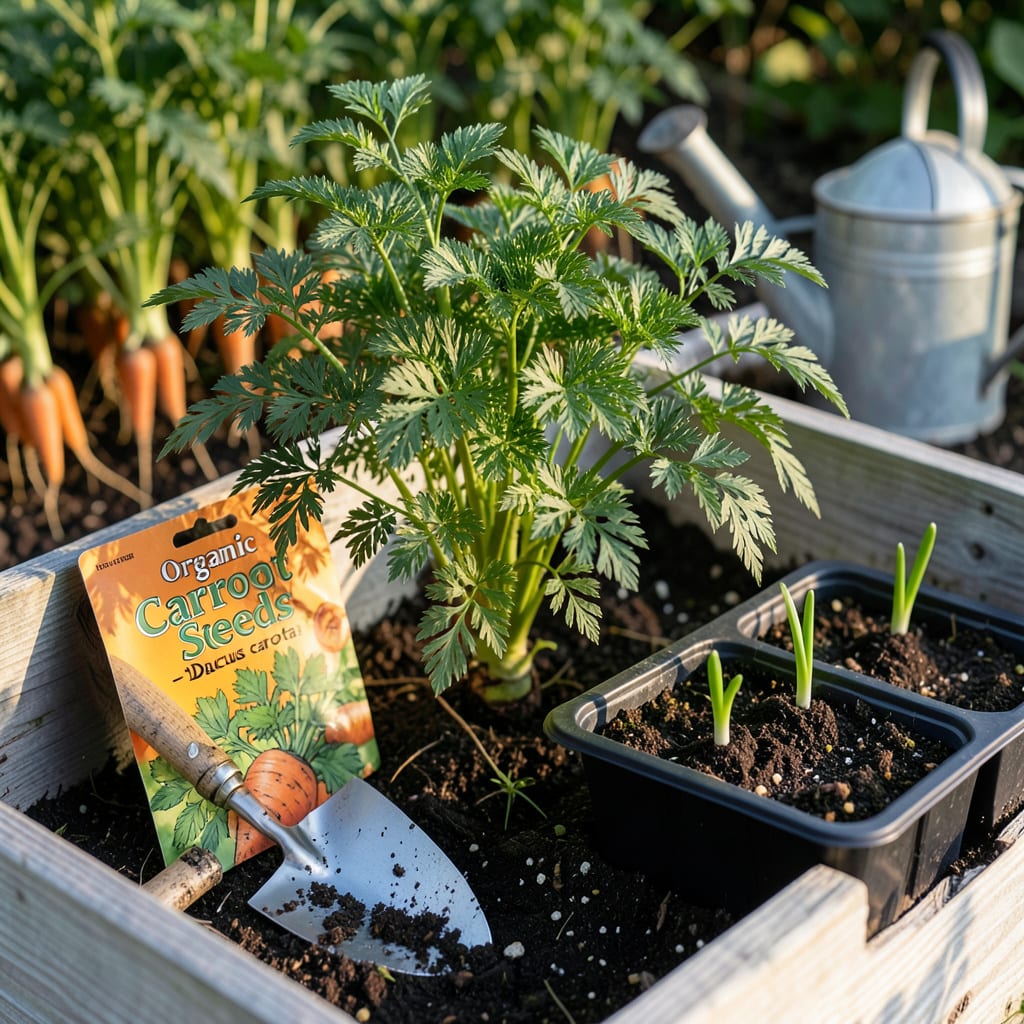
Timing can make or break your 🥕 carrot harvest in North Texas. Plant too late, and the scorching summer heat turns your sweet roots bitter. Go too early, and a surprise frost might wipe out your seedlings before they even sprout.
After years of testing what works in our Zone 7b climate, I’ve nailed down the perfect windows for planting. Whether you’re aiming for a spring harvest or a winter crop, I’ll show you exactly when to sow those seeds for crisp, flavorful carrots every time.
If you’ve ever pulled up stubby, bitter carrots in North Texas, chances are your timing was off. Our Zone 7b climate gives us two prime planting windows—spring and fall—but nailing the exact dates is key. Plant too early, and frost stunts growth; too late, and summer heat turns roots woody.
I’ve found the sweet spot by tracking soil temperatures (aim for 45°F–55°F) and aligning with our last frost date (around March 15). Fall plantings often outperform spring ones here, thanks to milder temps and fewer pests. Let’s break down the ideal calendar.
| Season | Planting Window | Harvest Time | Key Notes |
|---|---|---|---|
| Spring | Feb 15–Mar 15 | May–June | Sow 2–3 weeks before last frost. Use row covers if cold snaps threaten. |
| Fall | Sep 1–Oct 15 | Dec–Jan | Best for sweeter roots. Avoid planting after Oct 15—roots won’t mature before cold. |
| Winter | Not recommended | N/A | Frost kills seedlings. Focus on overwintering fall-planted carrots with mulch. |
| Summer | Not recommended | N/A | Heat causes bolting and bitter flavor. Use shade cloth only for late spring crops. |
For spring plantings, I start seeds indoors in late January using peat pots to get a head start. Transplant outdoors once soil hits 50°F, usually by mid-February. If you’re direct-sowing, wait until after Valentine’s Day to avoid frost damage.
Fall is my favorite season for carrots here. The trick? Plant by September 15 so roots mature before the first frost (around November 15). I’ve had success with succession planting every 2 weeks through early October, but later sowings risk stunted growth.
Watch your soil moisture closely in fall. North Texas often stays dry through September, so I water deeply every 3 days until germination. Once sprouts appear, thin to 2 inches apart to prevent crowded, misshapen roots. A 2-inch mulch layer helps retain moisture and regulate soil temp.
If you’re in Dallas, Fort Worth, or Denton, adjust slightly: urban areas warm faster, so you can plant 1–2 weeks earlier in spring. Rural areas with heavier clay may need extra compost worked in to prevent forked roots. Always check your local frost dates—they can vary by 10+ days across the region.
Pro tip: Use a soil thermometer (they’re cheap!) to take the guesswork out of planting. Carrot seeds germinate poorly in soil warmer than 85°F, so if your thermometer reads higher, wait or use shade cloth. I’ve lost entire rows by planting too late in spring when temps spiked unexpectedly.
For container growers, timing stays similar, but you’ll need deeper pots (at least 12 inches) and more frequent watering. I’ve grown ‘Paris Market’ carrots successfully in containers on my patio, harvesting baby carrots in just 50 days when planted in early March.
Remember: Carrots hate transplants, so direct-sowing is best. If you must transplant, use biodegradable pots to minimize root disturbance. And don’t skip the soil prep—our heavy clay needs amending with sand or compost to prevent those frustrating forked roots we all dread.
By sticking to these windows and monitoring soil temps, you’ll pull up straight, sweet carrots instead of the sad, twisted ones that make gardeners swear off growing them. Trust me—I’ve learned the hard way so you don’t have to! 🥕
Even with perfect timing, North Texas gardeners often struggle with carrots. After ruining more than a few batches myself, I’ve pinpointed the three biggest mistakes that turn promising seeds into disappointing harvests. The good news? They’re all preventable with a few simple tweaks.
The first blunder I see repeatedly is skipping soil prep. Our native clay is like concrete to carrot roots, forcing them to split and twist. I learned this the hard way when my first attempt yielded more “carrot art” than edible roots. Now I double-dig beds and mix in 50% compost before planting.
The second mistake—inconsistent watering—trips up even experienced gardeners. Carrot seeds are tiny and need even moisture to germinate. I lost an entire row once by watering too heavily, which washed seeds to one corner of the bed. Now I use a gentle mist setting and check moisture daily with my finger.
Here’s a trick: Place a clear plastic dome or even an upside-down plastic storage bin over your carrot bed after planting. This creates a mini greenhouse that retains moisture. Just remove it once sprouts appear to prevent overheating. I’ve seen germination rates jump from 50% to 90% using this method.
Finally, underestimating pests can wreck your crop. In North Texas, carrot rust flies and wireworms are the main culprits. I combat them by rotating planting locations yearly and covering seedlings with floating row covers until they’re 4 inches tall. A 1-inch layer of wood ash around plants also deters pests naturally.
Don’t overlook thinning seedlings either. Crowded carrots compete for nutrients, resulting in skinny roots. I thin to 2 inches apart when seedlings reach 1 inch tall, using scissors to snip (not pull) extras to avoid disturbing remaining plants. The thinnings make great microgreen salads—waste not, want not!
By avoiding these pitfalls, you’ll transform your carrot game from frustrating to flourishing. Remember: Loose soil, steady water, and heat management are your golden rules. Follow them, and you’ll be pulling up perfect, sweet carrots in no time. 🥕
Not all carrots thrive in North Texas’s clay-heavy soil and temperature swings. After testing dozens of varieties, I’ve found the top performers that handle our heat, resist bolting, and push through tough soil. The right variety can mean the difference between straight, sweet roots and a disappointing harvest.
Our Zone 7b climate demands heat-tolerant varieties that mature quickly before summer scorches or winter freezes set in. I prioritize carrots with shorter maturity times (60–70 days) and strong root systems to penetrate compacted soil. Let’s compare the best options for our region.
| Variety | Days to Maturity | Root Shape | Heat Tolerance | Best For | Notes |
|---|---|---|---|---|---|
| Danvers | 70–80 | Classic tapered | High | Clay soil | Handles heat well; deep orange color. My top pick for North Texas summers. |
| Nantes | 65–70 | Cylindrical | Medium | Containers | Sweet flavor; performs well in amended beds. Less heat-tolerant than Danvers. |
| Paris Market | 60–65 | Round | Medium | Heavy clay | Grows well in shallow soil. Great for kids—easy to pull and fun shape! |
| Chantenay | 70 | Short, broad | High | Rocky soil | Short roots avoid forking. Holds flavor well in heat. |
| Imperator | 75–80 | Long, tapered | Low | Deep beds | Needs loose soil. Prone to bolting in summer—best for fall planting. |
For spring planting, I recommend ‘Danvers’ or ‘Chantenay’—both handle our early heat waves better than most. Their deeper roots also help them access moisture when topsoil dries out. If you’re planting in containers, ‘Nantes’ is your best bet thanks to its compact shape.
Fall plantings open up more options. I love ‘Paris Market’ for its quick maturity—just 60 days—so it beats the first frost. For storage carrots, ‘Danvers’ stores exceptionally well in our cool winters. Avoid ‘Imperator’ in fall; its long roots struggle in our denser autumn soil.
If you’re dealing with unamended clay, start with ‘Paris Market’ or ‘Chantenay’—their shorter roots won’t fight the soil as much. For sandy loam (lucky you!), any variety will thrive, but ‘Nantes’ will give you the sweetest flavor. Pro tip: Mix 1 part sand to 2 parts compost into heavy soil before planting longer varieties.
Remember, seed freshness matters—carrot seeds lose viability quickly in our humidity. I buy new seeds annually from reputable suppliers like Southern Exposure or Territorial Seed. Store leftover seeds in the fridge in a sealed jar with a silica packet to extend their life. 🥕
Not necessarily! You can still plant until mid-March for spring. After that, wait for fall planting (September–October). If you plant in April, use shade cloth to protect seedlings from heat stress.
This happens when seeds hit compacted soil or rocks. North Texas clay is notorious for this! Loosen soil 12 inches deep and mix in 50% compost before planting. For heavy clay, try short varieties like ‘Paris Market’.
Choose containers at least 12 inches deep and 18 inches wide. Use a lightweight potting mix (no garden soil) and keep moisture consistent. ‘Nantes’ or ‘Paris Market’ varieties work best in pots.
Cover beds with floating row covers or old blankets when frost threatens. For extra protection, add a layer of straw mulch (1–2 inches). Remove covers during the day to prevent overheating.
‘Danvers’ is your best bet—it tolerates heat better than most. For summer edges, try ‘Chantenay’ (short roots avoid heat stress). Always plant in partial shade if temps exceed 85°F.
