
Beautiful Plants For Your Interior
Beautiful Plants For Your Interior
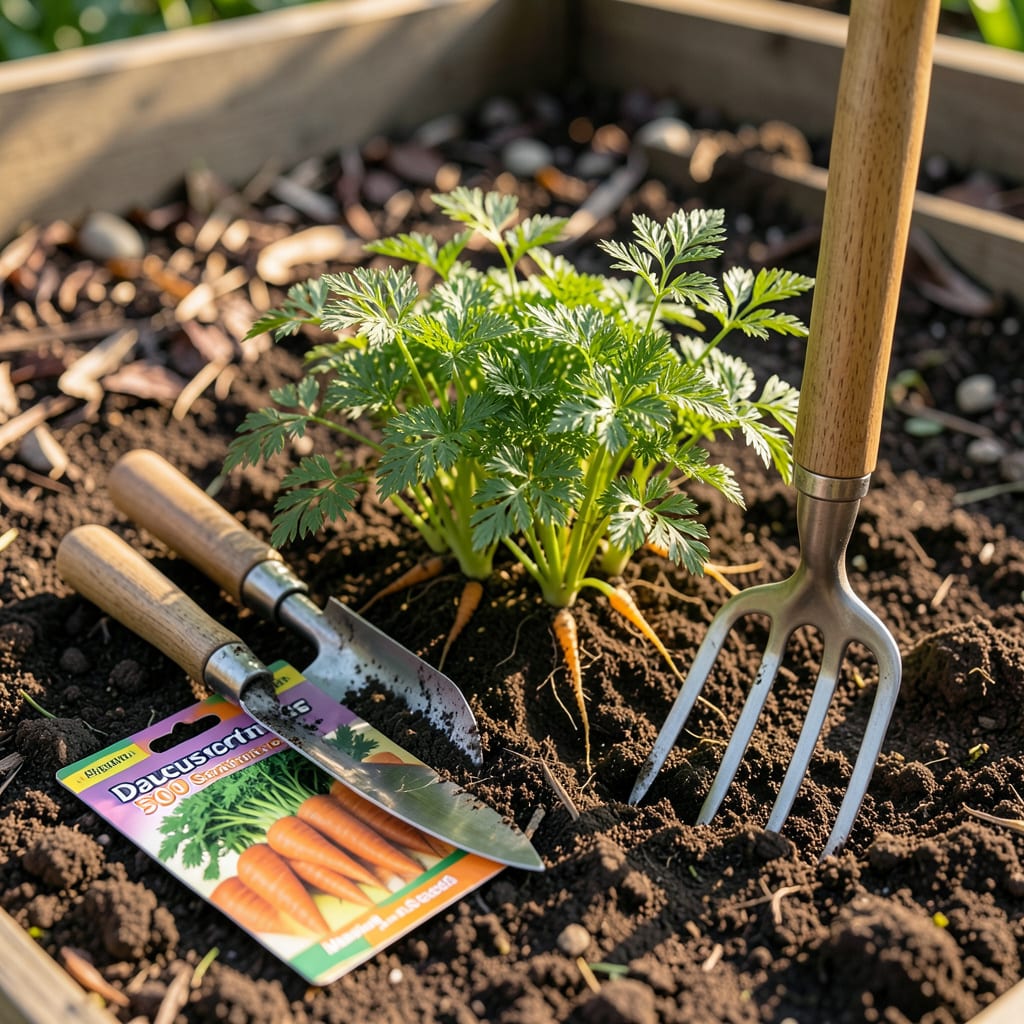
Timing can make or break your 🥕 Carrot harvest in New Jersey. Plant too early, and frost might sabotage your crop. Wait too long, and summer heat turns those sweet roots bitter.
After years of testing what works in NJ’s zones 6b-7a, I’ve nailed the perfect planting windows. Whether you’re aiming for a spring or fall harvest, I’ll show you exactly when to sow for crisp, flavorful carrots—no guesswork required.
If you’ve ever pulled up bitter, stubby carrots instead of sweet, crisp roots, timing was likely the culprit. In New Jersey’s zones 6b-7a, carrots thrive when planted during two key windows: early spring and late summer. The secret? Soil temperature—carrot seeds won’t germinate below 45°F, but they’ll bolt if sown too late into summer heat.
I’ve found that NJ gardeners who follow the frost date rule—planting 2-3 weeks before the last frost (around April 15) for spring crops and 10-12 weeks before the first frost (around October 15) for fall—get the best results. But there’s more to it than just dates. Let’s break it down by zone and season.
| NJ Zone | Spring Planting | Fall Planting | Soil Temp | Days to Harvest |
|---|---|---|---|---|
| 6a | March 20–April 10 | August 1–20 | 45°F–85°F | 60–75 days |
| 6b | March 25–April 15 | August 5–25 | 45°F–85°F | 60–75 days |
| 7a | March 15–April 5 | July 25–August 15 | 45°F–85°F | 55–70 days |
| 7b | March 10–March 30 | July 20–August 10 | 45°F–85°F | 50–65 days |
Pro Tip: Use a soil thermometer to confirm temps—carrot seeds germinate best at 50°F–85°F. In NJ’s coastal areas, soil warms faster; inland gardens may need to wait 1–2 weeks longer.
For spring planting, I recommend starting as soon as the soil is workable—even if it’s still chilly. Carrots can handle light frosts, but avoid sowing if the ground is waterlogged. If you’re in southern NJ (Zone 7b), you can push your planting date as early as mid-March, while northern NJ (Zone 6a) gardeners should wait until late March or early April.
The fall crop is where many NJ gardeners miss out. The key is counting backward from your first frost date (October 15 for most of NJ) and adding 10–14 days for germination. I like to sow my fall carrots by August 15 to ensure they mature before the ground freezes. Fall-grown carrots often taste sweeter because cooler temps convert starches to sugars!
Don’t forget about succession planting! For a continuous supply, I sow a new row every 2–3 weeks until late May for spring crops, then resume in late July for fall. This staggers harvests and prevents gluts. Just be sure to stop sowing by early July—carrots planted in mid-summer heat tend to bolt or develop poor flavor.
If you’re dealing with heavy clay soil (common in parts of NJ), consider planting shorter varieties like ‘Paris Market’ or ‘Chantenay’. These thrive in compacted soil where longer carrots might fork. For sandy soil (typical in the Pine Barrens), ‘Imperator’ or ‘Nantes’ varieties will grow long and straight with minimal effort.
One of my favorite tricks for NJ gardeners is using row covers in early spring. A lightweight fabric can warm the soil by 5–10°F, letting you plant 7–10 days earlier than usual. Just remove the covers once seedlings emerge to prevent leggy growth. For fall crops, row covers also protect against early frosts, extending your harvest by 2–3 weeks.
Finally, pay attention to moon phases if you’re into lunar gardening. I’ve had great success planting carrots during the second quarter moon (waxing phase), which is said to boost root growth. In 2024, the best spring planting dates for NJ align with March 27–29 and April 24–26. For fall, aim for August 20–22 or September 16–18.
Remember, carrots grow best in loose, well-draining soil with a pH of 6.0–6.8. If your NJ garden has rocky soil, till deeply or build raised beds filled with a mix of compost and sand. I like to add a 1-inch layer of compost before planting and avoid fresh manure, which can cause forked roots. With the right timing and prep, you’ll be pulling up perfect carrots in no time! 🥕
Even with perfect timing, your NJ carrot crop can fail if you fall into these common traps. I’ve seen gardeners in Zones 6b-7a struggle with stunted, bitter, or misshapen roots—often because of avoidable errors. Let’s fix them before you sow your next batch.
One of the biggest mistakes? Skipping soil prep. Carrots need 12+ inches of loose, rock-free soil to grow straight. In NJ’s clay-heavy regions, compacted soil forces roots to fork or twist. I always double-dig my beds and mix in compost or sand to improve drainage.
Another frequent issue is inconsistent watering. NJ’s summers can swing from drought to downpours, and carrots hate both extremes. I use a soaker hose on a timer to deliver 1 inch of water weekly, adjusting for rainfall. Too much water causes cracked roots, while too little makes them tough and bitter.
Many NJ gardeners also ignore variety selection. Not all carrots thrive in our climate! For heavy clay soil (common in North Jersey), I recommend ‘Chantenay’ or ‘Danvers’—they’re shorter and handle compacted soil better. In sandy coastal areas, ‘Nantes’ or ‘Imperator’ grow long and straight with minimal effort.
Here’s a mistake I made my first year: planting too shallow. Carrot seeds need ¼-inch depth to germinate, but many gardeners barely cover them. If seeds dry out or wash away in NJ’s spring rains, germination plummets. I now lightly mist the soil after planting and cover with a thin layer of straw to retain moisture.
Finally, don’t overlook pest pressure. NJ’s humid summers attract carrot rust flies and wireworms. I prevent infestations by rotating crops (never plant carrots in the same spot two years in a row) and using floating row covers until plants are 6 inches tall. A weekly spray of neem oil also keeps pests at bay without chemicals.
If you’ve struggled with carrot failures in the past, try this: test your soil before planting. NJ’s natural pH often skews acidic (5.5–6.0), but carrots prefer 6.0–6.8. A simple lime application can sweeten your soil—and your harvest! With these fixes, you’ll grow the straightest, sweetest carrots your NJ garden has ever seen. 🥕
Not all carrots are created equal—especially in New Jersey’s varied climate. After testing dozens of varieties across Zones 6b-7a, I’ve found the top performers for NJ’s sandy coasts, clay-heavy north, and everything in between. The right variety can mean the difference between forked disappointments and perfect, sweet roots.
For heavy or rocky soil (common in North Jersey), I swear by ‘Chantenay’ and ‘Danvers’. These blocky, short varieties grow just 4–6 inches long but pack intense flavor. They’re ideal for gardens where deeper soil prep isn’t possible. In sandy or loamy soil (like the Pine Barrens), ‘Nantes’ and ‘Imperator’ thrive, reaching 7–12 inches with minimal effort.
To extend your harvest, I use succession planting. In spring, I sow a new row every 2–3 weeks from March 15 to May 15. For fall, I start again in late July, with the last sowing by August 15. This ensures fresh carrots from June through November—no grocery store trips needed!
For overwintering, try sowing ‘Napoli’ or ‘Merida’ in late August. These cold-hardy varieties can stay in the ground until December in NJ, sweetening with each frost. Just mulch heavily with straw or leaves to prevent freezing. I’ve harvested carrots from under snow—talk about a winter treat!
If you’re short on space, container-growing works surprisingly well in NJ. Use a 12-inch-deep pot filled with a mix of compost and sand, and try ‘Paris Market’ or ‘Little Finger’. Keep containers in full sun and water daily—potted carrots dry out faster than in-ground crops. 🥕
For year-round carrots, pair your outdoor plantings with indoor starts. In January, I sow seeds in deep trays under grow lights, then transplant outdoors in early March. This gives me a head start on the season. Just be sure to harden off seedlings before moving them outside to avoid shock.
Avoid mid-summer planting in NJ—heat causes carrots to bolt or develop poor flavor. Stick to early spring (March–April) or late summer (August–early September) for best results. If you must plant in summer, choose heat-tolerant varieties like ‘Danvers’ and provide afternoon shade.
Test soil readiness by squeezing a handful—if it crumbles easily and isn’t soggy, it’s time. Use a soil thermometer to confirm temps are above 45°F (ideal is 50°F–85°F). In NJ, spring soil is usually ready by late March in Zone 7b or early April in Zone 6a.
Use floating row covers or mulch (straw/leaves) to shield plants from light frosts. For fall crops, covers can extend harvests by 2–3 weeks past the first frost date (October 15 in most of NJ). Avoid plastic covers—they trap too much heat and moisture.
Yes! Coastal areas (Zone 7b) warm faster—plant 7–10 days earlier than inland (Zone 6a). Sandy coastal soil also dries quicker, so monitor moisture closely. Inland gardeners should wait until soil temps hit 50°F to avoid slow germination.
Use a 12-inch-deep container with well-draining potting mix. Choose short varieties like ‘Paris Market’ or ‘Little Finger’. Water daily—potted carrots dry out faster than in-ground crops. Place containers in full sun (6+ hours/day).
