
Beautiful Plants For Your Interior
Beautiful Plants For Your Interior
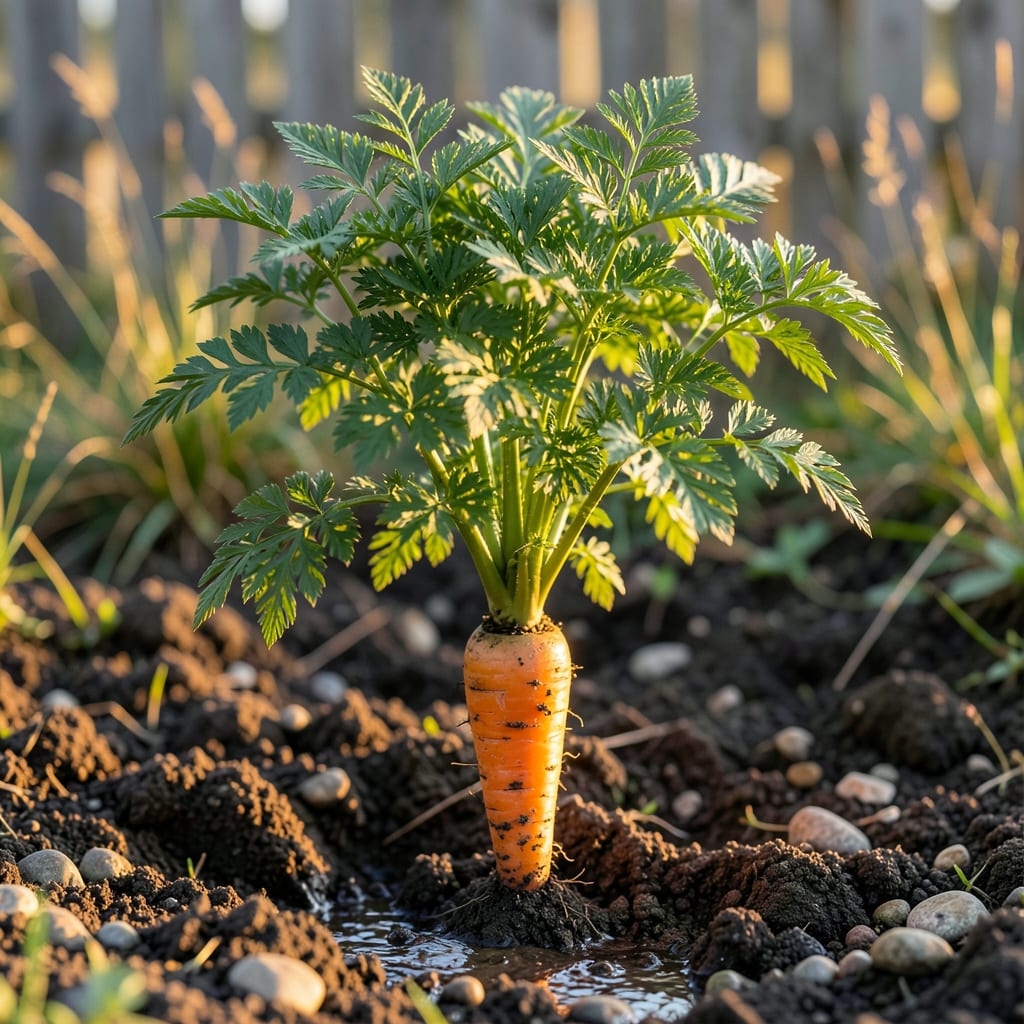
If you’ve ever pulled up stunted, bitter carrots from your North Carolina garden, timing might be your silent saboteur. Our state’s unpredictable swings—from late frosts to sudden heatwaves—can turn a promising crop into a disappointment overnight.
After years of testing (and a few failed harvests), I’ve cracked the code for perfectly timed 🥕 carrot planting in NC. Whether you’re in the Piedmont or along the coast, I’ll show you exactly when to sow for sweet, crisp roots—without the guesswork.
North Carolina’s diverse climate zones—from the Coastal Plain to the mountains—mean carrot planting isn’t one-size-fits-all. I’ve learned the hard way that what works in Asheville (Zone 7a) won’t fly in Wilmington (Zone 8a). Let’s break it down region by region.
The secret lies in soil temperature—carrots germinate best at 45°F–85°F. Too cold, and seeds rot; too hot, and roots get woody. I’ll show you how to hit that sweet spot across NC’s three distinct regions, plus the spring vs. fall advantages.
In the Coastal Plain, you can start as early as mid-February—but watch for late freezes! I always keep row covers handy for those surprise 30°F nights. The Piedmont’s clay soil warms slower, so I wait until March 1 to avoid rot.
Mountain gardeners, your shorter season means starting April 1 is safest. I’ve had success pushing to late March with cold frames, but only if I’m monitoring soil temps daily. Fall planting here must wrap by mid-July to mature before frost.
For spring crops, aim to harvest before daily temps exceed 75°F—carrots turn bitter in heat. My trick? Plant ‘Nantes’ varieties (65 days) early, then switch to ‘Danvers’ (75 days) for fall. Always succession plant every 2 weeks for continuous harvest.
Fall planting is my favorite—cooler temps mean sweeter carrots! In the Piedmont, I sow by August 15 to avoid wireworm pressure. Coastal gardeners can push to September 15, but add 30% more seeds to account for hurricane-season washouts.
Pro tip: Soil prep matters more than dates. I till in 2 inches of compost and sand (for clay) 2 weeks before planting. Carrots need loose, stone-free soil to grow straight. Test your soil pH—aim for 6.0–6.8 for best results.
Don’t forget moisture consistency! Carrot seeds need constant dampness to germinate (10–14 days). I use drip irrigation on a timer—15 minutes daily until sprouts appear. Once established, 1 inch of water weekly keeps roots from splitting.
For Piedmont gardeners struggling with clay, try ‘Paris Market’ carrots—they’re round and thrive in heavy soil. Coastal folks, ‘Solar Yellow’ resists bolting in your longer summers. Mountain growers, stick with short varieties like ‘Little Finger’ for your cooler climate.
Remember: Carrots taste sweeter after frost! I leave my fall crop in the ground until after the first light freeze (28°F–32°F). Just mulch heavily with straw to prevent soil heaving. This trick turns starches to sugars—game changer for flavor!
Still unsure? Grab a soil thermometer—they’re $10 at garden centers. When your soil hits 50°F at 2-inch depth, it’s go time. And if all else fails, NC Cooperative Extension offers free soil tests to dial in your timing.
🥕Even experienced NC gardeners can sabotage their carrot crop with simple oversights. I’ve seen perfectly good seeds fail because of timing missteps or soil prep shortcuts. The good news? These mistakes are easy to fix once you know what to watch for.
Our state’s clay-heavy soil and humid summers create unique challenges. For example, planting too late in spring means your carrots will struggle in 80°F+ heat, turning fibrous and bitter. Let’s break down the most common pitfalls—and how to avoid them.
One mistake I see often is misjudging fall planting. Many NC gardeners assume summer’s the only window, but August sowings often outperform spring crops. The key? Count backward from your first frost date (early November in Raleigh) and plant 10–12 weeks prior.
Another silent killer is inconsistent moisture during germination. Carrot seeds need constant dampness for 14–21 days to sprout. I use a light mulch (like straw) to retain moisture without smothering seeds. Pro tip: Water with a gentle spray nozzle to avoid washing seeds away.
If your carrots keep coming up stubby or forked, blame the soil. NC’s red clay is notorious for deforming roots. Before planting, I loosen the top 12 inches and mix in aged compost or coarse sand. For heavy clay, try short varieties like ‘Paris Market’—they’re forgiving!
Finally, don’t overlook succession planting. Instead of sowing all seeds at once, I stagger plantings every 2–3 weeks until late spring. This ensures a steady harvest and prevents a glut of carrots ready all at once. Pair this with row covers in early spring to protect from late frosts.
Remember: Carrots thrive on cool weather and patience. Avoid these mistakes, and you’ll pull up sweet, straight roots every time—no green thumbs required! 🪴
Not all carrots thrive equally in North Carolina’s diverse microclimates. After testing dozens of varieties across our state’s three regions, I’ve found the winners that handle everything from Piedmont clay to coastal humidity. The right variety can mean straighter roots and sweeter flavor with half the effort.
Our humid summers and variable soils demand careful selection. In the Coastal Plain, heat-tolerant types prevent bolting, while mountain gardeners need cold-hardy varieties. I’ll share my top picks for each region, including days to maturity and special adaptations that make them NC superstars.
For Piedmont gardeners, Danvers is my go-to. Its tapering shape powers through our notorious clay, producing 7-inch roots even in less-than-perfect soil. I’ve grown these in unamended beds with decent results—though adding compost always improves yield.
Coastal gardeners should try Nantes—it handles sandy soil and high humidity like a champ. The 6-inch cylindrical roots stay sweet even when temps climb. For summer planting, Solar Yellow is a game-changer, resisting bolting when others fail.
Mountain growers face shorter seasons and rocky soil, making Paris Market ideal. These golf-ball-sized carrots mature quickly and don’t mind cool nights. I’ve harvested them after light frosts with enhanced sweetness—perfect for high-elevation gardens.
Don’t overlook container varieties like Little Finger. These 4-inch roots thrive in raised beds or deep pots, making them perfect for urban gardeners. I’ve grown them successfully on Raleigh balconies with just 6 inches of soil depth.
Remember: Variety selection impacts flavor and texture as much as timing. Pair these picks with our regional planting windows from Section 1, and you’ll be pulling up perfect carrots all season long—no matter where you garden in NC! 🥕
For the Piedmont (Zone 7b), sow by August 15 to ensure harvest before first frost. I’ve successfully planted as late as September 1 in Raleigh, but add extra row covers for protection against early cold snaps.
Compacted soil is usually the culprit, especially in NC’s clay-heavy regions. Loosen soil 12 inches deep and mix in sand or compost before planting. For rocky mountain soil, try round varieties like ‘Paris Market’ instead.
Choose short varieties like ‘Little Finger’ and use containers at least 12 inches deep. Place in full sun (6+ hours daily) and water every 2–3 days—containers dry out faster than garden beds.
Use row covers or cold frames when temps dip below 32°F. Coastal gardeners can plant earlier (mid-February) but should keep covers handy until mid-March. Mountain growers: wait until April 1 unless using protection.
Leave carrots in the ground until after the first light frost (28°F–32°F). The cold converts starches to sugars! Mulch heavily with straw to prevent soil heaving, and harvest before the ground freezes solid.
