
Beautiful Plants For Your Interior
Beautiful Plants For Your Interior
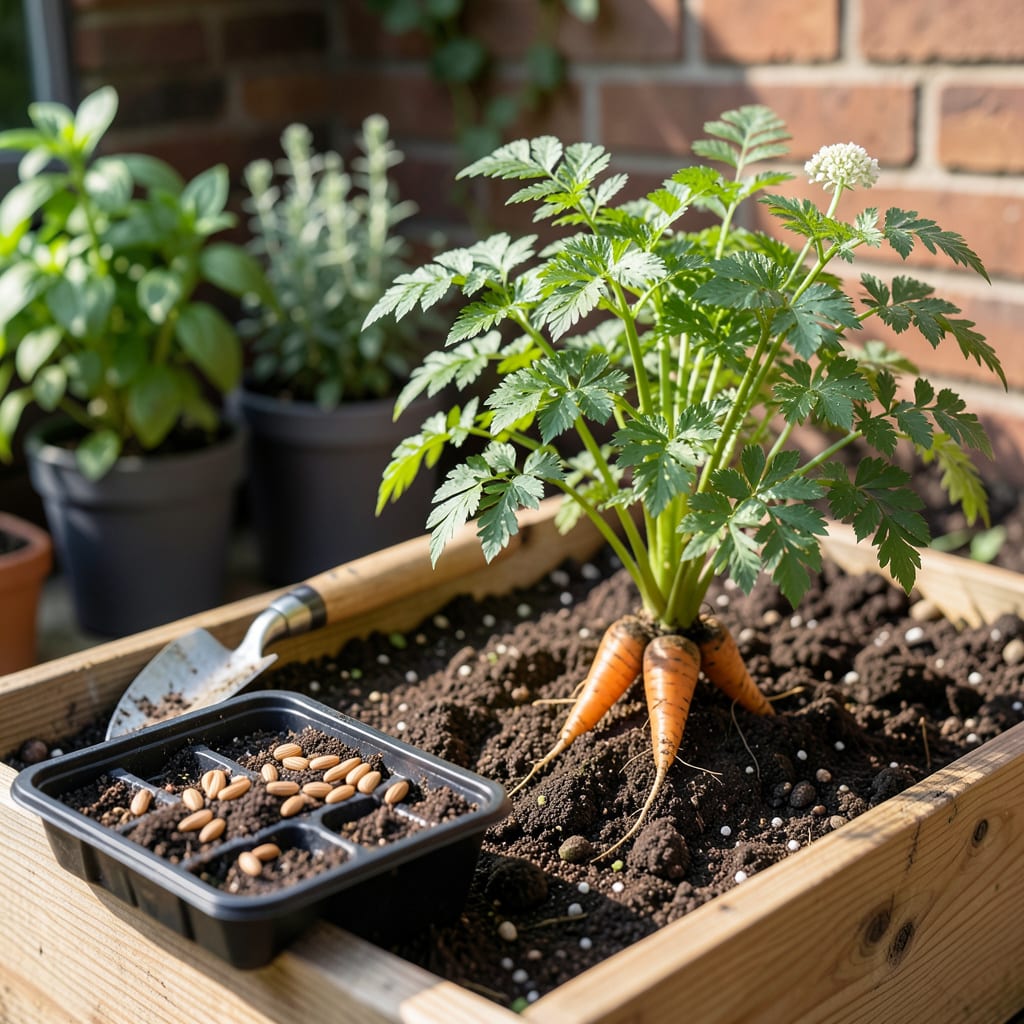
Missouri’s unpredictable springs can turn your 🥕 carrot dreams into a muddy mess—or worse, a bitter harvest. I’ve seen gardeners plant too early and lose seeds to late frosts, while others wait too long and end up with tough, woody roots.
The secret? Perfect timing—and it’s not just about the calendar. Whether you’re in Kansas City or the Ozarks, I’ll show you exactly when to get those seeds in the ground for sweet, crisp carrots that’ll make your neighbors jealous. Let’s dig into the details.
Missouri’s three USDA zones (5b–7a) mean your planting window shifts dramatically from Kansas City to the Bootheel. I’ve learned the hard way that soil temperature—not just the calendar—dictates success. Aim for 45–85°F soil, and you’ll avoid those sad, stunted carrots we’ve all pulled up.
In Zone 5b (northern MO), you’ll plant later than gardeners in Zone 6b (St. Louis area). But here’s the kicker: fall plantings often outperform spring ones in Missouri’s humid summers. Let’s break down the exact windows for your region.
| Region/Zone | Spring Planting | Fall Planting | Last Frost Date |
|---|---|---|---|
| Kansas City (6a) | March 15–April 1 | July 15–August 1 | April 10 |
| St. Louis (6b) | March 1–March 20 | July 20–August 10 | April 5 |
| Columbia (6a) | March 10–March 25 | July 10–July 30 | April 12 |
| Bootheel (7a) | February 20–March 10 | August 1–August 20 | March 25 |
Pro Tip: Use a soil thermometer—carrot seeds germinate poorly below 40°F or above 85°F. In Missouri’s clay soil, I add sand or compost to hit that sweet spot faster.
For spring plantings, I always count backward from the last frost date. In Zone 6a, that’s about 2–3 weeks prior—so mid-March for most of the state. But here’s what trips up new gardeners: carrots hate transplanting. Direct-sow those seeds!
Fall carrots are Missouri’s hidden gem. The trick? Plant 10–12 weeks before your first frost (around October 15 for most zones). I’ve had my best harvests from July 20 plantings—they mature in cooler weather, avoiding the bitterness summer heat brings.
If you’re in northern Missouri (Zone 5b), push your spring planting to early April and fall planting to late June. The shorter season means you’ll rely more on fast-maturing varieties like ‘Paris Market’ (50 days) or ‘Little Finger’ (55 days).
Down in the Bootheel (Zone 7a), you’ve got a longer window—but watch for early summer heat. I’ve seen carrots bolt by June if planted too late. Stick to February 20–March 10 for spring, and you’ll harvest before the 90°F days hit.
No matter your zone, succession planting is your friend. I sow a new row every 2–3 weeks until late spring, then again in late summer. This way, I’m pulling fresh carrots from June through November—without a single grocery store trip!
Remember: Missouri’s clay soil is the enemy of straight carrots. I loosen the bed 12 inches deep and mix in composted leaves before planting. If you’re in the Ozarks, add extra sand—those rocky soils will fork your roots faster than you can say “bunny food.”
Lastly, keep an eye on the 10-day forecast. If nighttime temps dip below 28°F after planting, cover your beds with frost cloth. I lost an entire early batch to a late March freeze—learn from my mistake!
🌱Missouri’s heavy clay soil and humid summers can make or break your carrot crop. After years of trial and error, I’ve found these five game-changing tips that turn struggling seeds into sweet, crisp roots—no matter if you’re in Kansas City or the Ozarks.
The key? Working with Missouri’s climate, not against it. From soil prep to pest control, these tricks will save you from the forked roots and bitter harvests that plague so many gardeners here. Let’s dig in.
Bonus: Sprinkle coffee grounds around plants to deter carrot rust flies—a common Missouri pest!
For spring plantings, I always soak seeds overnight to speed germination in our cool soils. Missouri’s average last frost (April 15) is your cue—but watch the soil temp, not just the calendar. Seeds rot in cold, wet ground.
In summer, shade cloth (30% density) is your best friend. I drape it over carrots when temps climb above 85°F to prevent bolting. Remove it by late afternoon to avoid trapping heat.
Fall carrots are Missouri’s sweetest secret. The cooler temps reduce pest pressure and boost sugar content. I plant my fall crop by July 20 in Zone 6a, ensuring harvest before the first frost. Mulch with straw to extend the season.
If you’re dealing with rocky Ozark soil, try container growing. Use a 12-inch-deep pot filled with a mix of potting soil and sand. I’ve grown perfect ‘Paris Market’ carrots this way when my garden beds were too compacted.
Lastly, thin seedlings early—when they’re 2 inches tall. Crowded carrots compete for nutrients, leading to stunted growth. I use scissors to snip extras at soil level, avoiding root disturbance. This small step doubles my harvest weight!
🌱Even experienced Missouri gardeners can end up with forked, bitter, or stunted carrots if they’re not careful. I’ve made (and fixed) every mistake in the book—from planting too deep to ignoring soil pH. Let’s tackle the most common pitfalls so you can avoid them.
The biggest issue I see? Compacted soil—especially in Missouri’s clay-heavy regions. If your carrots look like they’ve been through a twister, it’s likely because the roots couldn’t push through dense ground. Here’s how to diagnose and fix the top problems.
Missouri-Specific Tip: Our high humidity can encourage fungal diseases. Space seeds 2 inches apart for airflow and water in the early morning to let foliage dry.
Another frequent mistake? Over-fertilizing. Carrots don’t need rich soil—too much nitrogen gives you lush tops but puny roots. I use a light 5-10-10 fertilizer only at planting, then let the soil do the rest.
Missouri’s unpredictable springs also trip up gardeners. I’ve seen folks plant after the last frost date (April 15), only to have a late cold snap wipe out their seeds. Always check the 10-day forecast and be ready with frost cloth if temps dip.
If your carrots are hairy or rough, you’re likely overwatering or have uneven moisture. Aim for 1 inch of water per week, and mulch with straw to keep soil consistently moist. In Missouri’s summer heat, I water deeply every 3 days to prevent cracking.
Finally, don’t ignore pest pressure. Missouri’s carrot rust flies love to lay eggs near your plants. I rotate crops yearly and plant onion family companions (like chives) to deter them. If you see rust-colored tunnels in roots, it’s too late—prevention is key!
🥕Summer plantings are risky due to Missouri’s high heat (above 80°F). Carrots matured in hot weather often turn bitter. Instead, focus on early spring or late summer (July-August) for fall harvests. Use shade cloth if you must plant in summer.
Loosen the soil 12+ inches deep and mix in compost or sand to improve drainage. Missouri’s heavy clay can cause forked roots. For best results, add aged wood chips or leaf mold to lighten the soil texture.
Short, stout varieties like ‘Danvers’ or ‘Chantenay’ perform best in Missouri’s clay soil. They resist forking and mature quickly. For sandy loam areas, try ‘Nantes’ for sweeter, longer roots.
Plant 10–12 weeks before your first frost (around October 15 for most zones). In Zone 6a, aim for late July to early August. Fall carrots often taste sweeter due to cooler maturation temperatures.
Bitterness usually results from heat stress (temps above 80°F) or inconsistent watering. Plant earlier in spring or later in summer for fall harvest. Mulch with straw to keep soil cool and moist.
