
Beautiful Plants For Your Interior
Beautiful Plants For Your Interior
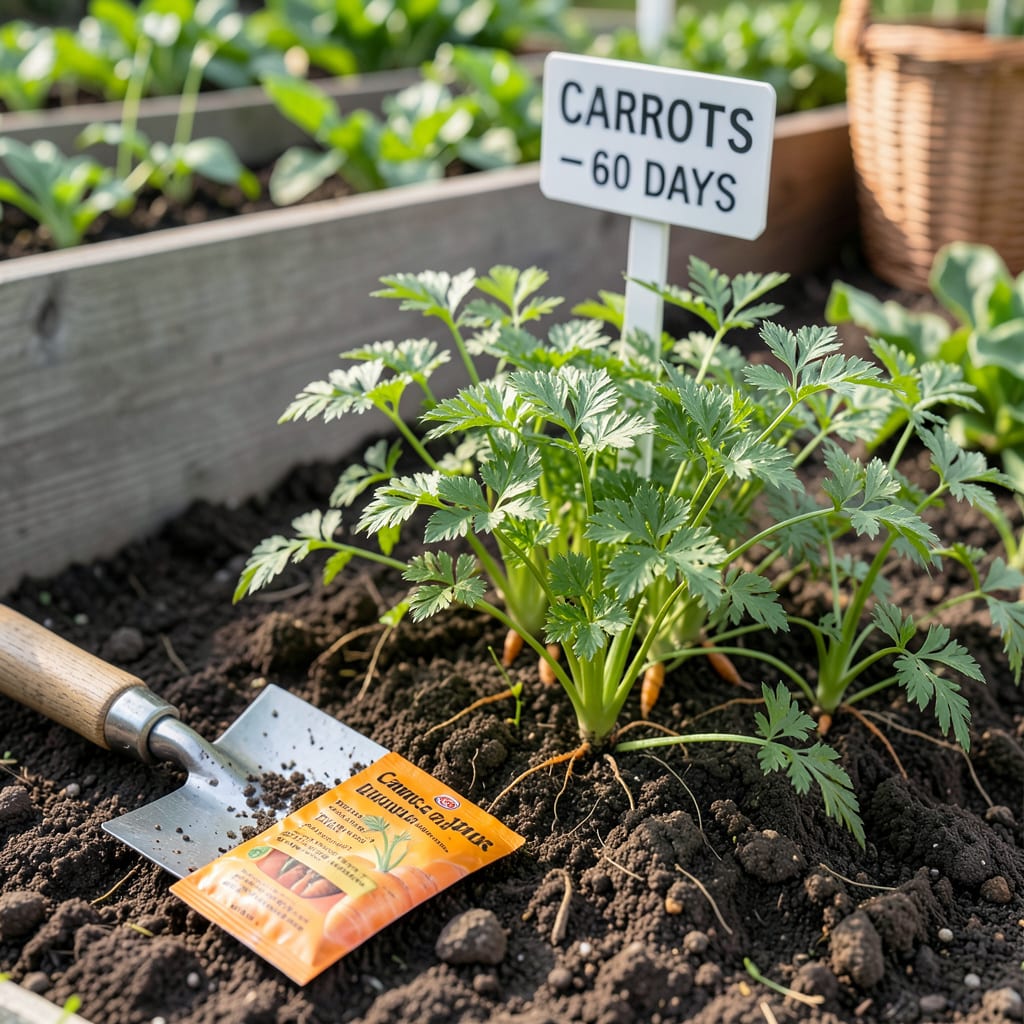
Nothing beats the taste of homegrown 🥕 carrots—sweet, crisp, and pulled fresh from your Michigan garden. But timing is everything here, where unpredictable springs and early frosts can make or break your harvest.
I’ve tested the perfect planting windows for Michigan’s Zone 5b climate, and the difference is night and day. Skip the guesswork—let’s get your seeds in the ground at just the right moment for a bounty of crunchy, flavorful roots.
Michigan’s diverse climate zones mean your carrot planting window shifts dramatically from the Upper Peninsula to Southern Michigan. In the UP (Zone 4), you’ll plant later than gardeners in Detroit (Zone 6), where springs warm up faster.
For most of the state, aim to sow 2–3 weeks before your last frost—that’s typically mid-April to early May in the Lower Peninsula. Up north? Wait until late May when soil temps hit a steady 45°F. Carrots thrive in cool soil, but they’ll rot if it’s too wet or cold.
| Region | Spring Planting Window | Fall Planting Window | Last Frost Date |
|---|---|---|---|
| Upper Peninsula | Late May–June 1 | July 15–Aug 1 | June 10 |
| Northern Lower | April 20–May 10 | July 1–July 20 | May 15 |
| Southern Michigan | March 20–April 10 | Aug 1–Aug 15 | April 30 |
💡 Pro Tip: Use a soil thermometer—carrot seeds germinate best at 50°F–85°F. Below 45°F? They’ll just sit there.
Fall plantings are your secret weapon for sweeter carrots. Sow seeds 10–12 weeks before your first frost—that’s mid-July in the UP and early August downstate. Cool autumn temps reduce bitterness and boost sugar content. Just add a thick mulch (2–3 inches of straw) to protect young plants from surprise frosts.
Michigan’s clay-heavy soils can stunt carrot growth, so prep matters. Work in 2–3 inches of compost or sand to loosen the ground. Avoid fresh manure—it causes forked roots. For urban gardens with compacted soil, try short varieties like ‘Paris Market’ (golf-ball sized) or grow in raised beds filled with sandy loam.
Succession planting stretches your harvest. Make three plantings: early spring, late spring, and midsummer. Space them 3–4 weeks apart to avoid gluts. Thin seedlings to 2 inches apart once they’re 2 inches tall—crowding leads to stunted, misshapen carrots. Use scissors to snip (not pull) extras to avoid disturbing roots.
Watch the 10-day forecast before sowing. If heavy rain is predicted, delay planting—carrot seeds are tiny and easily wash away. Cover beds with row fabric if temps dip below 28°F after germination. In southern Michigan, you can often sneak in a winter harvest by planting in late August and covering with hoop tunnels.
For urban gardeners in Detroit or Grand Rapids, microclimates matter. South-facing walls or paved areas warm soil faster—plant 7–10 days earlier there. Rural areas with open fields may have cooler soils; wait until temps stabilize. Always check your local frost dates—they can vary by a week even within the same county!
Need a foolproof schedule? Set calendar reminders for these key dates: Southern MI: March 20 (spring), August 1 (fall) Central MI: April 10 (spring), July 15 (fall) Northern MI/UP: May 1 (spring), July 1 (fall) Stick to these, and you’ll avoid the bitter, woody carrots that plague late plantings.
Remember, carrots grow best when daytime temps stay below 75°F. Once summer heat hits, switch to shade cloth (30–50%) to prevent bolting. In the UP, where summers are milder, you can often grow carrots straight through until October. Downstate, focus on spring and fall crops—summer plantings tend to struggle with heat stress.
Michigan’s short growing season doesn’t mean you can’t enjoy fresh carrots for months. With a few smart strategies, I’ve stretched my harvest from early summer to late fall—even sneaking in a few winter pulls! The key is working with Michigan’s cool springs and crisp autumns.
First, master succession planting. Instead of sowing all your seeds at once, make three separate plantings: one in early spring, another in late spring, and a final batch in midsummer. Space them 3–4 weeks apart to avoid a glut. This way, you’ll have continuous harvests instead of one overwhelming batch.
⚠️ Avoid This: Never let soil dry out completely—uneven watering causes cracked, bitter roots. Aim for 1 inch of water per week, including rain.
For urban gardeners, containers are a game-changer. Use deep pots (12+ inches) filled with a sandy loam mix. Plant ‘Nantes’ or ‘Danvers’ varieties—they tolerate containers well. Place pots in full sun (6+ hours) and elevate them to avoid waterlogged roots after heavy rains.
Don’t overlook fall plantings—they often yield the sweetest carrots. Sow seeds in late July to early August, depending on your region. Cool nights convert starches to sugars, giving you candy-like flavor. Protect young plants with floating row covers if nights dip below 30°F.
If you’re dealing with poor soil, raised beds are worth the effort. Fill them with a mix of 50% topsoil, 30% compost, and 20% sand. This mimics the loose, well-draining conditions carrots love. Avoid fresh manure—it introduces weeds and can fork your roots.
Finally, keep an eye on pests like carrot rust flies. Cover beds with fine mesh netting (1mm holes) from May to July to block adults from laying eggs. Rotate planting locations yearly to disrupt their life cycle. If you spot yellowing leaves, remove affected plants immediately to prevent spread.
With these tricks, you’ll turn Michigan’s challenging climate into a carrot-growing advantage. I’ve used them to harvest crisp, sweet roots from April through December—yes, even after snowfall! The secret? Consistent moisture, proper spacing, and timely protection from extremes. 🌱
Not all carrots thrive in Michigan’s cool springs and clay-heavy soils. After testing dozens of varieties, I’ve found the fast-maturing, cold-hardy types perform best here. The key is matching the carrot’s days to maturity with your region’s frost-free window—especially in the Upper Peninsula.
For Southern Michigan, where the season stretches to 180 days, you can grow longer varieties like ‘Danvers’ (70 days). But in the UP (Zone 4), stick to quick growers like ‘Nantes’ (60 days) or ‘Paris Market’ (55 days). These tolerate cooler soils and resist bolting when temps spike.
| Variety | Days to Maturity | Best For | Soil Type | Flavor Profile |
|---|---|---|---|---|
| Nantes | 60–70 | All regions | Loamy/sandy | Sweet, crisp |
| Paris Market | 55–60 | Heavy clay | Compacted | Tender, mild |
| Danvers | 70–80 | Southern MI | Deep, loose | Earthy, robust |
| Little Finger | 50–55 | Containers | Sandy | Juicy, sweet |
| Chantenay | 65–75 | Clay soils | Rocky | Firm, less sweet |
🌱 Pro Tip: For fall storage, choose ‘Danvers’ or ‘Chantenay’—they hold in the ground longer without getting woody.
If you’re gardening in urban areas with compacted soil, ‘Paris Market’ and ‘Little Finger’ are your best bets. Their short, rounded roots won’t fork or split in tough conditions. For raised beds, ‘Nantes’ excels—its 6-inch roots grow straight in loose, amended soil.
Want winter harvests? Try ‘Merida’ (60 days), a cold-tolerant variety that survives under thick mulch until December in Zone 5+. In the UP, stick to ‘Early Nantes’—it matures in 50 days and handles cool summers better than most.
For storage carrots, ‘Danvers’ and ‘Chantenay’ keep for 4–6 months in a root cellar. Avoid ‘Little Finger’—it’s best eaten fresh. Always harvest before hard frosts (below 25°F), or cover beds with 6 inches of straw to extend the season.
Remember, seed freshness matters! Carrot seeds lose viability after 3 years. For best germination, buy new seeds annually or test old ones by sprouting 10 seeds on a damp paper towel. If fewer than 6 germinate, replace your stock. 🌿
For fall harvests, sow seeds 10–12 weeks before your first frost. In Southern Michigan, aim for early August, while Upper Peninsula gardeners should plant by mid-July. Cool autumn temps enhance sweetness, but protect young plants with mulch if nights drop below 30°F.
Work in 2–3 inches of compost or sand to loosen heavy clay. Avoid fresh manure—it causes forked roots. For urban gardens, try raised beds with a 50% topsoil, 30% compost, 20% sand mix. Short varieties like ‘Paris Market’ thrive in compacted soils.
Use deep pots (12+ inches) filled with sandy loam mix. Choose compact varieties like ‘Little Finger’ or ‘Nantes’. Place containers in full sun (6+ hours) and elevate to prevent waterlogging. Container carrots mature faster—harvest in 50–60 days.
Bitterness comes from high temps (above 75°F) and inconsistent watering. Use shade cloth (30–50%) during peak summer. Mulch heavily to keep soil cool and moist. Plant in spring or fall for sweeter roots—summer crops often struggle without protection.
Cover beds with row fabric or floating row covers if temps dip below 28°F. For overnight frosts, add a thick mulch layer (2–3 inches). In Zone 5+, you can often leave mature carrots in the ground under 6 inches of straw until December.
