
Beautiful Plants For Your Interior
Beautiful Plants For Your Interior
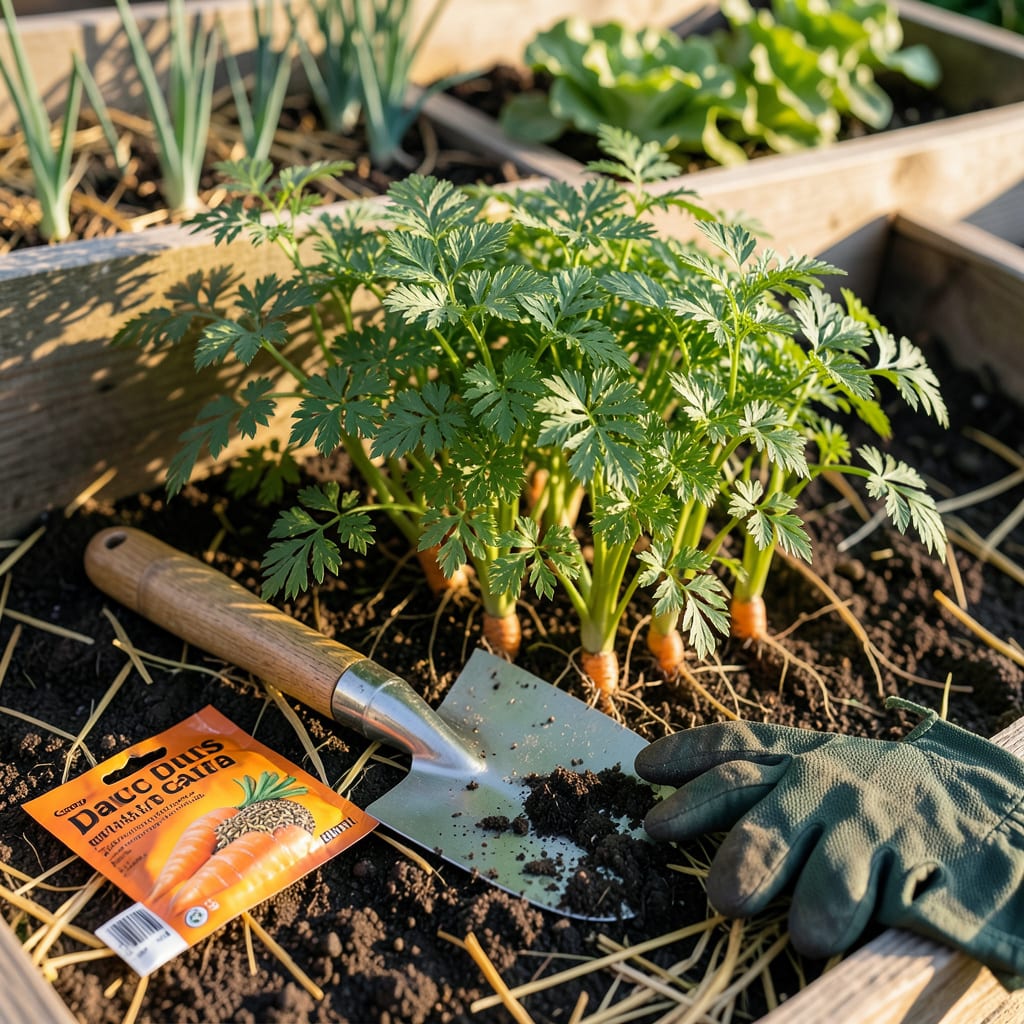
Timing your carrot planting in Louisiana can mean the difference between woody disappointments and those perfect, sweet 🥕 harvests you dream about. Our state’s unique climate—with its steamy summers and mild winters—demands a strategic approach most generic guides miss.
I’ve tested the ideal windows across Louisiana’s zones, and what works in Shreveport won’t always fly in New Orleans. Whether you’re prepping for spring or fall, I’ll show you exactly when to plant for roots so crisp they’ll put store-bought to shame. Let’s dig into the details.
Louisiana’s climate isn’t one-size-fits-all, and neither is your carrot planting schedule. Up north near Shreveport (Zone 8), you’ll want to start earlier than gardeners in New Orleans (Zone 9b). The key? Avoiding our brutal summer heat, which turns carrots bitter and woody.
I’ve found the sweet spot is planting when soil temps hit 50°F–85°F. Too cold, and seeds rot. Too hot, and you’ll get stubby roots. Let’s break down the exact windows for your part of the state—because timing here can make or break your harvest.
| Region | Spring Planting | Fall Planting | Notes |
|---|---|---|---|
| North LA (Zones 7b-8a) |
Feb 15–Mar 15 | Sep 1–Oct 1 | Watch for late frosts; use row covers if needed. |
| Central LA (Zone 8b-9a) |
Feb 1–Mar 1 | Sep 15–Oct 15 | Ideal for succession planting every 2 weeks. |
| South LA (Zone 9b-10a) |
Jan 15–Feb 15 | Oct 1–Nov 1 | Can plant earlier; avoid heavy rains in June. |
*Soil temp should be 50°F+ for germination. Use a soil thermometer!
In North Louisiana, your last frost date (around March 15) is your green light for spring planting. I like to sow ‘Danvers’ varieties here—they handle our clay soil better than finicky types. Just don’t push it past mid-March, or you’ll be battling bolts by May.
Down in South Louisiana, you’ve got a longer window, but humidity is your enemy. Fall plantings often outperform spring ones here because you avoid the June monsoons. Pro tip: Raise those beds! Our gumbo soil stays soggy, and carrots despise wet feet.
The fall window is my secret weapon statewide. Carrots sown in September mature in cooler weather, developing sweeter flavors. In Central LA, I’ve had great luck with ‘Nantes’ carrots planted by October 1—they’re ready just in time for Thanksgiving side dishes.
Watch your soil moisture like a hawk. Louisiana’s clay holds water, so I recommend mixing in sand or compost before planting. Aim for soil that crumbles in your hand—not sticky or powdery. And never let seeds dry out during germination; they need consistent moisture for 14–21 days.
If you’re in the Florida Parishes or near the coast, keep an eye on tropical systems. A sudden downpour can rot seeds or crack mature carrots. I use shade cloth during heavy rain forecasts to protect young plants. Better safe than sorry when you’re 60 days into growing!
For all regions, remember: thin seedlings to 2 inches apart once they’re 2 inches tall. Crowded carrots grow twisted and stunted. And mark your calendar for 70–80 days after planting—that’s harvest time for most varieties in our climate.
Still unsure? Grab a soil thermometer (they’re cheap!) and check that you’re in the 50°F–85°F range before sowing. Our winters are mild, but a cold snap below 20°F can kill young carrot tops. When in doubt, err on the side of planting later in your window.
Now that you’ve got the timing down, let’s talk varieties. Not all carrots thrive in our heat and humidity—next up, I’ll share the top 5 types that consistently perform in Louisiana gardens, plus exactly when to plant each for maximum success. 🌱
Growing carrots in Louisiana isn’t just about timing—it’s about outsmarting our sticky clay soil and relentless humidity. I’ve lost count of how many gardeners I’ve seen struggle with stubby, forked roots because they skipped these critical steps. Let’s fix that with my battle-tested techniques.
First, accept that our heavy clay soil is public enemy number one for carrots. These roots need to push through easily, or you’ll end up with more twists than a Mardi Gras parade. The solution? Loosen that soil at least 12 inches deep before planting—no shortcuts here.
*Bonus: Sprinkle coffee grounds lightly around seedlings to deter carrot rust flies—just don’t overdo it!
Here’s a trick I swear by: Pre-soak your seeds for 24 hours before planting. Our high humidity can cause seeds to form a crust that blocks germination. Soaking kicks off the process and gives you a 20% better sprouting rate in my trials. Just drain them well before sowing.
Watch out for carrot rust flies—they’re the silent killers of Louisiana carrot patches. These pests lay eggs near your plants, and their larvae tunnel into roots. I combat them with floating row covers from day one until harvest. Remove covers only for weeding or thinning, then recover immediately.
Watering is where most folks mess up. Our clay holds moisture, so overwatering is the bigger risk than drought. I use the “finger test”: Stick your finger 1 inch into the soil. If it’s damp, wait. If dry, water deeply but briefly. Aim for 1 inch per week, including rain. Drip irrigation works best—no wetting the foliage.
Thinning is non-negotiable, but do it at night to avoid attracting pests. When seedlings hit 2 inches tall, snip (don’t pull!) the weakest ones, leaving 2–3 inches between plants. Crowded carrots compete for nutrients, leading to those disappointing “baby” roots you see at farmers’ markets in July.
Finally, don’t ignore foliar feeding. Every 3 weeks, I spray my carrot tops with a weak fish emulsion mix (1 tbsp per gallon). This gives them a nutrient boost without over-fertilizing the roots, which can cause forking. Stop all feeding 2 weeks before harvest to let sugars concentrate in the roots.
Remember, Louisiana’s fall crop often outperforms spring plantings because the cooling temps sweeten the roots naturally. If you’re only planting once, make it your fall batch. And always harvest before temps dip below 20°F—our “mild” winters can still damage exposed carrot shoulders. 🌱
Not all carrots are created equal when it comes to Louisiana’s humid, heat-prone climate. I’ve tested dozens of varieties over the years, and only a handful consistently deliver straight, sweet roots without bolting prematurely. The secret? Matching the variety to your planting season and soil type.
For spring plantings, you need fast-maturing types that beat the heat. In fall, slower-growing varieties shine as they sweeten in cooler weather. Let’s break down the top performers for Louisiana gardens—complete with ideal planting windows and why they thrive where others fail.
| Variety | Best For | Days to Harvest | Planting Window | Why It Works |
|---|---|---|---|---|
| Danvers 126 | Clay soil | 75 days | Feb–Mar or Sep–Oct | Tapered shape pushes through heavy soil; heat-tolerant. |
| Nantes | Containers/raised beds | 65 days | Jan–Feb or Oct–Nov | Sweet, crisp, and fast-growing; ideal for short seasons. |
| Paris Market | Poor soil | 60 days | Feb–Mar only | Round shape avoids forking; great for clay-heavy areas. |
| Chantenay | Hot climates | 70 days | Sep–Oct only | Short roots handle heat; stores well in humid conditions. |
| Atomic Red | Pest resistance | 80 days | Feb–Mar | High anthocyanin deters pests; unique color for markets. |
*All varieties perform best in loose, well-drained soil. Adjust planting dates by 2 weeks for North vs. South LA.
For spring planting, I always recommend ‘Danvers 126’ as the gold standard. Its tapered shape slices through our dense soil like a dream, and it handles early heat waves better than most. Plant these by March 1 in Central LA to harvest before summer’s worst. They’re also my top pick for freezing—retain texture beautifully.
If you’re dealing with containers or raised beds, ‘Nantes’ is your best friend. These cylindrical carrots mature in just 65 days, perfect for our short spring window. I’ve grown them successfully in everything from 5-gallon buckets to fancy cedar boxes. Just ensure your container is at least 12 inches deep to prevent stubby roots.
For fall plantings, ‘Chantenay’ steals the show. These stubby carrots sweeten as temps drop, and their short roots avoid the forking that plagues longer varieties in our clay. Sow by October 15 in South LA for a Christmas harvest. They’re also the most storage-friendly—I’ve kept them crisp in my fridge for 3 months!
Struggling with pests or poor soil? Try ‘Paris Market’ (round) or ‘Atomic Red’ (purple). The round shape of Paris Market avoids deformities in compacted soil, while Atomic Red’s color confuses pests like carrot rust flies. Both are conversation starters at farmers’ markets too! Just note that Atomic Red takes 80 days, so plant early.
Remember, succession planting is key in Louisiana. I sow a new row every 2–3 weeks within the planting window to extend my harvest. And always mulch with straw—it keeps soil temps steady, which is critical when our weather swings from 80°F to 50°F in a week. 🌱
In North Louisiana, don’t plant after March 15—heat waves hit hard by May. For Central/South LA, cut off spring planting by February 15 to avoid woody, bitter roots.
Almost! Skip only June–August when heat and humidity peak. Focus on fall plantings (Oct–Nov) for the sweetest results—cooler temps enhance sugar content.
Blame our clay-heavy soil. Loosen beds to 12+ inches deep and mix in 50% compost + 25% sand before planting. Pro tip: Try ‘Paris Market’ (round) or ‘Danvers’ (tapered) varieties—they handle dense soil better.
Cover seedlings with floating row fabric when temps dip below 20°F. Mulch heavily with straw (not hay) to insulate roots. In North LA, harvest before November 15 just in case.
