
Beautiful Plants For Your Interior
Beautiful Plants For Your Interior
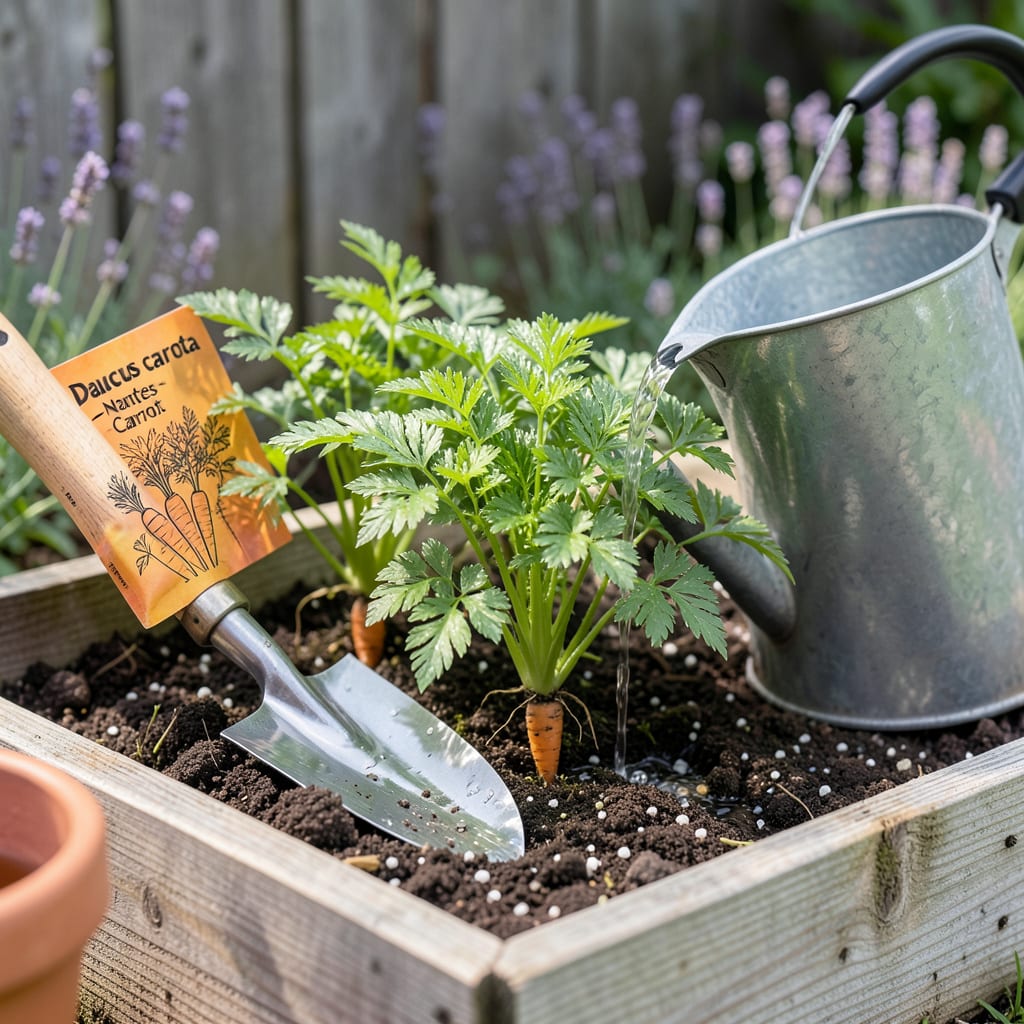
Ever pulled up a sad, stubby carrot instead of that crisp, sweet root you dreamed of? In Kentucky, timing isn’t just important—it’s the difference between a bountiful harvest and a garden flop. Our unpredictable spring weather and heavy clay soil make planting 🥕 carrots a game of strategy, not luck.
I’ve spent seasons testing the perfect window for Kentucky’s USDA Zone 6b, and here’s the good news: you can grow incredible carrots if you know when to start. Let me show you exactly how to sync with our last frost dates and soil temps—so you’re pulling up perfect roots by May or June.
If you’ve ever wondered why your neighbor’s carrots look like grocery store perfection while yours resemble gnarled twigs, the answer is almost always timing. Kentucky’s USDA Zones 6a–7b give us two prime windows for planting: early spring and late summer for fall harvests. The key? Working around our last frost date (April 15).
Carrot seeds germinate best when soil temps hit 45°F–85°F, but they’ll rot in soggy spring soil. That’s why I start sowing 2–3 weeks before the last frost—usually late March in Louisville or early April in the mountains. Fall plantings go in by late July for a sweet, frost-kissed harvest.
🌱 Pro Tip: Fall carrots taste sweeter! Cooler soil converts starches to sugars.
Spring plantings in Kentucky are a race against bolting—when carrots send up flower stalks and turn bitter. To avoid this, I plant early varieties like ‘Paris Market’ (50 days) and harvest before summer heat kicks in. If you’re in Western KY (Zone 7), you can push planting to early May for a late spring crop.
Fall carrots are my favorite because they’re low-maintenance and delicious. Start seeds in late July, and they’ll size up just as cool nights arrive. The trick? Keep soil moist during germination—Kentucky’s summer droughts can dry out seeds before they sprout. A light mulch of straw helps retain moisture without smothering tiny seedlings.
Watch your soil temperature like a hawk. Carrot seeds won’t germinate in cold, wet soil below 40°F, but they’ll also struggle in hot, dry conditions above 85°F. I use a cheap soil thermometer to check depths of 1–2 inches—when it reads 50°F, it’s go time.
Eastern Kentucky gardeners (higher elevations) should adjust timing by 7–10 days later than the Bluegrass region. If you’re in Lexington, your last frost is around April 15, but in Pikeville, it might be closer to April 25. Always check your local frost dates and add a buffer week for safety.
Succession planting works wonders here. I sow a small batch every 2 weeks from late March through May for a continuous harvest. For fall, I plant a single large batch in late July—just enough time to mature before the first frost (typically October 15 in Zone 6b).
Remember: Carrots take 60–80 days to mature, so count backward from your expected frost date. If you’re planting ‘Danvers’ (75 days), sow by early August for an October harvest. Shorter varieties like ‘Nantes’ (60 days) can go in as late as mid-August.
Kentucky’s clay soil can be a carrot’s worst enemy, but timing helps. Planting after heavy rains (when soil is workable but not waterlogged) prevents seeds from crusting over. If your soil is still cold and wet in early spring, wait a week—it’s better to plant late than risk rot.
Want the sweetest carrots? Let fall-planted roots experience a light frost or two before harvesting. The cold triggers sugar production, making them taste like candy. Just be sure to mulch heavily with straw if hard freezes (25°F) are forecasted.
Still unsure? Grab a notebook and track your local conditions: jot down soil temps, rainfall, and germination rates each year. Over time, you’ll dial in the perfect Kentucky carrot calendar for your exact microclimate. And trust me—once you pull that first perfect, crunchy root, you’ll be hooked for life! 🥕
Kentucky’s infamous clay soil can turn carrot dreams into forked, stunted nightmares—unless you know these tricks. I’ve battled compacted soil across the Bluegrass, and the secret isn’t fighting the clay but working with it. Here’s how to transform your dense dirt into carrot-growing gold.
First, loosen the soil deeply—at least 12 inches down—before planting. Carrots need soft, crumbly soil to stretch their roots. I use a broadfork or digging fork to break up clay without turning it into concrete. Avoid tilling when wet; wait until soil is dry enough to crumble in your hand.
For heavy clay, I double-dig my beds in fall: remove topsoil, loosen the subsoil with compost, then replace. This prevents the “hardpan” layer that causes carrots to fork. If digging isn’t an option, grow short varieties like ‘Paris Market’ (2″ round roots) that tolerate dense soil better.
Moisture control is critical in clay. Carrot seeds need consistent dampness to germinate (7–14 days), but soggy soil = rot. I water lightly daily until sprouts appear, then switch to deep weekly soaks. A drip irrigation system on a timer saves my sanity during Kentucky’s unpredictable spring rains.
Here’s my clay-soil cheat: Mix in 1 inch of sharp sand (not beach sand!) and 2 inches of leaf mold before planting. The sand improves drainage, while leaf mold holds moisture without compacting. Avoid peat moss—it repels water when dry and can make clay worse over time.
Timing matters even more in clay. Plant 1–2 weeks later than sandy soil gardens to avoid cold, wet conditions. I wait until soil temps hit 50°F at 2″ depth—usually early April in Lexington, late April in the mountains. Fall plantings go in by July 20 to beat summer droughts.
Finally, mulch smart. Straw or shredded leaves (1–2″ deep) keep soil moist and cool, but avoid thick layers that smother seedlings. In clay, I use grass clippings (dried, not fresh) because they decompose quickly, adding organic matter without matting down like hay.
Remember: Clay soil warms slower in spring but retains moisture better in droughts. Use this to your advantage! With these tweaks, you’ll pull perfect carrots—even in Kentucky’s toughest dirt. 🥕
Not all carrots thrive in Kentucky’s humid summers and clay-heavy soil. After testing dozens of varieties across Zone 6b, I’ve found the winners—whether you want quick spring snacks or sweet fall storage crops. The secret? Matching days-to-maturity to our growing season length.
For early harvests, ‘Paris Market’ (60 days) is my go-to. These round, golf ball-sized carrots tolerate clay and mature fast enough to beat Kentucky’s summer heat. If you’re succession planting, ‘Nantes’ (65 days) offers classic flavor and performs well in both spring and fall.
🌱 Pro Tip: For clay soil, choose shorter varieties (under 7″). Long types like ‘Imperator’ often fork or stunt.
Fall plantings demand cold-hardy varieties. ‘Danvers’ (75 days) is my top pick—its tapered roots push through heavy soil, and it sweetens after frost. For late plantings, ‘Bolero’ (70 days) resists bolting and stores well into winter.
Western Kentucky gardeners (Zone 7a) can experiment with longer-season types like ‘Chantenay’ (70 days). Its blocky shape handles heat better than slender varieties. In Eastern KY’s cooler hills, stick to quick-maturing types—‘Mokum’ (55 days) is a favorite for early harvests.
For container growing, I love ‘Little Finger’ (55 days). These 4″ carrots thrive in 12″ deep pots—perfect for patios or clay-heavy yards. Pair with ‘Romeo’ (60 days) for a rainbow mix; its red cores hold color even in our humid summers.
Remember: Variety matters as much as timing. Match your choice to Kentucky’s 180-day growing season, and you’ll pull perfect roots every time. 🥕
Carrot seeds germinate best when soil reaches 50°F–85°F. In Kentucky, aim for at least 50°F at 2-inch depth—usually late March in the Bluegrass region. Use a soil thermometer to check before sowing.
Late July to early August is perfect for fall carrots in Kentucky. Choose varieties like ‘Danvers’ (75 days) and plant 70–80 days before the first frost (around October 15). Fall carrots often taste sweeter!
Loosen soil 12 inches deep and mix in sand + compost (50/50 ratio). Short varieties like ‘Paris Market’ resist forking better than long types. Avoid overwatering—clay holds moisture, which can stunt growth.
Planting too early in cold, wet soil! Carrot seeds rot below 40°F. Wait until 2–3 weeks before last frost (around April 1 in most of KY). Also, skip thinning—crowded seedlings = misshapen roots.
Yes, aim for 6+ hours of direct sunlight daily. In hot summers, afternoon shade helps prevent bolting. Fall plantings can handle partial shade as days shorten. A south-facing garden spot works best!
