
Beautiful Plants For Your Interior
Beautiful Plants For Your Interior
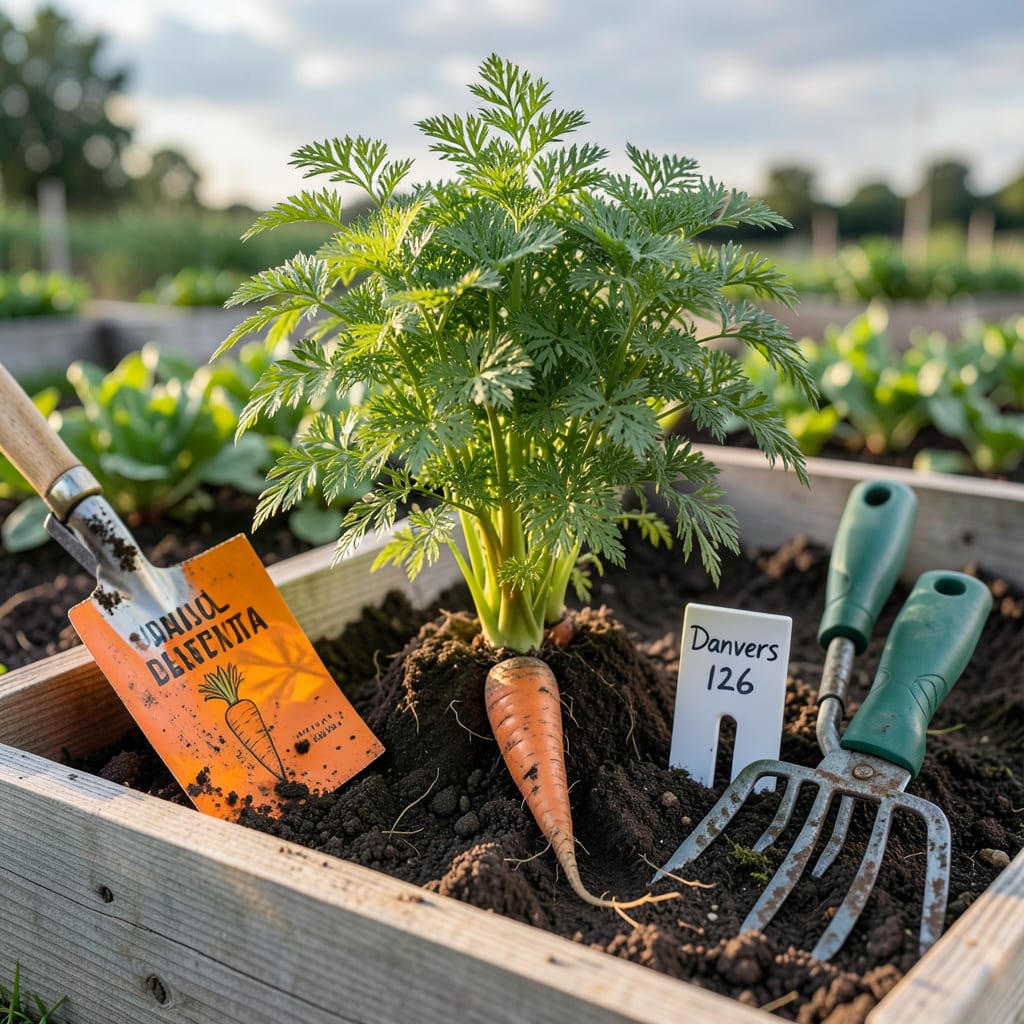
Timing your carrot planting in Indiana can mean the difference between sweet, crisp roots and tough, bitter disappointments. Our unpredictable springs and early falls make nailing that perfect window the key to success—whether you’re in Zone 5b or 6a.
I’ve tested countless planting schedules in Indiana’s clay-heavy soil, and what works in March up north won’t cut it in southern counties. Let me break down exactly when to sow those 🥕 seeds for two bountiful harvests—plus the soil prep tricks that’ll save you from rocky, misshapen carrots.
If you’re growing carrots in Indiana, timing is your secret weapon. Our state spans USDA Zones 5b-6b, meaning frost dates vary by region. In northern Indiana, you’ll need to wait until late April for spring planting, while southern gardeners can start 2-3 weeks earlier.
Fall planting offers a second chance for sweet roots. Aim to sow seeds 10-12 weeks before your first frost—typically late July to early August in most areas. Carrots thrive in cool soil, so fall crops often taste sweeter than spring-grown ones.
| Zone | Spring Planting | Fall Planting | Notes |
|---|---|---|---|
| 5b (North) | April 15 – May 15 | July 20 – August 10 | Use row covers for early planting |
| 6a (Central) | April 1 – April 30 | July 15 – August 5 | Watch for late frosts in early April |
| 6b (South) | March 15 – April 15 | July 10 – July 30 | Can plant earlier with protection |
*Adjust dates based on your local microclimate (urban areas may be 1-2 weeks earlier).
For spring planting, wait until soil reaches 45°F—carrot seeds germinate poorly in cold ground. I use a soil thermometer to check, but you can also watch for dandelions blooming as a natural indicator that soil is warm enough.
Fall carrots need extra attention to timing. Count backward from your first frost date (around October 15 for most of Indiana) and add 10-14 days for harvest flexibility. This ensures roots mature before hard freezes set in.
Indiana’s clay-heavy soils can challenge carrot growth. If your soil is compacted, consider raised beds or mixing in sand and compost to improve drainage. I’ve found that ‘Nantes’ varieties perform well in our soils because they’re shorter and less prone to forking.
Microclimates matter! Urban areas like Indianapolis or Fort Wayne may have slightly warmer soils than rural fields. If you’re in a city, you might plant 1-2 weeks earlier than the table suggests. Always monitor local weather forecasts.
For succession planting, make small sowings every 2-3 weeks until early June. This staggers your harvest and prevents gluts. I stop summer planting by July 1—carrots sown in hot weather often develop bitter flavors or poor texture.
Remember that carrot seeds need consistent moisture to germinate. Cover seeds with ¼ inch of fine soil and keep the bed damp (not soggy) for 10-14 days. A light mulch of straw helps retain moisture during Indiana’s unpredictable spring rains.
Fall-planted carrots can often overwinter in the ground with protection. I’ve successfully harvested carrots in December by covering beds with thick straw mulch and row covers. The cold actually converts starches to sugars, making them sweeter!
Whether you’re in Gary’s Zone 5b or Evansville’s Zone 6b, the key is watching your local conditions more than calendar dates. Keep a gardening journal to track what works best in your specific Indiana location each year.
Indiana springs are notorious for their mood swings—one week it’s 70°F and sunny, the next we’re scraping frost off windshields. After years of trial and error, I’ve learned that soil temperature matters more than air temperature for carrots. Never plant until your soil hits 45°F consistently.
A soil thermometer is your best friend here, but I also watch for nature’s signals: when dandelions bloom and forsythia finishes flowering, the soil’s usually ready. These visual cues work better than calendar dates in our unpredictable climate.
Our clay-heavy soils are the biggest challenge for Indiana carrot growers. I’ve had the best success with short varieties like ‘Paris Market’ or ‘Little Finger’ that don’t need deep penetration. For longer types, create 12-inch deep loosened soil channels by mixing in plenty of organic matter.
Spring rains can either help or hinder your carrots. While moisture aids germination, heavy downpours can crust the soil surface, preventing sprouts from breaking through. After planting, I cover beds with straw mulch to protect the soil structure while maintaining moisture.
Don’t forget about succession planting! I make new plantings every 14-21 days until early June. This ensures a continuous harvest rather than 50 carrots all at once. Stop planting by July 1—carrots sown in hot weather often develop bitter flavors or woody textures.
For early spring plantings, I use low tunnels or cold frames to warm the soil 2-3 weeks ahead of schedule. Even a simple DIY hoop house made with PVC pipes and plastic sheeting can give you a 3-week head start on the season. Just
Finally, keep meticulous records each year. Note your planting dates, germination rates, and harvest quality. Over time, you’ll develop a personalized planting calendar that accounts for your specific Indiana microclimate—whether you’re in the dunes of Northwest Indiana or the Ohio River valley.
🥕Not all carrots thrive equally in Indiana’s clay-heavy soils and variable climate. After testing dozens of varieties, I’ve found that shorter, quicker-maturing types consistently outperform long varieties in our state. The key is matching your growing season length to the carrot’s days-to-maturity.
For spring planting, focus on varieties that mature in 50-60 days like ‘Paris Market’ or ‘Little Finger’. These round or stubby carrots handle our cool, wet springs beautifully and won’t fork in heavy soil. I’ve had great success with ‘Nantes’ types too—they’re sweet, crisp, and reach harvest size in about 65 days.
| Variety | Days to Maturity | Best For | Indiana Advantage |
|---|---|---|---|
| Paris Market | 50-60 days | Spring/fall planting | Round shape resists forking |
| Nantes | 65 days | Spring planting | Sweet flavor, good in clay |
| Danvers | 70-80 days | Fall planting | Heat tolerant, stores well |
| Chantenay | 70 days | Clay soils | Short, broad roots |
*All varieties perform best in loose, well-drained soil with consistent moisture.
For fall planting, I recommend ‘Danvers’ or ‘Imperator’ types. These varieties handle cooling temperatures well and can often be left in the ground until December with proper mulching. The cold actually sweetens their flavor by converting starches to sugars—a bonus for Indiana gardeners!
If you’re dealing with heavy clay soil, ‘Chantenay’ carrots are your best bet. Their short, broad roots grow well in compacted soil where longer varieties would fork. I’ve grown beautiful Chantenays in untreated Indiana soil by simply adding a 2-inch layer of compost before planting.
For container growing, stick with smaller varieties like ‘Paris Market’ or ‘Little Finger’. These thrive in 12-inch deep containers and mature quickly. I’ve had great success growing them on my Indiana patio using a mix of potting soil and sand for drainage.
Remember that seed freshness matters with carrots—they lose viability quickly. Always use seeds less than 2 years old for best germination. I store my carrot seeds in the refrigerator in a sealed container to maintain viability between seasons.
🥕For fall carrots, sow seeds 10-12 weeks before your first frost—typically late July to early August in most areas. Northern Indiana gardeners should aim for July 20-August 10, while southern regions can plant until July 30.
Carrot seeds need soil temps of at least 45°F to germinate properly. Use a soil thermometer or watch for dandelions blooming—this natural sign means your soil is warm enough. Planting in colder ground leads to poor germination.
Choose short varieties like ‘Paris Market’ and use 12-inch deep containers with a mix of potting soil and sand. Keep soil consistently moist and place in full sun. Container carrots mature faster than ground-planted ones.
Forking happens in compacted clay soil—common in Indiana. Loosen soil 12 inches deep and mix in compost/sand before planting. Short varieties like ‘Chantenay’ resist forking better than long types. Avoid fresh manure which can also cause deformities.
