
Beautiful Plants For Your Interior
Beautiful Plants For Your Interior
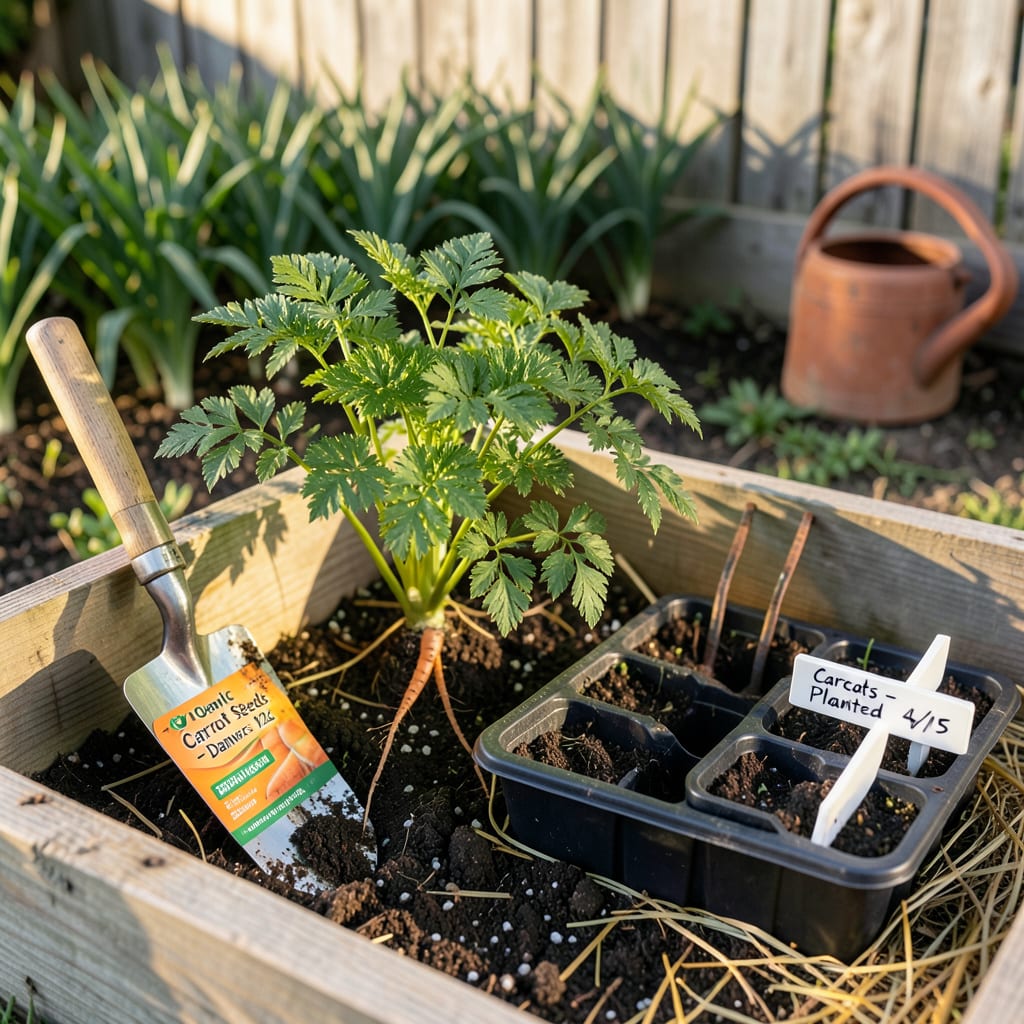
Ever pulled up stubby, bitter carrots and wondered what went wrong? In Illinois, timing isn’t just important—it’s everything. Plant too early, and a late frost zaps your seedlings. Wait too long, and summer heat turns your 🥕 crop woody before it even matures.
After years of testing (and a few failed harvests), I’ve nailed the perfect windows for Zone 5b-6a. Whether you’re aiming for sweet spring carrots or crisp fall roots, I’ll show you exactly when to sow—so you pull up plump, flavorful carrots every time.
Getting your carrot planting timing right in Illinois means working with our Zone 5 climate—where late frosts and humid summers can make or break your harvest. I’ve found that soil temperature is the secret weapon: carrots germinate best when soil hits 40–85°F, which in Illinois typically means early April for spring and late July for fall.
But here’s the kicker: Illinois spans USDA Zones 5b–6a, so your exact dates depend on whether you’re in Chicago’s urban heat islands or rural Southern Illinois. Northern gardeners should wait until after April 30 for spring planting, while southern folks can start 2–3 weeks earlier. Always check your local frost dates!
For spring planting, I always aim for 2–3 weeks before the last frost (around April 15 in central Illinois). This gives seeds time to germinate in cool, moist soil—critical since carrots can take 14–21 days to sprout. If you’re eager, try ‘Paris Market’ varieties; their round shape handles heavy spring rains better than long types.
Fall planting is my favorite for sweeter carrots—cooler temps convert starches to sugars! Start 10–12 weeks before your first frost (typically late July to early August). In Southern Illinois, you can push this to mid-August, but northern gardeners should wrap up by August 1 to avoid early frosts.
Watch the 10-day forecast before sowing. If temps will spike above 85°F, delay planting or use shade cloth—carrot seeds won’t germinate in hot, dry soil. I’ve lost entire rows to June heatwaves, so now I mulch heavily with straw to keep soil cool and moist.
Succession planting is key for continuous harvests. I plant a new row every 2–3 weeks until mid-May, then resume in late July. This staggers harvests and avoids gluts. For clay-heavy Illinois soil, mix in compost or sand to prevent forked roots—a common issue in our dense Midwestern earth.
Don’t forget soil prep! Carrots need loose, stone-free soil at least 12 inches deep. I till in aged compost (never fresh manure!) and avoid high-nitrogen fertilizers, which cause hairy roots. A pH of 6.0–6.8 is ideal—test your soil if you’ve had poor germination in the past.
In urban areas like Chicago, microclimates can extend your season. South-facing beds or raised containers warm up faster, letting you plant 7–10 days earlier than rural spots. Conversely, low-lying areas stay colder longer—adjust your dates accordingly. When in doubt, use row covers to protect early plantings from late frosts.
Finally, mark your calendar for harvest windows: spring-planted carrots are ready in 70–80 days (June–July), while fall-planted ones mature in 60–70 days (October–November). Pull them before soil freezes, or mulch heavily with straw or leaves to extend harvest into early winter—I’ve dug carrots from under snow in December!
Even with perfect timing, your Illinois carrot crop can fail if you overlook these common pitfalls. I’ve made every one of these mistakes—so you don’t have to! The biggest issue I see? Compacted soil, which stunts roots and leads to those sad, stubby carrots nobody wants.
Another silent killer: inconsistent moisture. Carrot seeds need evenly damp soil to germinate, but once sprouted, they despise soggy conditions. In Illinois’ humid summers, this balance is tricky. I’ll show you how to nail it—plus the succession planting error that leaves most gardeners with either no carrots or a sudden glut.
Illinois Carrot Disasters (And How to Fix Them)
The #1 rookie mistake is planting in unprepared soil. Illinois’ clay-heavy earth compacts easily, causing forked or stunted roots. Before sowing, I loosen soil to 12 inches deep and mix in 2 inches of compost—never fresh manure, which burns seeds. For raised beds, blend 1/3 sand to improve drainage.
Overcrowding is another yield-killer. Carrot seeds are tiny, so it’s tempting to sow thickly—but you must thin to 2 inches apart when seedlings hit 1 inch tall. Use scissors to snip (don’t pull!) to avoid disturbing roots. I plant radish seeds as markers—they sprout in 3–5 days, showing me where carrot rows are.
Watering mismanagement ruins more Illinois carrot crops than pests do. Seeds need daily misting until germination (keep soil moist like a wrung-out sponge). Once established, 1 inch of water weekly suffices—but never let soil dry completely or carrots turn bitter. In July’s heat, I water every 3 days and mulch with straw to retain moisture.
Timing your succession plantings wrong leads to feast-or-famine harvests. Instead of planting all seeds at once, I sow a new row every 2 weeks until mid-May, then pause until late July. This ensures continuous harvests from June through November. Skip this, and you’ll either drown in carrots all at once—or have none when you want them.
Finally, ignore pest pressure at your peril. In Illinois, carrot rust flies and wireworms love our humid summers. I prevent issues by rotating beds yearly and covering spring plantings with floating row covers until foliage reaches 6 inches tall. If you see yellowing leaves, act fast—it’s often the first sign of infestation.
Not all carrots thrive equally in Illinois’ Zone 5 climate. After testing dozens of varieties, I’ve found the best performers for our short springs and humid summers. The key? Matching days to maturity with our 180-day growing season—and choosing types that tolerate our clay-heavy soil.
For early spring planting, focus on quick-maturing varieties like ‘Paris Market’ (60 days) or ‘Little Finger’ (55 days). These handle cool soil better than long types and avoid the June heat that turns carrots bitter. Fall plantings shine with heat-tolerant varieties like ‘Danvers’ (75 days) or ‘Bolero’ (70 days), which hold up in August’s warmth.
If you’re gardening in Northern Illinois, prioritize cold-hardy varieties like ‘Mokum’ (55 days) or ‘Nelson’ (58 days). These tolerate late frosts and mature quickly in our shorter spring window. Southern Illinois gardeners can experiment with longer-season types like ‘Imperator’ (72 days), but I’d still recommend starting them early August for fall harvest.
For container gardening—perfect for Chicago balconies—stick to short varieties like ‘Paris Market’ or ‘Little Finger’. Use containers at least 12 inches deep with a lightweight potting mix (add 20% sand for drainage). I’ve grown ‘Paris Market’ in 5-gallon buckets with great success, harvesting baby carrots in just 50 days.
Storage potential matters too! ‘Danvers’ and ‘Bolero’ store well in cool, humid conditions (like a root cellar) for 3–4 months, while ‘Nantes’ is best eaten fresh. For winter storage, leave fall-planted carrots in the ground, mulch with 12 inches of straw, and harvest as needed—even after snowfall! Just avoid varieties prone to splitting, like ‘Imperator’, in heavy clay.
Lastly, don’t overlook colorful varieties! ‘Purple Haze’ (70 days) and ‘Yellowstone’ (70 days) add visual appeal and grow well in Illinois. Their unique pigments indicate high antioxidant levels, and kids love the rainbow harvests. Just
Summer planting is risky due to Illinois’ high heat. Carrot seeds struggle to germinate when soil exceeds 85°F. For summer harvests, plant in late spring (by May 15) or opt for shade cloth to cool the soil.
In Illinois, sow fall carrots 10–12 weeks before your first frost. For most regions, that’s late July to early August. Northern gardeners should finish by August 1, while southern areas can push to mid-August.
Stubby carrots usually mean compacted or rocky soil. Illinois’ clay-heavy earth is often the culprit. Loosen soil to 12 inches deep and mix in compost or sand before planting. Short varieties like ‘Paris Market’ also handle dense soil better.
Containers warm up faster than ground soil, so you can plant 7–10 days earlier in spring. Use pots at least 12 inches deep and choose shorter varieties like ‘Little Finger’. Keep soil consistently moist—potted carrots dry out quicker!
