
Beautiful Plants For Your Interior
Beautiful Plants For Your Interior
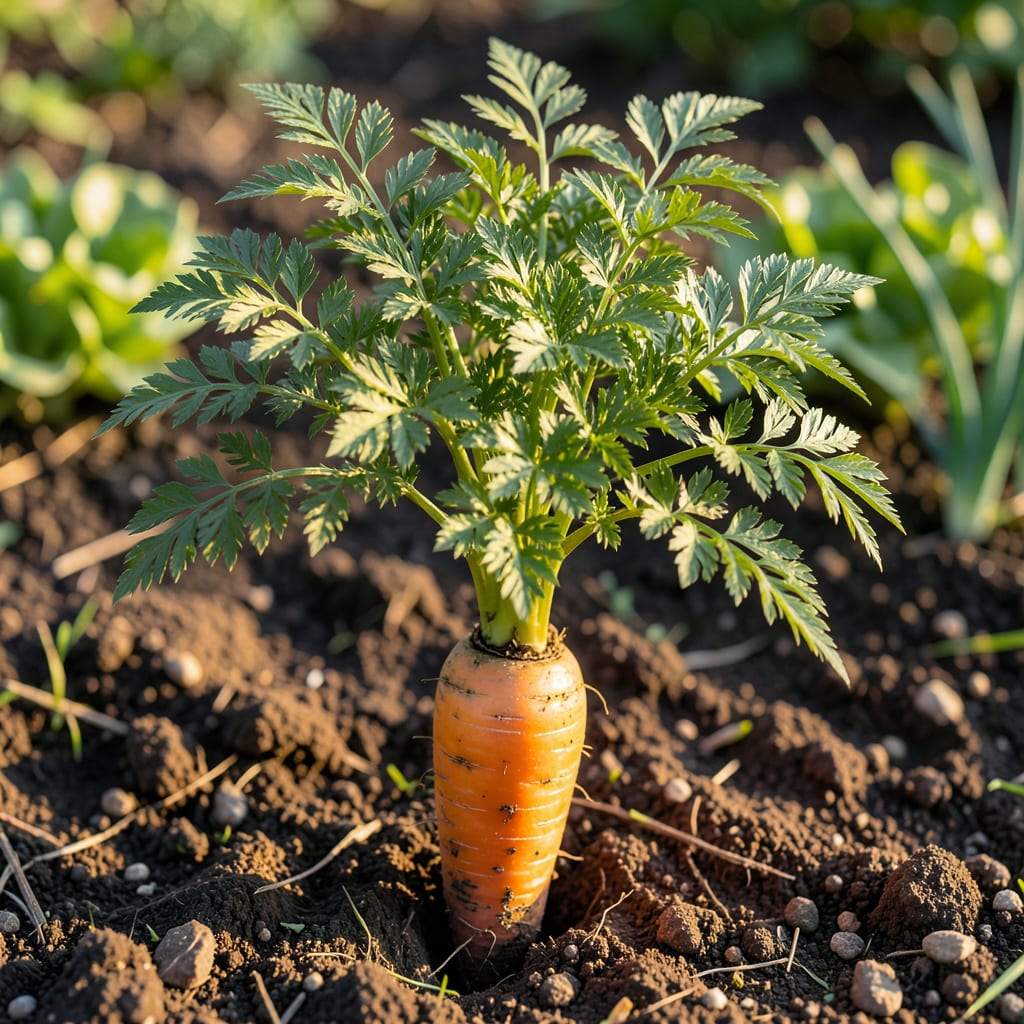
Ever pulled up a carrot that was more stub than sweet crunch? In Georgia, timing isn’t just important—it’s everything. Our unpredictable springs and scorching summers can turn your 🥕 dreams into tough, bitter disappointments if you plant at the wrong moment.
After years of testing (and a few failed harvests), I’ve nailed down the perfect windows for Georgia’s zones. Whether you’re in the mountains or near the coast, I’ll show you exactly when to get those seeds in the ground for juicy, homegrown carrots that’ll make store-bought ones taste like cardboard.
Georgia’s climate gives us two prime windows for planting carrots—spring and fall—but nailing the timing means understanding your region. In North Georgia (Zones 7a-7b), you’ll plant earlier than gardeners in Central or South Georgia (Zones 8a-9a). The key? Soil temperature.
Carrot seeds germinate best when soil hits 50°F–85°F. Too cold, and they’ll rot; too hot, and they’ll bolt. I’ve found that spring plantings thrive when started 2–3 weeks before the last frost, while fall crops need to go in 10–12 weeks before the first frost to mature before winter.
| Region | Spring Planting | Fall Planting | Last Frost Date | First Frost Date |
|---|---|---|---|---|
| North Georgia (Zones 7a-7b) | Mid-Feb to March 15 | Mid-Aug to Sept 1 | April 5–15 | Oct 15–25 |
| Central Georgia (Zone 8a) | Late Feb to April 1 | Late Aug to Sept 15 | March 20–30 | Nov 1–10 |
| South Georgia (Zones 8b-9a) | Early Feb to March 15 | Early Sept to Oct 1 | Feb 15–25 | Nov 15–25 |
Pro Tip: Use a soil thermometer to confirm temps are 50°F+ at 2″ depth before planting.
For spring plantings, I start seeds indoors in biodegradable pots 4 weeks before transplanting. This head start helps avoid Georgia’s late spring heatwaves, which can turn carrots bitter. Outdoors, direct-sow seeds ¼–½ inch deep in loose, sandy soil—never clay.
Fall carrots are my favorite—they’re sweeter after a light frost! Sow seeds in late August (North) or early September (South). Use shade cloth if daytime temps exceed 85°F. Mulch heavily with straw to retain moisture and regulate soil temp.
Succession planting is a game-changer. I sow a new row every 2–3 weeks until mid-April for spring, then again from late August to early October for fall. This staggers harvests and prevents gluts. Just remember: carrots hate transplants, so direct-sowing is a must.
Coastal Georgia gardeners, take note: Your milder winters mean you can push fall plantings into early November with row covers. Inland? Stick to the calendar—frost dates are less forgiving. Always check your local UGA Extension for hyper-local advice.
Soil prep can’t be skipped. Work in 2–3 inches of compost and sand to break up clay. Aim for a pH of 6.0–6.8—Georgia’s native soil is often too acidic. A simple test kit from your extension office takes the guesswork out of amendments.
For variety recommendations, ‘Danvers’ and ‘Nantes’ thrive in Georgia’s heat, while ‘Chantenay’ handles clay better than most. Plant seeds 2–4 inches apart in rows 12–18 inches apart. Thin to 2 inches once seedlings reach 2 inches tall—crowding is the enemy of sweetness!
Finally, mark your calendar for harvest windows: Spring-planted carrots are ready in 60–70 days (June–July), while fall crops mature in 70–80 days (November–December). Pull when roots reach ½–1 inch in diameter for peak flavor. 🌱
Georgia’s clay-heavy soil and rollercoaster temperatures can sabotage even the most careful carrot grower. I’ve seen perfectly good seeds fail to sprout because of three avoidable blunders—each tied to our state’s unique conditions. The good news? Simple fixes can turn disappointment into a bumper crop.
First up: compacted soil. Georgia’s red clay is notorious for stunting carrot growth, leaving you with stubby, forked roots instead of straight, sweet veggies. Even if you loosen the top layer, deeper compaction can halt progress. The solution? Raised beds filled with a sandy loam mix—your carrots will thank you.
Avoid These Carrot Killers in Georgia:
Next is the moisture rollercoaster. Carrot seeds need consistent dampness to germinate—dry spells or droughts will break their delicate sprouting process. I use a soaker hose on a timer to keep the top inch of soil evenly moist until seedlings emerge. Pro tip: Cover beds with straw mulch to lock in moisture.
Finally, don’t underestimate Georgia’s late-summer heat waves. Carrots planted in July often turn bitter or bolt prematurely. For fall crops, aim to sow by mid-August in North Georgia or early September in the south. Use 30% shade cloth if temps stay above 85°F to protect young plants.
One more thing: thinning is non-negotiable. Overcrowded carrots compete for nutrients, leading to puny roots. Thin seedlings to 2 inches apart once they’re 2 inches tall. It feels ruthless, but your harvest will be twice as impressive. Trust me, I learned this the hard way!
If you’ve struggled with carrots before, check your soil’s pH level—Georgia’s native soil often leans acidic. A simple test kit from your local UGA Extension office can save you guesswork. Aim for 6.0–6.8 for the sweetest results. 🌱
Not all carrots thrive in Georgia’s hot, humid summers and clay-heavy soil. After testing dozens of varieties, I’ve found the top performers that resist bolting, tolerate heat, and push through our tough conditions. The secret? Matching the variety to your region’s quirks.
For most of Georgia, ‘Danvers’ and ‘Nantes’ are my go-to choices. ‘Danvers’ handles our heavy soil better than most, while ‘Nantes’ delivers sweet, tender roots even in heat. Coastal gardeners should try ‘Chantenay’—its shorter roots avoid the compacted layers beneath sandy topsoil.
Spacing Tip: Plant seeds ¼ inch deep, 2–4 inches apart in rows 12–18 inches apart. Thin to 2 inches once seedlings reach 2 inches tall.
For succession planting, I stagger sowings every 2–3 weeks from early February to mid-April for spring, then again from late August to early October for fall. This ensures a steady harvest without overwhelming gluts. Remember: carrots despise transplants, so always direct-sow.
Coastal gardeners can push fall plantings into early November with row covers, but inland growers should stick to the calendar. In North Georgia, I stop sowing by September 1 to beat frost. Central and South Georgia get an extra week or two—just monitor soil temps.
Soil prep is non-negotiable. Work in 2–3 inches of compost and sand to break up clay. Aim for a pH of 6.0–6.8—Georgia’s native soil is often too acidic. A simple test kit from your UGA Extension office removes the guesswork. For containers, use a mix of 60% potting soil and 40% sand for drainage.
Summer plantings are risky in Georgia due to extreme heat. Carrots prefer 50°F–85°F soil temps, and summer’s 90°F+ days cause bolting or bitterness. Stick to spring (Feb–Apr) or fall (Aug–Sept) for best results.
Plant seeds ¼–½ inch deep in loose, amended soil. Georgia’s clay can suffocate seeds if planted too deep. Mix in 2–3 inches of compost/sand to improve drainage. Shallow planting ensures faster germination in our warm climate.
Yes! Coastal areas (Zones 8b–9a) can plant 2–3 weeks earlier in spring and later in fall due to milder winters. Inland (Zones 7a–8a) should follow standard dates: March 15 last frost, Nov 15 first frost. Always check local UGA Extension data.
Use 30% shade cloth if temps exceed 85°F after sowing. Mulch with straw to keep soil cool and moist. Water every 2 days in heat waves. Coastal gardeners can plant into early November with row covers.
