
Beautiful Plants For Your Interior
Beautiful Plants For Your Interior
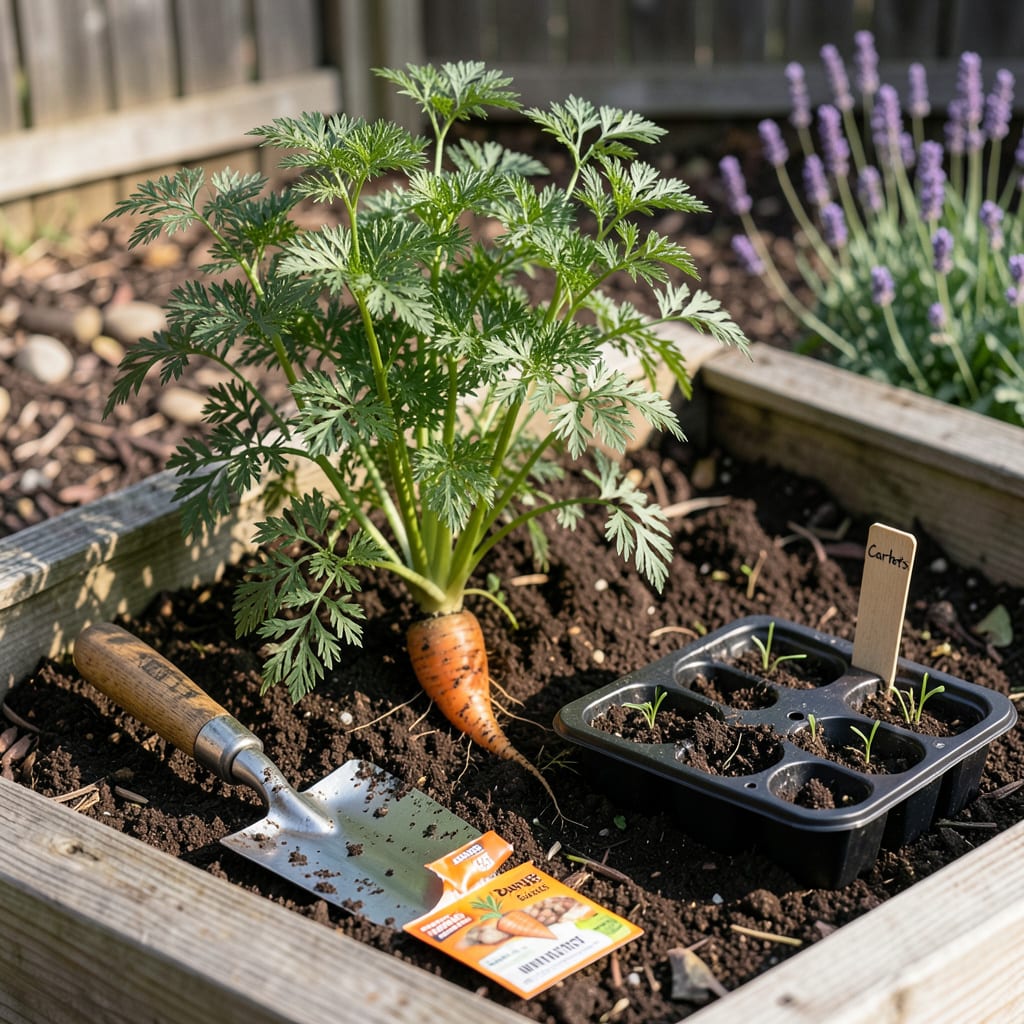
Timing your 🥕 carrot planting in Florida can mean the difference between sweet, crisp roots and a disappointing harvest. Our state’s unique climate—with its mild winters and scorching summers—demands precision that most generic planting guides just don’t address.
After years of testing and tweaking, I’ve nailed down the perfect windows for each Florida region. Whether you’re in the Panhandle or Miami-Dade, I’ll show you exactly when to plant for faster growth and sweeter flavor—without the guesswork.
Florida’s diverse climate means what works in North Florida won’t always succeed in Miami-Dade. I’ve broken down the ideal planting windows by region, accounting for frost risks and heat tolerance to help you schedule perfectly.
Remember, soil temperature matters more than air temperature. Carrots thrive when soil stays between 55°F–75°F. Too hot, and you’ll get bitter, forked roots; too cold, and germination stalls.
| Region | Ideal Planting Months | Last Frost Date | Key Consideration |
|---|---|---|---|
| North Florida | Sept–Feb | March 15 | Watch for late frosts in Jan |
| Central Florida | Oct–Feb | Feb 1 | Humidity peaks in summer |
| South Florida | Nov–Jan | None | Avoid rainy season (June–Oct) |
In North Florida, you can start as early as September, but be ready to cover seedlings if temps dip below 40°F. I use floating row covers for those unexpected cold snaps.
Central Florida gardeners have the longest window—October through February works beautifully. The key here is avoiding our summer monsoons, which can rot seeds before they sprout.
Down in South Florida, your season is shorter but sweeter. Stick to November–January plantings to avoid both the hurricane season and the summer heat that turns carrots woody.
For all regions, succession planting every 3 weeks ensures a steady harvest. I plant my first batch in early October, then another in late November, and a final round in early January.
Pro tip: Coastal areas can often plant a week or two earlier than inland spots thanks to moderating ocean breezes. If you’re near the beach, start your seeds when nighttime temps consistently hit 55°F.
Remember, carrot seeds need consistent moisture to germinate—about 14–21 days. I water gently twice daily until sprouts appear, then cut back to every 2–3 days.
For the sweetest carrots, aim for a 70-day maturity before temperatures climb above 80°F. That’s when Florida’s heat starts converting sugars to starch, making roots less sweet and more fibrous.
If you’re growing in containers, you’ve got more flexibility. Just move pots to shadier spots when temps exceed 85°F, and keep soil consistently moist but never soggy.
Even experienced Florida gardeners can sabotage their carrot harvest with simple oversights. After ruining my first three batches, I learned these hard lessons—so you don’t have to repeat my mistakes.
The biggest issue? Ignoring soil temperature. Florida’s air temps can be deceiving—your soil might still be too hot even when mornings feel cool. Always check with a soil thermometer before planting.
Florida’s sandy soil compacts easily, causing forked carrots. Mix in 30% compost and 10% sand before planting to create loose, crumbly beds.
Our high humidity means carrots need less water than you think. Stick to 1 inch weekly (including rain) to prevent rot. Use a rain gauge to track moisture.
Not all carrots tolerate Florida’s heat. Skip long varieties—opt for ‘Danvers’ (70 days) or ‘Paris Market’ (60 days) that mature before temperatures spike.
Another common mistake is planting too deep. Carrot seeds need light to germinate, so barely cover them with ¼ inch of soil. I use a sifter to create a fine seedbed for better contact.
Don’t forget about pest pressure—Florida’s nematodes love carrot roots. I rotate beds yearly and plant marigolds as a natural deterrent. For containers, use sterilized potting mix to avoid infestations.
Timing your fertilizer application wrong can also backfire. Carrots need low nitrogen—too much creates hairy roots. I use a 5-10-10 blend only at planting, then nothing until harvest.
Finally, watch for bolting when temps exceed 80°F. Once carrots flower, they turn bitter. In South Florida, I plant in partial shade after December to extend the season by 2-3 weeks.
Not all carrots can handle Florida’s intense heat and sandy soil. After testing dozens of varieties, I’ve found the top performers that mature quickly before our summers turn them bitter and woody.
The secret is choosing short-season varieties that reach harvest in 60–75 days. These tolerate our humidity swings and resist bolting when temps climb. Here are my go-to picks for Florida gardens.
For container gardening, I recommend ‘Little Finger’ (55 days). These 3-inch carrots thrive in pots and mature before heat waves hit. They’re perfect for balcony gardens in Miami or Orlando.
If you’re in North Florida, try ‘Bolero’ (75 days). It handles cooler temps better than most and stores well. I plant this variety in late September for December harvests.
For succession planting, pair ‘Nantes’ (early) with ‘Danvers’ (late). This gives you 6 weeks of harvest instead of one big batch. Just sow new seeds every 3 weeks from October to January.
Remember, seed quality matters in Florida’s challenging climate. I always choose fresh, pelleted seeds for better germination in our humid conditions. Store unused seeds in the fridge to maintain viability.
🌱No, Florida’s climate only supports carrot growth during cooler months. Plant from October–February statewide, avoiding summer’s extreme heat. South Florida’s window is shorter (November–January) due to earlier heat arrival.
Use a soil thermometer to check temperatures at 4-inch depth. Ideal range is 55°F–75°F. In Florida, this typically occurs after late October in most regions. Morning readings are most accurate.
‘Paris Market’ matures in just 60 days, perfect for Florida’s short season. Its round shape also handles our sandy soil better than long varieties. For containers, try ‘Little Finger’ (55 days).
Provide 1 inch weekly, including rainfall. Our humidity means less frequent watering than northern gardens. Use a rain gauge and adjust—sandy soil drains quickly, so check moisture at 2-inch depth before watering.
Bitterness comes from heat stress when temps exceed 80°F. Harvest before this threshold, or plant in partial shade after December. Varieties like ‘Danvers’ handle heat better but still need protection from afternoon sun.
